Why Is Heritage Building Restoration In Sydney So Important For Preserving Local Identity?
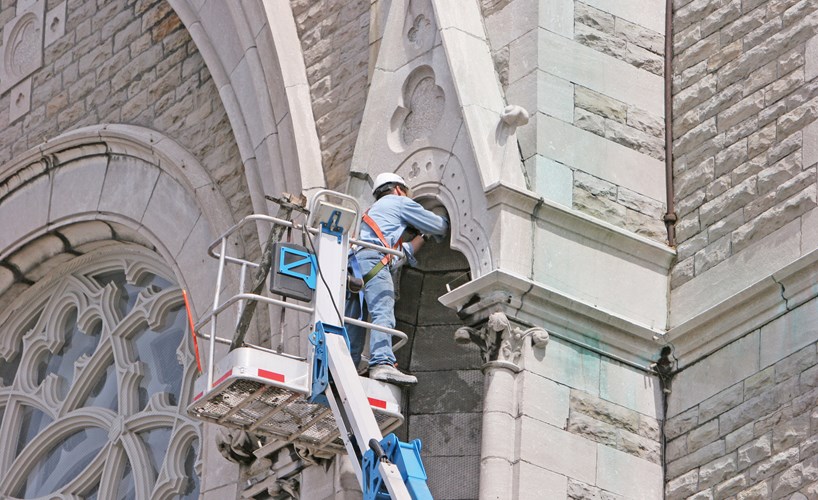
Sydney’s architectural landscape tells a story of time, culture, and craftsmanship. From grand sandstone structures to intricate Victorian terraces, every heritage building stands as a living piece of history. But with age comes wear, environmental damage, and the need for thoughtful restoration. This is where heritage building restoration in Sydney projects plays a crucial role—bridging the past and present to keep these landmarks both beautiful and functional.
What Makes Heritage Buildings Worth Preserving?
Heritage buildings are more than just old structures; they are physical records of craftsmanship, materials, and design philosophies that have shaped Sydney’s identity. Each building reflects a period of innovation and culture, representing the city’s growth from a colonial outpost to a thriving modern hub. Restoring these spaces ensures future generations can experience Sydney’s architectural heritage firsthand rather than just reading about it.
What Challenges Arise in Restoring Historic Buildings?
Restoration is never as simple as repainting or patching cracks. Heritage projects demand deep respect for original materials and techniques. Problems often include structural instability, moisture damage, fading façades, and outdated systems that need modern upgrades. Restorers must balance authenticity with safety and sustainability—retaining the building’s charm while meeting today’s performance standards.
For example, working on an early 19th-century sandstone building might involve using traditional lime mortar instead of modern cement, which can damage the stone. Every step must align with heritage preservation guidelines, ensuring that history is repaired, not rewritten.
How Does Restoration Benefit the Community?
Heritage restoration isn’t just about aesthetics—it strengthens community identity and boosts local pride. Restored buildings bring cultural and economic value to neighbourhoods, drawing visitors, supporting tourism, and fostering appreciation for local history. Restored facades enhance the urban landscape, while adaptive reuse projects breathe new life into old spaces—turning former warehouses into art galleries or historic cottages into boutique cafes.
When old architecture meets modern function, Sydney’s cityscape becomes richer and more vibrant. It’s a testament to how preservation and progress can coexist harmoniously.
What Techniques Are Used in Heritage Building Restoration?
The process often begins with a detailed assessment, documenting every architectural detail and material. Traditional craftsmanship—like stone masonry, timber restoration, and period plastering—is combined with modern tools for accuracy. Advanced cleaning methods, such as low-pressure micro-abrasive systems, help remove dirt and pollutants without harming delicate surfaces.
In some cases, digital technology plays a role too. 3D scanning, structural monitoring, and laser cleaning allow precise, non-invasive restoration. This blend of old and new ensures the result remains faithful to the original while improving longevity.
How Do Environmental Factors Impact Sydney’s Heritage Buildings?
Sydney’s coastal environment can be harsh on historic materials. Salt air corrodes metals, moisture damages masonry, and intense sunlight fades paint and finishes. Regular maintenance and careful material selection are essential. Sustainable restoration practices—like using breathable paints, natural stone sealers, and eco-friendly cleaning agents—help protect buildings without compromising their integrity.
Why Is Skilled Expertise Essential in Heritage Work?
Not every contractor can handle the complexity of heritage projects. Specialists in restoration understand period architecture, local heritage laws, and conservation-grade materials. They work closely with architects, engineers, and heritage councils to ensure every repair aligns with strict heritage standards. Choosing the right experts ensures the building’s legacy is preserved responsibly, maintaining both its beauty and authenticity.
Final Thoughts
Heritage restoration is more than construction—it’s cultural stewardship. Each restored building connects Sydney’s future to its storied past, keeping traditions alive while ensuring safety and usability for decades ahead. With growing awareness of conservation, heritage building restoration in Sydney continues to shape how the city honours its history, proving that preservation isn’t about looking back—it’s about moving forward with respect for what came before.