A Comprehensive Guide To Lymphoedema: Understanding And Managing This Condition In Australia
Lymphoedema can be a frustrating and often misunderstood condition, affecting many Australians. Though it might not always be in the spotlight, understanding lymphoedema is essential for those living with it. This guide to lymphoedema will provide valuable insights into what it is, how it’s managed, and ways to improve the quality of life for those affected.
What Exactly is Lymphoedema?
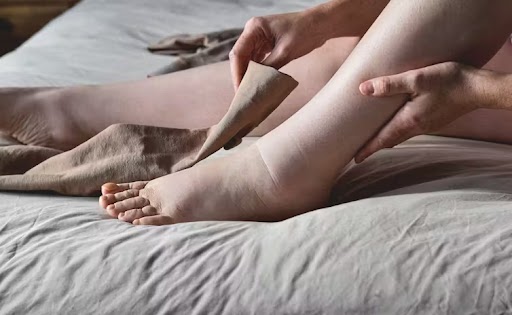
Lymphoedema occurs when the lymphatic system is compromised, leading to a build-up of lymph fluid, which causes swelling, typically in the arms or legs. This condition often arises due to damage or removal of lymph nodes, commonly from cancer treatments. It’s not just a physical burden but can also affect emotional well-being. Understanding the basics of lymphoedema helps in acknowledging its impacts and finding better ways to manage it.
Recognising the Symptoms
Identifying lymphoedema early can make a significant difference in management. Common symptoms include persistent swelling, a feeling of heaviness or tightness, and reduced mobility in the affected limbs. Sometimes, the skin may appear thicker or harder. If these symptoms sound familiar, it might be time to consult a healthcare professional, especially if you’ve recently undergone surgery or cancer treatment.
Managing Lymphoedema: Practical Tips
Managing lymphoedema effectively involves a combination of lifestyle changes and professional treatments. Here are some practical tips to consider:
Stay Active: Gentle exercises, like walking or swimming, can improve lymphatic flow and reduce swelling. It’s crucial to maintain regular activity without overexerting oneself.
Skin Care is Key: Keeping the skin clean and moisturised prevents infections, which can exacerbate lymphoedema. Be cautious with cuts and abrasions, as they can lead to complications.
Compression Garments: Wearing compression sleeves or stockings can help manage swelling. These garments apply pressure to the affected limbs, encouraging lymph fluid movement.
Professional Therapy: Engaging with a certified lymphoedema therapist can be incredibly beneficial. They can provide treatments like manual lymph drainage, a specialised massage technique to promote lymph fluid movement.
Healthy Diet: Maintaining a balanced diet supports overall health. Reducing salt intake can help minimise fluid retention, and staying hydrated is vital.
Emotional and Social Support
Living with lymphoedema can be challenging not just physically, but emotionally. Building a support network is crucial. Whether it’s joining a local support group or connecting with others online, sharing experiences can provide comfort and encouragement. Mental health professionals can also offer strategies to cope with the emotional aspects of living with this condition.
Exploring Treatment Options in Australia
In Australia, there are various resources and treatment options available for those with lymphoedema. Local health services and specialised clinics offer personalised care plans, and many regions have support groups that provide a sense of community. Accessing these resources can significantly enhance your management plan.
FAQs
Is lymphoedema curable?
Lymphoedema is a chronic condition with no cure, but it can be effectively managed with the right strategies and treatments.
Can I travel with lymphoedema?
Yes, but it’s essential to take precautions. Wearing compression garments and staying hydrated during long trips can help manage symptoms.
What should I do if my lymphoedema worsens?
If symptoms worsen, it’s important to contact a healthcare professional promptly. They can adjust your treatment plan to better suit your needs.
Lymphoedema might seem daunting, but with the right knowledge and support, it can be effectively managed. By staying informed and proactive, Australians living with lymphoedema can lead fulfilling lives, embracing the challenges and victories that come their way.