How Does Scrap Copper Recycling Support Sustainability and Economic Efficiency?

As industries and households become more aware of responsible waste practices, many are asking how valuable metals should be managed after use. SCRAP COPPER RECYCLING plays a significant role in reducing environmental impact while delivering strong economic benefits. Copper is one of the most reusable metals available, making its recycling both practical and essential in today’s resource-conscious economy.
What Makes Copper One of the Most Valuable Scrap Metals?
Copper is widely used due to its excellent electrical conductivity, durability and resistance to corrosion. It is commonly found in electrical wiring, plumbing pipes, motors, air conditioning units and electronic components. Because copper retains its quality through repeated recycling processes, recycled copper is just as effective as newly mined material. This high reusability is a key reason scrap copper holds strong market value.
Why Is Scrap Copper Recycling Important for the Environment?
Mining and refining copper from raw ore requires significant energy and causes environmental disruption. Recycling copper uses far less energy and produces lower carbon emissions. SCRAP COPPER RECYCLING helps reduce landfill waste, conserve natural resources and limit the environmental footprint associated with metal production. By reintroducing copper into the manufacturing cycle, reliance on mining is reduced.
How Does Recycling Scrap Copper Provide Financial Benefits?
Many people are surprised by the financial return scrap copper can offer. Trades, construction companies and households can generate income by recycling unused or damaged copper materials instead of discarding them. Electrical offcuts, old piping and decommissioned equipment all carry value. Recycling turns what would otherwise be waste into a practical source of revenue.
What Types of Scrap Copper Are Commonly Recycled?
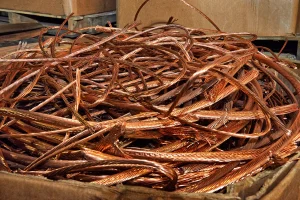
Scrap copper is generally classified into different grades based on purity. Clean copper wire, copper tubing and uncoated copper typically attract higher value due to minimal processing requirements. Lower-grade copper may include insulated wiring or mixed materials. Professional recycling facilities ensure accurate sorting and fair assessment, which is essential for efficient processing.
How Is Scrap Copper Safely Collected and Processed?
Handling scrap copper requires care to avoid injury and ensure environmental compliance. Professional recyclers follow strict safety procedures when collecting, sorting and processing materials. SCRAP COPPER RECYCLING services use approved methods to remove contaminants and prepare copper for reuse, ensuring compliance with Australian environmental standards.
Can Scrap Copper Recycling Support Business Sustainability Goals?
For businesses, recycling copper supports environmental responsibility and compliance requirements. Demonstrating responsible metal disposal enhances corporate reputation and aligns with sustainability targets. Many organisations now integrate scrap copper recycling into their waste management strategies as a long-term operational benefit.
Conclusion
Scrap copper recycling is a highly effective way to protect the environment while unlocking economic value. By reducing resource extraction, lowering emissions and supporting a circular economy, SCRAP COPPER RECYCLING benefits households, businesses and the wider community. With proper handling and professional processing, recycling copper remains a smart and sustainable solution for managing metal waste.