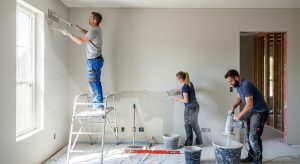
Plasterboard Walls: A Practical Guide for Modern Homes
If you’ve ever knocked on a wall and heard a hollow sound instead of a solid thud, chances are you’re dealing with plasterboard walls. They’re everywhere—homes, offices, apartments—and for good reason. They’re quick to install, cost-effective, and surprisingly versatile.
But are they right for your space? Let’s break it down in a way that actually makes sense (no builder jargon overload).
What Are Plasterboard Walls?
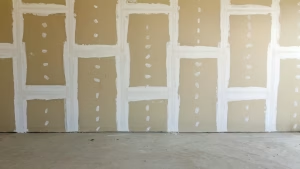
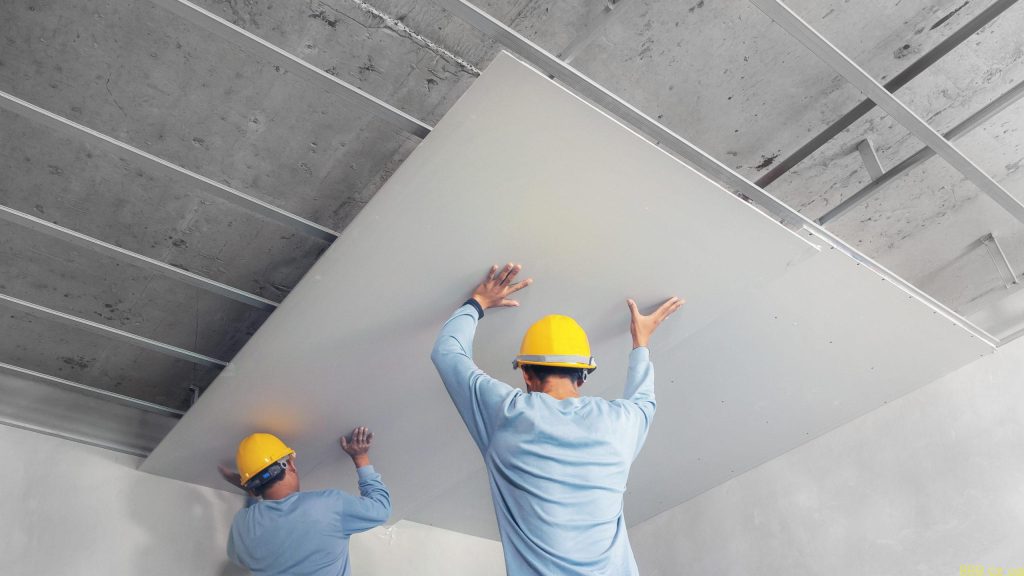
Plasterboard walls, also known as drywall or gypsum board walls, are made from panels of gypsum plaster sandwiched between layers of paper. These boards are fixed to a frame (usually timber or metal studs) to create internal walls and ceilings.
Think of them as the “shortcut” to building smooth, clean walls—without waiting days for traditional plaster to dry.
Why Plasterboard Walls Are So Popular
There’s a reason plasterboard has become the go-to material in modern construction.
1. Quick Installation
Unlike traditional plaster, plasterboard can be installed in hours, not days. Less waiting, less mess.
2. Cost-Effective
It’s generally cheaper in both materials and labour, making it ideal for budget-conscious projects.
3. Smooth Finish
Perfect for painting, wallpapering, or adding decorative finishes without extensive prep work.
4. Lightweight
Easier to transport and handle compared to brick or concrete walls.
5. Versatile
From residential homes to commercial offices, plasterboard fits almost any setting.
Types of Plasterboard Walls
Not all plasterboard is created equal. Depending on your needs, you can choose from:
Standard Plasterboard
Used for general walls and ceilings in dry areas.
Moisture-Resistant Plasterboard
Ideal for bathrooms, kitchens, and laundry areas where humidity is higher.
Fire-Resistant Plasterboard
Designed to slow down the spread of fire—commonly used in garages or between shared walls.
Soundproof Plasterboard
Helps reduce noise transmission, perfect for bedrooms, offices, or media rooms.
Pros and Cons of Plasterboard Walls
Let’s keep it real—nothing is perfect.
Pros
- Affordable and widely available
- Easy to repair (small holes? No big deal)
- Clean and modern finish
- Fast construction time
Cons
- Less durable than brick or concrete
- Can be damaged by heavy impacts
- Requires proper fixing for heavy items like TVs or cabinets
- Not ideal for areas exposed to constant moisture (unless using specialised boards)
Where Are Plasterboard Walls Used?
Pretty much everywhere indoors.
- Living rooms and bedrooms
- Office partitions
- Ceilings
- Renovations and extensions
- Commercial fit-outs
They’re especially popular in modern homes where speed and cost matter.
Can You Hang Things on Plasterboard Walls?
Yes—but don’t just hammer in a nail and hope for the best.
For lightweight items (frames, small décor), standard wall plugs work fine.
For heavier items (TVs, shelves), you’ll need anchors or to fix directly into the wall studs.
Skip this step, and you might end up redecorating… unintentionally.
Maintenance Tips
Keeping plasterboard walls in good shape isn’t complicated:
- Fix cracks early before they spread
- Avoid excessive moisture exposure
- Use proper anchors for heavy items
- Repaint every few years to maintain a fresh look
Small care goes a long way.
Are Plasterboard Walls Right for You
If you’re looking for a cost-effective, quick, and clean wall solution, plasterboard is hard to beat. It’s not the toughest material out there, but for most indoor applications, it does the job really well.
For high-impact areas or external walls, you might want to consider stronger alternatives. But for interiors? Plasterboard is a solid (well… semi-solid) choice.
Final Thought
Plasterboard walls have become a staple in modern construction for a reason—they’re practical, efficient, and adaptable. Whether you’re building from scratch or renovating, understanding how they work can save you time, money, and a few DIY headaches.
And next time you knock on a wall and hear that hollow sound—you’ll know exactly what’s behind it.