A Process Explanation Of How Rainwater Heads Improve Roof Drainage Systems
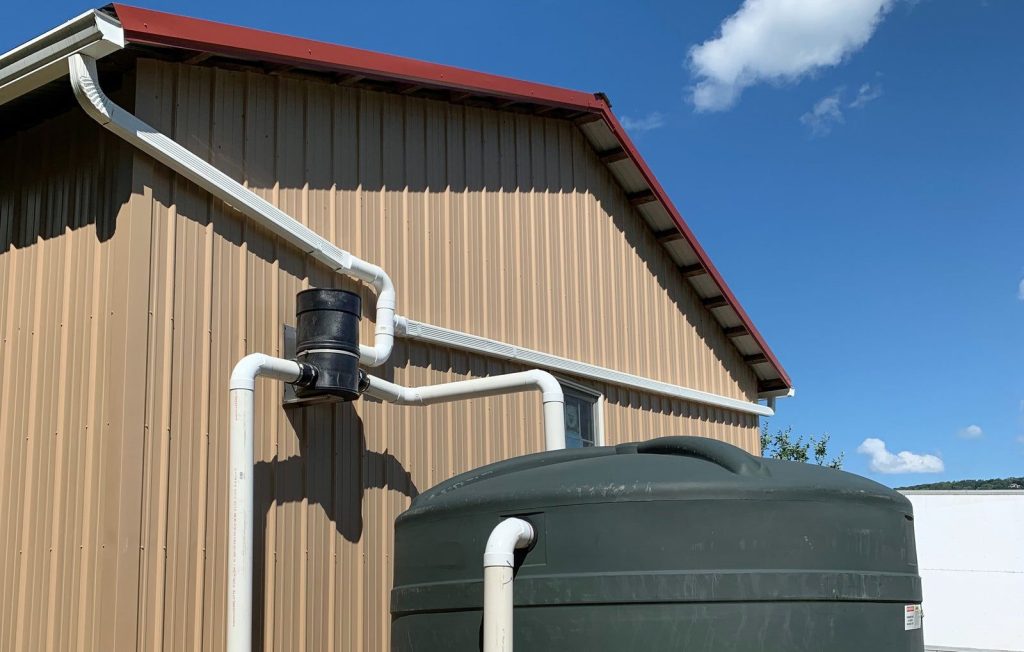
Rainwater heads are important components in roof drainage systems, designed to collect and direct water from gutters into downpipes. They are commonly used on residential, commercial, and industrial buildings to improve water flow and reduce the risk of overflow. Understanding the purpose and function of rainwater heads helps property owners and builders design more effective stormwater systems. When properly sized and installed, these components contribute to better drainage performance and long-term protection of building structures.
Understanding the Purpose of Rainwater Heads
Rainwater heads act as collection boxes positioned between gutters and downpipes. They temporarily hold and channel rainwater while allowing debris and excess water to be managed more effectively.
- Collect runoff from gutters before it enters the downpipe.
- Improve the transition between horizontal and vertical drainage.
- Help accommodate high volumes of stormwater.
- Provide a visible overflow point during heavy rainfall.
- Enhance the appearance of external drainage systems.
How Rainwater Heads Work
Water flows from the roof into the gutter and then into the rainwater head. From there, it is directed into one or more downpipes for discharge to the stormwater system.
- Receives water from one or multiple gutter outlets.
- Temporarily stores water during peak flow.
- Regulates entry into the downpipe.
- Allows excess water to overflow visibly if capacity is exceeded.
- Reduces pressure at gutter outlet points.
Importance of Overflow Visibility
Visible overflow helps indicate when the drainage system is overwhelmed or blocked. This early warning can prompt maintenance before water enters the building.
Common Materials Used in Rainwater Heads
Rainwater heads are manufactured from durable materials selected to withstand weather exposure and corrosion.
- Colour-coated steel for durability and finish consistency.
- Stainless steel for enhanced corrosion resistance.
- Zinc-coated steel for structural strength.
- Copper for specialised architectural applications.
- Aluminium for lightweight installations.
Benefits of Installing Rainwater Heads
These components provide both functional and practical advantages in stormwater management systems.
- Improves drainage efficiency during heavy rain.
- Reduces the likelihood of gutter overflow.
- Helps identify blockages quickly.
- Supports connection to larger downpipes.
- Adds architectural detail to building exteriors.
Applications in Different Building Types
Rainwater heads are suitable for a wide range of structures and roofing configurations.
- Residential homes with large roof areas.
- Commercial buildings with box gutters.
- Industrial warehouses.
- Multi-storey developments.
- Heritage and architectural projects.
Custom Design Options
Rainwater heads can be fabricated in different sizes, shapes, and finishes to suit both hydraulic requirements and design preferences.
Factors Affecting Size and Capacity
The correct size depends on the roof catchment area and local rainfall intensity. Proper hydraulic design ensures reliable performance.
- Total roof area draining to the unit.
- Gutter dimensions and outlet size.
- Downpipe capacity.
- Regional rainfall conditions.
- Overflow requirements.
Installation Considerations
Correct installation is essential for both appearance and function. The component must align accurately with gutters and downpipes.
- Secure fixing to the wall or fascia.
- Proper sealing at all joints.
- Adequate support for the connected downpipe.
- Compliance with local building standards.
- Access for inspection and maintenance.
Maintenance Requirements
Routine maintenance helps ensure continued drainage performance and prevents blockages.
- Remove leaves and debris from gutters.
- Inspect for corrosion or damage.
- Check seals and joints.
- Confirm unobstructed downpipes.
- Monitor overflow during heavy rain.
Conclusion
Rainwater heads play a valuable role in collecting and directing roof runoff while improving the performance of stormwater systems. They provide visible overflow, support high-capacity drainage, and can be customised to suit a variety of building styles. Proper sizing, installation, and maintenance are essential for reliable operation. By incorporating rainwater heads into a drainage design, property owners can enhance both functionality and structural protection.