Basketball Floor Sanding in Eastern Suburbs Preserves the Playing Characteristics Designed Into Timber Courts
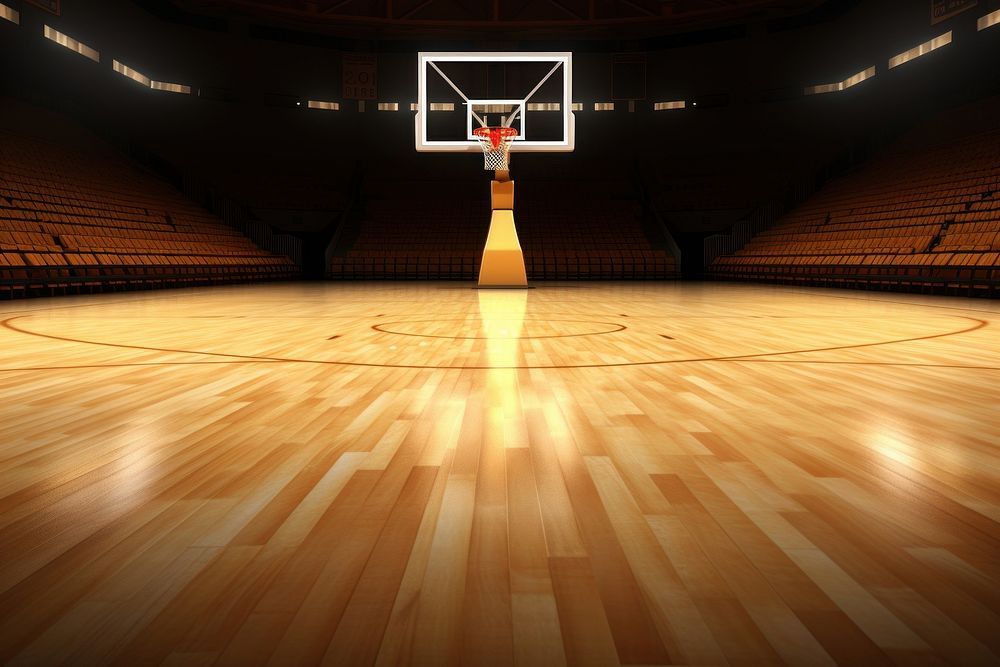
Basketball sports floor arena. AI generated Image by rawpixel.
A basketball court is engineered as a performance surface rather than simply a timber floor. Every pass, pivot, rebound, and change of direction depends on the consistency of the court beneath the players. Over time, repeated sporting activity gradually alters the timber surface through abrasion, finish wear, and microscopic irregularities. Basketball floor sanding in Eastern Suburbs restores these performance characteristics by recalibrating the timber surface before new protective coatings are applied, helping the court continue performing as originally intended.
Player Movement Depends on Surface Uniformity
Basketball involves rapid acceleration, sudden stops, lateral movement, and rotational footwork. Small inconsistencies across the timber surface can influence how these movements feel during play.
- High-use areas around the key experience different wear patterns from the perimeter.
- Repeated pivoting gradually changes the surface texture in popular shooting zones.
- Variations in finish wear can alter the consistency of foot traction across the court.
- Uneven abrasion develops differently depending on training frequency and competition schedules.
- Sanding restores a more uniform playing surface before protective coatings are reapplied.
Surface Consistency Supports Predictable Movement
A court that performs consistently across its entire area allows athletes to rely on familiar footing throughout training and competition.
Ball Response Is Influenced by Timber Surface Condition
Although basketballs interact briefly with the floor, every bounce reflects the condition of the playing surface. Consistency becomes particularly important during structured training and competitive play.
- Worn finishes may affect how energy is transferred during repeated ball contact.
- Uniform surface preparation supports consistent rebound behaviour across the court.
- Localised wear near frequently used practice areas is assessed separately.
- Surface irregularities become more noticeable during repetitive skill drills.
- Even finishing helps maintain predictable ball interaction throughout the playing area.
Court Behaviour Extends Beyond Visual Appearance
The quality of a basketball court is measured not only by how it looks but also by how reliably it performs during continuous play.
Line Markings Require Precision Throughout the Restoration Process
Court markings are fundamental to the function of a basketball floor. Sanding projects must consider how these markings integrate with the restored timber surface.
- Existing markings are documented before restoration begins.
- Surface preparation creates an even foundation for accurately reinstating court lines.
- Edge definition contributes to clear visual reference during play.
- Alignment is maintained to preserve the original court layout.
- Protective coatings seal both the timber and the completed markings into a unified surface.
Playing Accuracy Relies on Dimensional Consistency
Every line contributes to gameplay, making precision equally important during restoration as it is during the court’s original construction.
Timber Behaviour Influences Sporting Performance Over Time
Timber remains a natural material that continues responding to environmental conditions throughout its lifespan. Understanding these characteristics forms an important part of long-term sports floor maintenance.
- Seasonal moisture variation influences board movement.
- Expansion and contraction are monitored before surface restoration begins.
- Board stability is assessed across high-impact sporting zones.
- Existing movement patterns help determine preparation requirements.
- Environmental conditions are considered alongside the court’s usage schedule.
Restoration Works With Natural Material Properties
Sanding respects the ongoing behaviour of timber while preparing the surface for continued athletic use.
Maintenance Planning Protects Court Performance Between Restorations
Basketball courts experience thousands of player movements every week, making long-term maintenance planning essential for preserving performance.
- Regular inspections identify early signs of finish deterioration.
- Usage intensity helps determine appropriate restoration intervals.
- Surface cleaning practices influence the longevity of protective coatings.
- Wear patterns provide valuable information for future maintenance scheduling.
- Historical maintenance records assist with long-term facility management.
A basketball floor sanding in Eastern Suburbs project focuses on restoring the functional qualities that influence how the court performs during every game and training session. By renewing surface consistency, supporting predictable player movement, maintaining reliable ball response, preserving court geometry, and respecting the natural behaviour of timber, the restoration process helps ensure the playing surface continues to meet the demands of competitive and recreational basketball alike.