
Sofa Bed in Dulwich Hill: Balancing Seating, Sleeping and Space
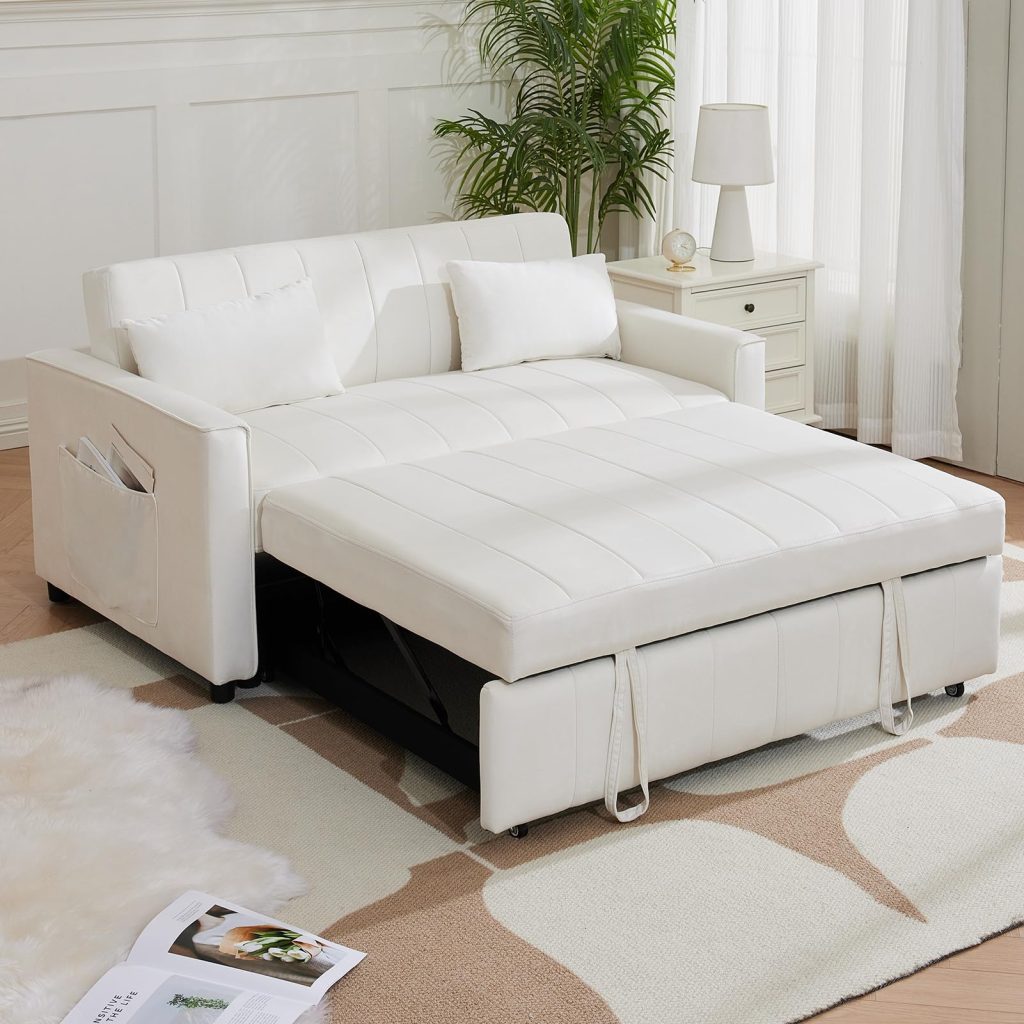
Furniture has to work harder in rooms where space is limited. A sofa that can become a bed provides two functions within one piece, making it useful for guest rooms, apartments, studios and living areas that need to serve multiple purposes. When choosing a sofa bed in Dulwich Hill, the decision is less about simply finding a convertible design and more about considering how often it will be used, how much room it needs and how comfortably it performs in both forms.
Start with the room’s everyday purpose
A sofa bed can be used in many ways, but its suitability depends on the role it will play. A living room that occasionally accommodates overnight guests has different requirements from a room where the sofa bed is used for sleeping regularly.
Consider the primary function first:
- Occasional guest accommodation
- A combined living and sleeping area
- A compact spare room
- A teenager’s room or flexible study space
- Temporary sleeping arrangements
If the furniture will remain in sofa mode most of the time, its seating comfort and appearance may carry greater importance. Frequent conversion places more emphasis on the opening mechanism, mattress support and ease of use.
Check the footprint in both configurations
One of the easiest mistakes is measuring only the sofa’s closed dimensions. Once opened, the bed can extend significantly into the room, reducing the available walking space.
Measure the area required for:
- The sofa in its normal position
- The fully opened sleeping surface
- Clear access around the bed
- Nearby doors and wardrobes
- Side tables or other furniture that may remain in place
It can be useful to physically mark the extended footprint on the floor. This gives a clearer indication of whether the bed can be opened without moving half the room.
Look closely at the conversion mechanism
The mechanism is central to the practicality of a sofa bed. A design that is difficult to unfold can become frustrating when it needs to be used regularly.
Different designs may use pull-out sections, folding backs, lift-and-fold systems or other mechanisms. The best option depends on who will be converting it and how frequently this will happen.
A useful design should allow:
- Straightforward conversion
- Secure positioning when opened
- Easy return to sofa configuration
- Sufficient clearance during operation
- Minimal need to move surrounding furniture
Trying the mechanism before choosing a model can reveal practical issues that may not be obvious from photographs or product descriptions.
Give sleeping comfort proper attention
A sofa bed needs to function as a sleeping surface, not merely look like one. The construction of the mattress or integrated sleeping platform can affect how comfortable it feels during overnight use.
Consider the thickness and type of sleeping surface, along with the supporting structure beneath it. The transition between sofa and bed components should not create uncomfortable pressure points.
For occasional guests, comfort still matters, particularly if visitors will be sleeping for several nights. If the furniture is intended for regular sleeping, the sleeping surface should receive as much consideration as the sofa cushions.
Consider upholstery and daily wear
A sofa bed may experience more movement and handling than an ordinary sofa because its components are regularly converted. Upholstery should therefore suit the way the furniture will be used.
Think about:
- How frequently the sofa will be occupied
- Whether children or pets will use it
- How easy the fabric is to maintain
- Whether cushions can be removed or adjusted
- How the material fits with the room’s existing décor
Neutral and adaptable finishes can make it easier for the piece to remain suitable if the room’s style changes later.
Make delivery and placement part of the decision
Large furniture can be difficult to manoeuvre through narrow entrances, stairways and apartment corridors. This is particularly relevant when the final room is not located directly beside an accessible entrance.
Before selecting a sofa bed, consider the route from the entrance to its intended position. Door widths, staircases, lifts and tight corners can all affect whether the furniture can be brought inside without difficulty.
The assembled dimensions and packaged dimensions may also differ, so both are worth checking where access is restricted.
Think about long-term versatility
One of the main advantages of a convertible piece is its ability to adapt as household needs change. A sofa bed can serve as everyday seating now and provide guest accommodation later, or help a smaller property avoid dedicating an entire room to occasional use.
The most useful choice is therefore one that fits current space requirements without becoming unnecessarily specialised. A practical balance between seating, sleeping capacity, appearance and ease of conversion can make the furniture useful for years rather than only for a particular stage of life.
Conclusion
A convertible sofa can make a room considerably more flexible when its dimensions and functions are carefully considered. Sofa bed in Dulwich Hill options should be assessed for their closed and extended footprint, conversion mechanism, sleeping comfort, upholstery and practical access into the home. Choosing with both everyday seating and overnight use in mind can result in furniture that makes better use of available space without compromising either purpose.







