
Premium vs Regular Engine Oil: Does Your Everyday Bike Really Need It?
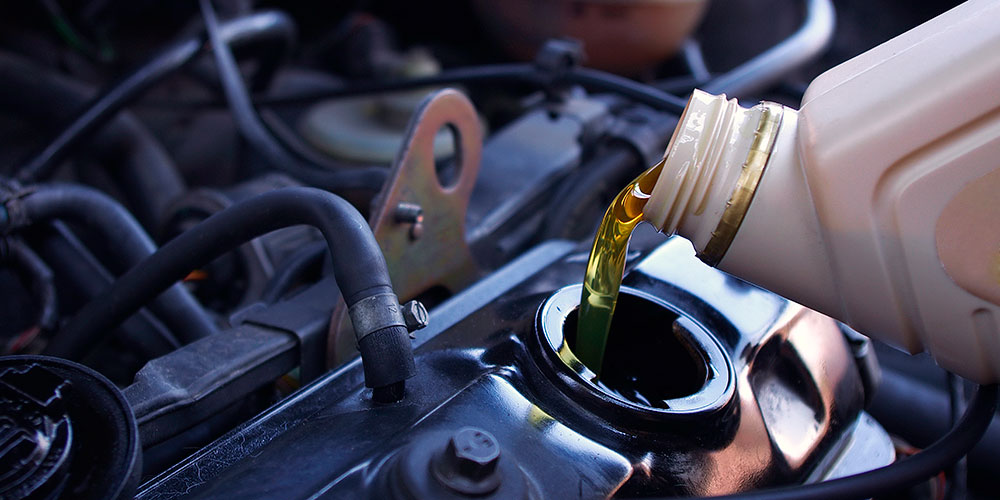
For many everyday riders, engine oil is simply another item on the bike service checklist. However, choosing between regular and premium oil can influence how smoothly the engine operates, especially when the motorcycle is used regularly in traffic, during long commutes, or under demanding riding conditions. Understanding the differences can help riders choose an oil that suits their motorcycle without spending unnecessarily.
When comparing two wheeler engine oil, the most important consideration is not whether the product is expensive, but whether it meets the specifications recommended by the motorcycle manufacturer. Regular and premium oils can both provide effective lubrication when they are suitable for the engine, but they differ in formulation, performance characteristics, and price.
What Is Regular Engine Oil?
Regular engine oil generally refers to conventional or standard lubricants designed to provide essential engine protection at an affordable price. It reduces friction between moving components, helps manage engine heat, and supports normal engine operation.
For everyday commuter motorcycles that are used for short or moderate-distance journeys, regular oil may be sufficient when it meets the manufacturer’s required viscosity and performance standards.
What Makes Premium Engine Oil Different?
Premium oils often use more advanced formulations and may contain synthetic base oils and specialised additive packages. These formulations can offer benefits such as improved resistance to high temperatures, better oxidation stability, and consistent lubrication across different operating conditions.
However, premium oil does not automatically mean it is the right choice for every motorcycle. The engine’s requirements should always come first.
Regular vs Premium: Key Differences
The main differences can be understood through a few factors:
- Price: Premium oils generally cost more than conventional options.
- Heat resistance: Synthetic formulations can provide stronger performance under high-temperature conditions.
- Engine cleanliness: Some premium formulations include additive technologies designed to help control deposits.
- Performance consistency: Premium oils may maintain their properties more effectively across demanding operating conditions.
- Application: High-performance motorcycles or bikes frequently used for long-distance riding may benefit more from premium formulations.
Does an Everyday Bike Need Premium Oil?
Not necessarily. If your motorcycle is primarily used for commuting and the manufacturer’s recommended regular oil meets the required specifications, upgrading to a premium lubricant may not provide a noticeable benefit proportional to the additional cost.
On the other hand, riders who regularly travel long distances, encounter heavy traffic, ride in very hot conditions, or use higher-performance motorcycles may find premium oil worthwhile.
The key is to avoid choosing oil based solely on marketing claims. Check the owner’s manual for the recommended viscosity grade, performance classification, and other specifications before making a purchase.
When Is Premium Oil Worth Considering?
Premium oil may make sense when:
- The manufacturer specifically recommends or permits synthetic oil.
- The motorcycle frequently operates under high loads or temperatures.
- You regularly undertake long-distance rides.
- You want additional performance consistency between oil changes.
- The additional cost fits comfortably within your maintenance budget.
The Bottom Line
For most everyday bikes, the best engine oil is the one that matches the manufacturer’s specifications and is replaced at the recommended intervals. Premium oil can offer additional performance advantages, but it is not essential simply because it costs more.
When selecting two wheeler engine oil, consider your bike’s requirements, riding conditions, maintenance schedule, and budget together. Proper oil selection and timely replacement matter far more than choosing the most expensive product on the shelf.







