
Create A More Comfortable Home With Double Glazed Doors And Windows
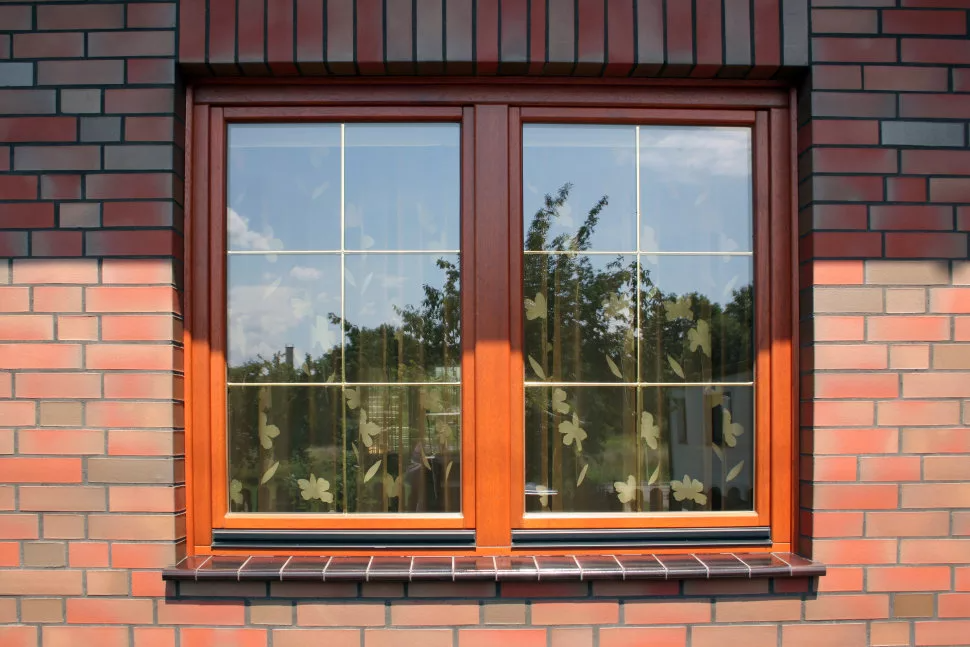
The windows and doors around your home influence more than natural light and accessibility. They can also affect indoor temperature, outside noise and overall energy performance. Double glazed doors and windows use two panes of glass separated by a sealed insulating gap, creating an additional barrier between your indoor environment and outdoor conditions.
Improve Thermal Comfort Throughout The Year
Single glazing provides limited insulation, allowing heat to move more easily between the inside and outside of a property. Double glazing adds an insulating space between two glass panes, helping reduce heat transfer.
According to the Australian Government’s energy guidance, double glazed windows can reduce heat loss by up to 30%. This can contribute to more consistent indoor temperatures and reduce reliance on heating and cooling systems.
Help Manage Energy Use
Heating and cooling can represent a significant portion of household energy consumption in Australia. Improving the thermal performance of windows and doors can help reduce the amount of energy required to maintain comfortable indoor conditions.
Double glazing is one option homeowners can consider when upgrading their property’s energy efficiency. The suitability and potential savings depend on factors such as climate, building design, orientation, glazing specifications and existing insulation.
Combine Practical Performance With Modern Design
Energy efficiency does not mean compromising on appearance. Double glazed doors and windows are available in different configurations, frame materials, opening styles and glass options.
Large glazed areas can help bring natural light into living spaces, while appropriately designed doors can provide convenient access to outdoor areas. Choosing a style that complements the property’s architecture can also contribute to a cohesive appearance.
Consider The Frames As Well As The Glass
The glass is only one part of a window or door system. Frame materials can also influence thermal performance. Australian Government guidance identifies timber, uPVC, aluminium and thermally broken aluminium among the common frame options.
When comparing products, look beyond the number of glass panes. Consider the frame construction, seals, glazing specifications and overall system performance to understand how the complete installation will perform.
Think About Your Home’s Specific Conditions
Every property has different requirements. Climate, window orientation, exposure to sunlight, existing insulation and ventilation can all influence the most suitable glazing solution.
External shading can also play an important role. Government guidance recommends considering shading for windows and glass doors as part of an overall approach to managing heat gain and energy consumption.
Choose Glazing With Long Term Performance In Mind
Replacing windows and doors is an important home improvement decision, so product quality and professional installation deserve careful consideration. Look at the glazing specification, frame material, seals, energy performance information and installation requirements before making a decision.
A qualified window professional can also help assess the property’s needs and identify an appropriate configuration.
Conclusion
Upgrading your home’s glazing can improve comfort while supporting better thermal performance. Double glazed doors and windows provide two panes of glass with an insulating gap, helping reduce heat transfer between indoor and outdoor spaces.
By considering glass specifications, frame construction, orientation, shading and installation quality, homeowners can choose a glazing solution that suits their property and long term comfort goals.







