How Can Insulated Roofing Suppliers Help With Better Roof Performance?
Choosing suitable roofing materials can make a major difference to the comfort, durability, and energy efficiency of a building. Insulated roofing is increasingly considered for homes, commercial properties, warehouses, workshops, and other structures where temperature control matters. Understanding the available materials and selecting suitable products can help property owners make practical roofing decisions.
What Is Insulated Roofing?
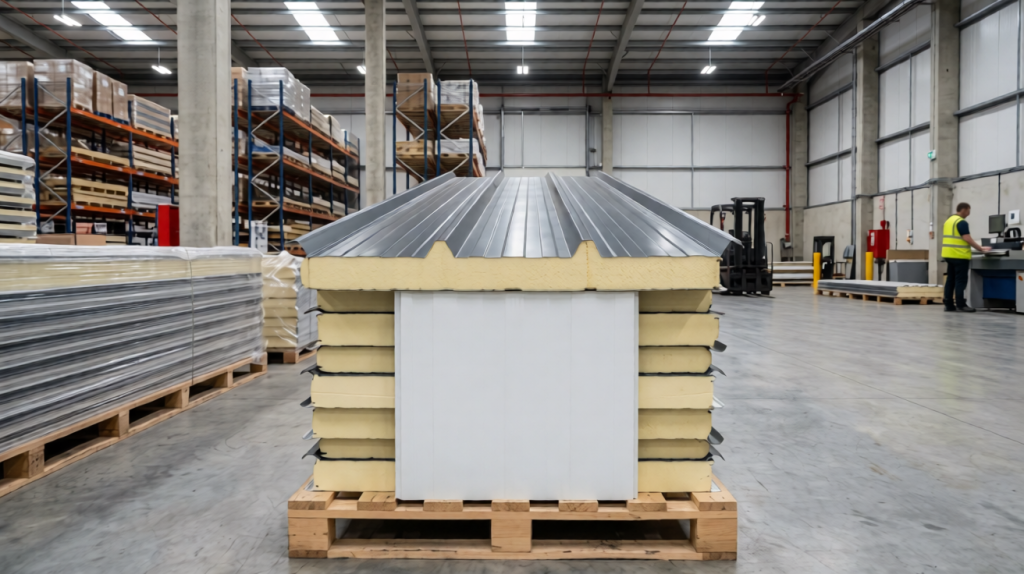
Insulated roofing combines roofing materials with an insulation layer designed to reduce heat transfer through the roof. Depending on the product, insulation may be built into a roofing panel or installed as part of a complete roofing system.
The insulation layer can help maintain more stable indoor temperatures by reducing the impact of external heat and cold. This can make indoor areas more comfortable throughout different seasons while also supporting more efficient energy use.
Why Is Roof Insulation Important?
A roof is directly exposed to sunlight, rain, wind, and changing temperatures. Without suitable insulation, heat can transfer into a building during warmer periods and escape during colder conditions.
A well-designed insulated roof can provide several benefits, including:
- Improved indoor temperature control
- Reduced heat transfer
- Better overall building comfort
- Support for energy-efficient building designs
- Reduced outside noise in some applications
- Additional protection for roofing structures
The actual performance depends on the insulation type, thickness, roof design, installation method, and surrounding building conditions.
How Can You Choose Suitable Roofing Materials?
When comparing roofing products, property owners should consider more than appearance and initial cost. The intended use of the building, local weather conditions, roof pitch, insulation requirements, maintenance needs, and expected lifespan can all influence the right choice.
Working with experienced insulated roofing suppliers can make it easier to understand product specifications and compare different options. Suppliers may provide information about panel construction, insulation properties, dimensions, finishes, and installation requirements.
What Types of Buildings Can Use Insulated Roofing?
Insulated roofing can be suitable for many different applications. Residential properties may use insulated roof panels to improve indoor comfort, while commercial buildings can benefit from materials designed for larger roof areas.
Common applications include:
- Homes and extensions
- Garages and workshops
- Warehouses
- Industrial buildings
- Retail properties
- Offices
- Agricultural structures
The most suitable product will depend on the building design and its specific performance requirements.
What Should You Check Before Buying?
Before purchasing roofing materials, check the product specifications carefully. Look at insulation performance, panel thickness, dimensions, weather resistance, finish, installation requirements, and compatibility with the existing roof structure.
It is also useful to ask about delivery, storage, maintenance, and available accessories. Having accurate measurements and understanding the project’s requirements can help reduce material waste and avoid purchasing unsuitable products.
How Does Quality Affect Roof Performance?
The quality of roofing materials can influence durability and long-term performance. Properly selected products can provide reliable protection from weather conditions while supporting the insulation performance of the overall roof system.
Professional installation is equally important. Even high-quality materials may not perform as expected if they are incorrectly fitted, poorly sealed, or used with incompatible components.
Conclusion
Insulated roofing can be a practical option for improving comfort, temperature control, and overall roof performance. By understanding insulation types, checking product specifications, and selecting materials suited to the building, property owners can make more informed decisions. Comparing products from reputable suppliers and considering installation requirements can also help create a durable and efficient roofing solution.