Window Replacement: Improving Comfort, Efficiency and Property Appeal
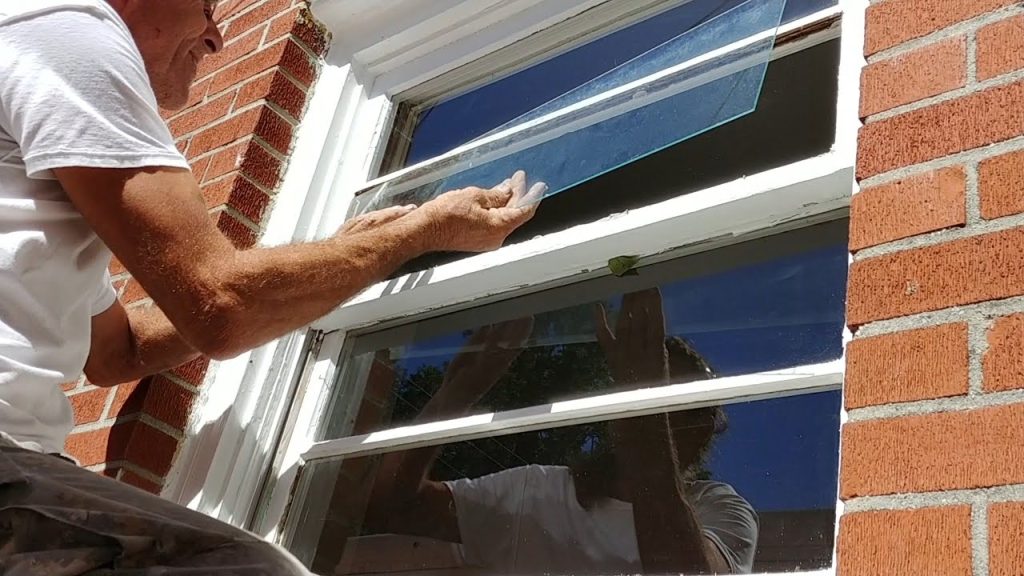
Windows influence the appearance, natural lighting, ventilation and comfort of a property. Over time, however, window frames, seals, hardware and glass can deteriorate, affecting their performance and ease of use. Window Replacement can be a practical option when existing windows no longer meet a building’s functional or design requirements. Understanding the available choices and important considerations can help property owners make informed decisions.
When Should Existing Windows Be Replaced?
Windows may remain functional for many years, but regular exposure to sunlight, moisture and changing temperatures can gradually affect their condition. Recognising the warning signs can help property owners decide whether repairs are sufficient or replacement is worth considering.
Common signs include:
- Difficult operation: Windows that stick, jam or no longer open and close smoothly.
- Damaged frames: Rotting timber, corrosion or visible deterioration that affects structural integrity.
- Failed seals: Condensation between double-glazed panes may indicate that the sealed glass unit has failed.
- Air leakage: Draughts around closed windows can affect indoor comfort.
- Visible damage: Cracked glass or damaged locking mechanisms may require prompt attention.
An inspection can help determine the extent of the problem and identify a suitable solution.
What Are the Benefits of New Windows?
Improved Thermal Performance
Modern window systems can incorporate improved frame designs, weather seals and glazing options. Depending on the selected specification and installation quality, these features may help reduce unwanted heat transfer and maintain more consistent indoor temperatures.
Double glazing, for example, uses two panes of glass separated by a sealed space. Its performance depends on the glass configuration, frame system and overall installation.
Better Noise Reduction
External noise can affect comfort, particularly in properties near busy roads or other noisy environments. Suitable glazing and well-sealed frames may help reduce sound transmission, although the level of improvement depends on the complete window assembly and the type of noise involved.
Updated Appearance
New windows can refresh the appearance of a property and complement its architectural style. Frame colours, finishes, sizes and opening configurations can be selected to suit both contemporary and traditional designs.
Which Window Materials Are Available?
Choosing the right material is an important part of the replacement process.
Aluminium Windows
Aluminium frames are valued for their strength, durability and relatively slim profiles. They can accommodate a range of window styles and are commonly used in contemporary residential and commercial buildings.
Timber Windows
Timber frames offer a natural appearance that can complement traditional properties. However, they may require regular maintenance to protect against moisture and weather-related deterioration.
uPVC Windows
uPVC frames are another option for residential applications. They generally require relatively little routine maintenance, although product quality, frame construction and local environmental conditions should be considered.
What Should Property Owners Consider Before Replacement?
A successful project begins with assessing the existing windows and identifying the main reasons for replacement.
Important considerations include:
- Accurate measurements: Correct sizing supports a suitable fit and proper operation.
- Glazing selection: Glass specifications should suit the property’s thermal, acoustic and safety requirements.
- Frame design: The selected style should complement the building and provide the required functionality.
- Weather sealing: Appropriate seals and installation details help limit unwanted air and water entry.
- Building requirements: Applicable safety standards, energy requirements and approval conditions should be checked.
- Installation quality: Correct fitting, sealing and finishing are essential for long-term performance.
The condition of the surrounding wall openings should also be assessed before new windows are installed.
Repair or Replace: How Can the Decision Be Made?
Not every window problem requires a complete replacement. Minor hardware faults, worn seals or small operational issues may be repairable. However, extensive frame deterioration, damaged glazing units or repeated performance problems may justify replacing the affected window.
Comparing the condition of the existing system with the expected performance of a new installation can help clarify the most suitable approach.
Conclusion
Windows play an important role in maintaining a property’s comfort, appearance and functionality. When existing units become damaged, difficult to operate or inefficient, Window Replacement can provide an opportunity to address these issues and update the building’s design.
By considering frame materials, glazing, energy performance, weather resistance and installation quality, property owners can select window systems that suit their needs and support reliable everyday use.