Three Situations Where a Bug Sweep Is Worth Considering
Hidden listening devices sound like something from a spy film, yet they are small, inexpensive and easy to buy. Most people never need to think about them, but certain situations justify a professional inspection. Here are three where asking an expert to check the space is a sensible, low-key precaution. A calm, professional check is the right first step, and it keeps everyone focused on facts rather than fear.
The Confidential Boardroom
Before a merger discussion, tender review or sensitive negotiation, the people in the room share information that competitors would value highly. A sweep of the boardroom and adjoining offices gives decision-makers confidence that the conversation stays within the walls. Sweeps are most useful when carried out shortly before the meeting, so the environment stays controlled until the conversation begins. Rooms with shared walls or glass partitions deserve extra attention.
The Staff Departure
When a trusted employee leaves on poor terms, owners sometimes worry about what was left behind. A technician can inspect desks, power points, fittings and equipment for anything that should not be there. The result is either reassurance or evidence, and both are valuable. Documenting what is found, even when nothing is, builds a useful record. Check shared chargers and extension leads too.
The Private Home Office
Professionals who work from home, including lawyers, accountants and consultants, handle confidential material in a space that was never designed for security. A discreet check of the room, devices and furniture helps protect client information and personal privacy alike. Visitors, tradespeople and cleaners all have access to some home offices, which is another reason to check.
What a Sweep Involves
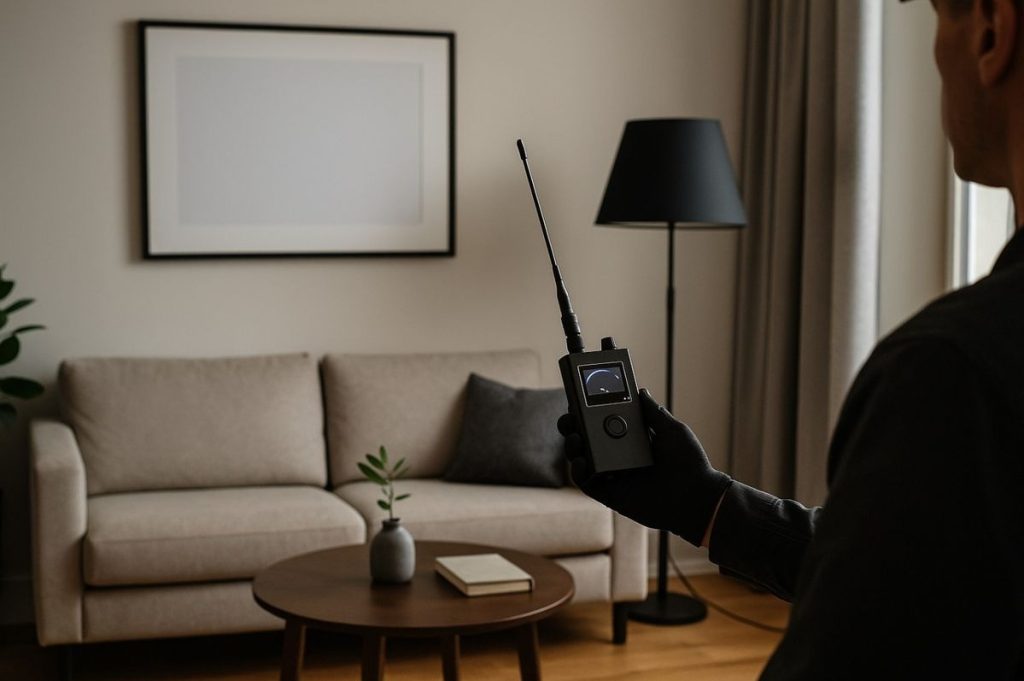
A technical surveillance countermeasures inspection combines physical searching with specialised detection equipment. A TSCM bug sweep covers walls, fittings, power sockets, furniture and electronics, and it can be arranged quietly so staff or family members are not alarmed. A written summary explains what was checked and found. Inspections usually take a few hours, depending on the size of the space and the number of rooms covered.
Choosing a Specialist
Experience and discretion matter more than anything else. Ask how the inspection is carried out, what is reported and how your information is kept confidential. Avoid cheap gadgets that promise instant detection, because proper countermeasures rely on training and professional equipment. References from similar clients can also help you judge professionalism. Insist on a written summary after the inspection.
Acting Early
If something feels wrong, trust the feeling and arrange an inspection before sensitive conversations take place. Early action costs little compared with the damage a leaked plan or private discussion can cause. Schedule regular checks if your work involves ongoing sensitive discussions, and stay discreet while you wait for the appointment.