Why Composite Timber Decking Is a Practical Choice for Modern Outdoor Spaces
Why Composite Timber Decking Is a Practical Choice for Modern Outdoor Spaces
Creating an attractive outdoor area involves choosing materials that balance appearance, durability and everyday practicality. Homeowners are increasingly exploring alternative decking materials that offer a timber-inspired finish without requiring the same level of ongoing care as traditional wood. Composite timber has become an appealing option for patios, balconies, entertainment areas and residential gardens. When considering composite timber decking, it is important to understand its construction, benefits, limitations and maintenance requirements to determine whether it is suitable for your outdoor project.
What Is Composite Timber Decking?
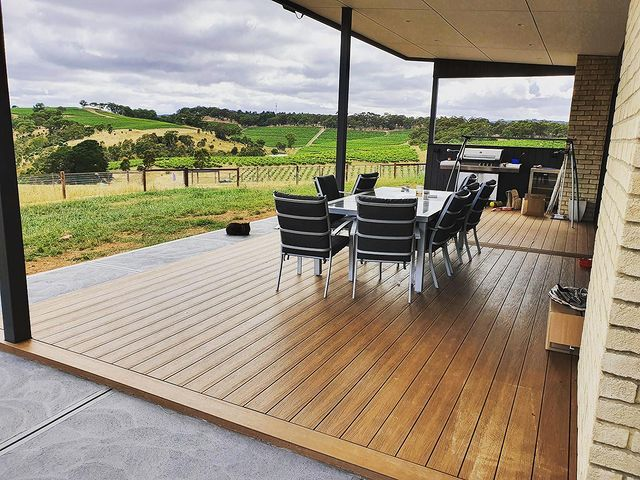
Composite timber decking is manufactured using a combination of wood fibres and recycled plastic materials. These components are processed to create decking boards designed to provide the appearance of natural timber with additional resistance to certain environmental conditions.
Unlike conventional timber, composite boards do not require regular staining or oiling. Their manufactured composition also helps reduce problems associated with splintering, rotting and insect damage.
Available in different colours, textures and finishes, composite decking can complement a variety of outdoor designs.
Benefits of Choosing Composite Materials
One of the main advantages of composite decking is its relatively low maintenance requirements. Traditional timber often needs periodic sanding, sealing or protective treatments to maintain its condition.
Composite boards generally require routine cleaning to remove dirt, leaves and surface debris. This can make them a convenient option for homeowners who prefer spending more time enjoying their outdoor areas rather than maintaining them.
Other potential advantages include:
- Moisture resistance: Quality composite boards are designed to resist moisture absorption.
- Consistent appearance: Manufactured finishes provide greater uniformity in colour and texture.
- Reduced splintering: Composite surfaces generally avoid the splintering associated with ageing natural timber.
- Design flexibility: Various colours and finishes allow homeowners to create different outdoor styles.
- Long-term practicality: Reduced maintenance can make composite decking appealing over its expected service life.
Understanding Durability and Weather Resistance
Outdoor decking is regularly exposed to sunlight, rainfall, temperature changes and everyday foot traffic. Selecting materials that can handle these conditions is essential.
Composite decking is designed for outdoor applications, but its performance depends on the quality of the product and installation. Some boards can experience surface fading or heat retention when exposed to prolonged sunlight.
Homeowners should compare product specifications, warranties and recommended installation conditions before making a purchase.
In Australian climates, it is particularly important to consider direct sun exposure and ventilation beneath the decking structure.
Composite Timber Versus Natural Timber
Both materials offer advantages, but their suitability depends on individual requirements.
Natural timber provides authentic grain patterns and a traditional appearance. However, it generally requires more frequent maintenance to protect it against weathering and moisture.
Composite timber offers a more consistent finish and usually requires less ongoing treatment. On the other hand, its initial purchase price may be higher than some natural timber alternatives.
The best choice depends on your preferred appearance, available budget, maintenance expectations and intended use of the outdoor space.
Planning a Composite Decking Project
Before installation, consider the dimensions, layout and purpose of your proposed deck. An entertainment area may require additional space for furniture, while a narrow balcony may benefit from a simpler board arrangement.
The supporting framework is equally important. Proper joist spacing, drainage, ventilation and expansion allowances help maintain the stability and performance of composite decking.
It is also advisable to check relevant Australian building requirements and obtain professional guidance where necessary.
Maintaining Composite Decking
Although composite decking is considered low maintenance, it still needs regular attention.
Sweep the surface to remove leaves and loose debris, and wash it using cleaning methods recommended by the manufacturer. Avoid harsh chemicals or abrasive equipment that could damage the finish.
Periodically inspect the boards, fasteners and supporting framework for signs of movement or damage.
Good maintenance practices can help preserve the appearance and usability of the deck over time.
Is Composite Timber Right for Your Property?
Composite decking can be a suitable solution for homeowners seeking a modern outdoor surface with reduced maintenance requirements. Its design flexibility, consistent appearance and practical characteristics make it worth considering for different residential applications.
Before making a decision, compare material quality, installation costs, environmental suitability and long-term performance. A carefully planned project can help create a comfortable outdoor area that complements your home and supports your lifestyle.