Strategies For Environmentally Responsible Commercial Refrigeration
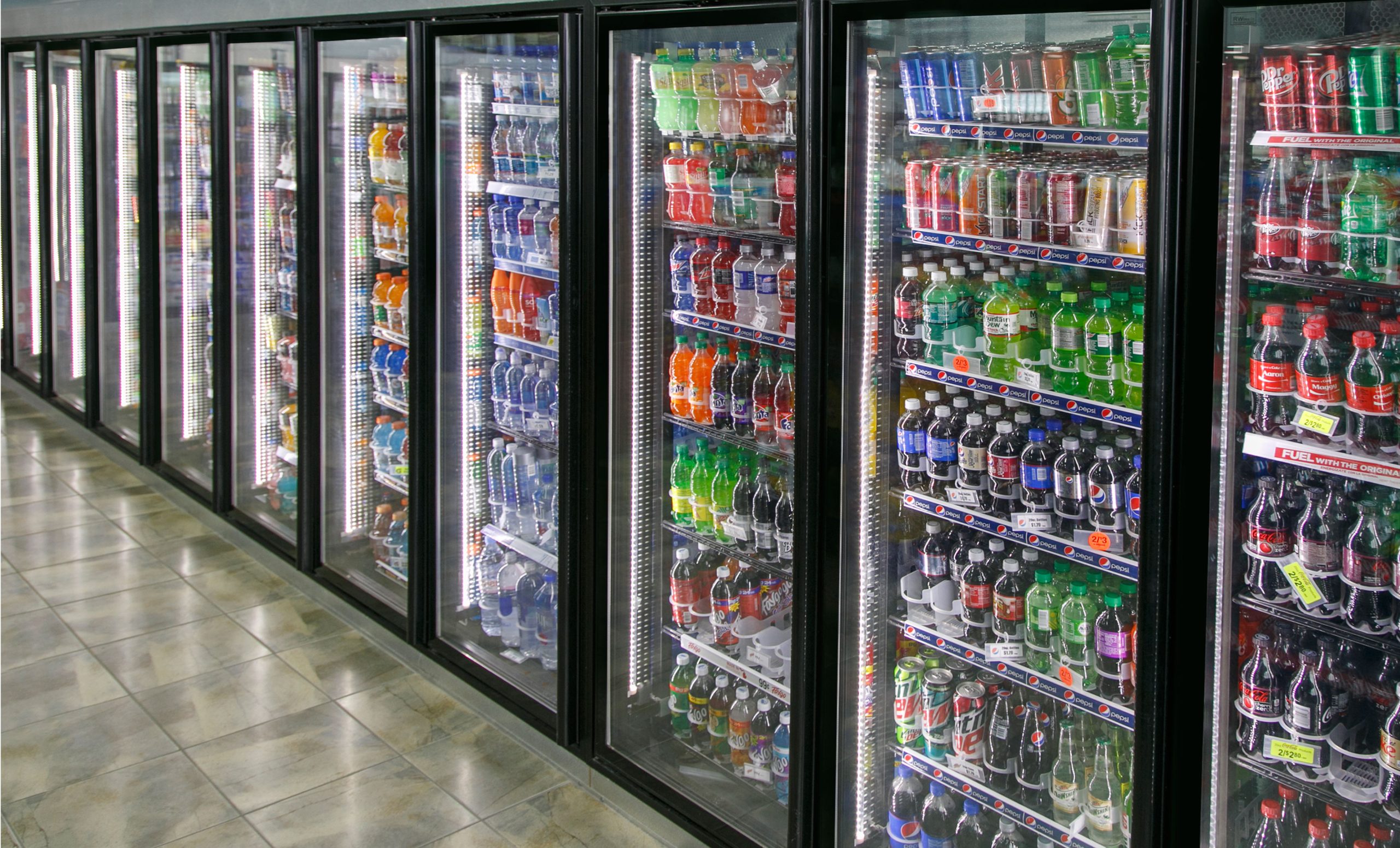
In a world where climate change is a pressing concern, businesses are increasingly seeking ways to minimise their environmental footprint. One often overlooked aspect is the impact of commercial refrigeration systems on the environment. In this blog, we’ll explore strategies for adopting environmentally responsible practices in commercial cooling while throwing a spotlight on the keyword – “commercial refrigeration” – to uncover how these strategies can benefit both businesses and the planet.
-
Energy-Efficient Equipment:
One of the simplest yet most effective strategies for green commercial refrigeration is investing in energy-efficient equipment. Upgrading to modern systems with advanced technologies not only reduces energy consumption but also lowers operating costs. Consider it as a win-win situation – a cooler planet and cooler energy bills. When it comes to commercial refrigeration in Penrith, businesses can explore options that align with the Australian Energy Rating system, ensuring they choose appliances that meet high energy performance standards.
-
Regular Maintenance:
It’s easy to overlook the maintenance of refrigeration systems when things are running smoothly. However, a proactive approach to maintenance can significantly enhance efficiency and longevity, preventing costly breakdowns and replacements. Regularly cleaning coils, checking refrigerant levels, and replacing worn-out components not only ensure optimal performance but also contribute to reducing the overall environmental impact of the equipment.
-
Optimised Temperature Settings:
Let’s talk about the Goldilocks principle for commercial refrigeration – not too hot, not too cold, but just right. Maintaining precise temperature settings prevents unnecessary energy consumption. While it might be tempting to keep the freezer as frosty as the North Pole, finding the sweet spot where temperatures are optimal for food safety and quality can make a substantial difference. This not only cuts down on energy usage but also minimises wear and tear on the equipment.
-
Green Refrigerants:
Traditionally, commercial refrigeration systems have used refrigerants that contribute to ozone depletion and global warming. Embracing eco-friendly refrigerants is a significant step toward reducing the environmental impact of cooling systems. With advancements in technology, businesses can now choose from a variety of alternatives that have lower Global Warming Potential (GWP) and are more environmentally friendly.
-
Smart Controls and Automation:
Enter the era of smart technology. Implementing intelligent controls and automation in commercial refrigeration systems allows for real-time monitoring and adjustments. This means that the equipment operates at peak efficiency, responding to changes in demand and environmental conditions. Smart controls not only contribute to a greener planet but also offer businesses the advantage of cost savings through optimised energy usage.
Conclusion:
As the global community grapples with the effects of climate change, it’s crucial for businesses to recognize their role in contributing to a sustainable future. By adopting environmentally responsible practices in commercial refrigeration, businesses not only reduce their carbon footprint but also position themselves as leaders in corporate social responsibility.