Exploring The World Of Hebel External Wall Cladding: Types And Advantages
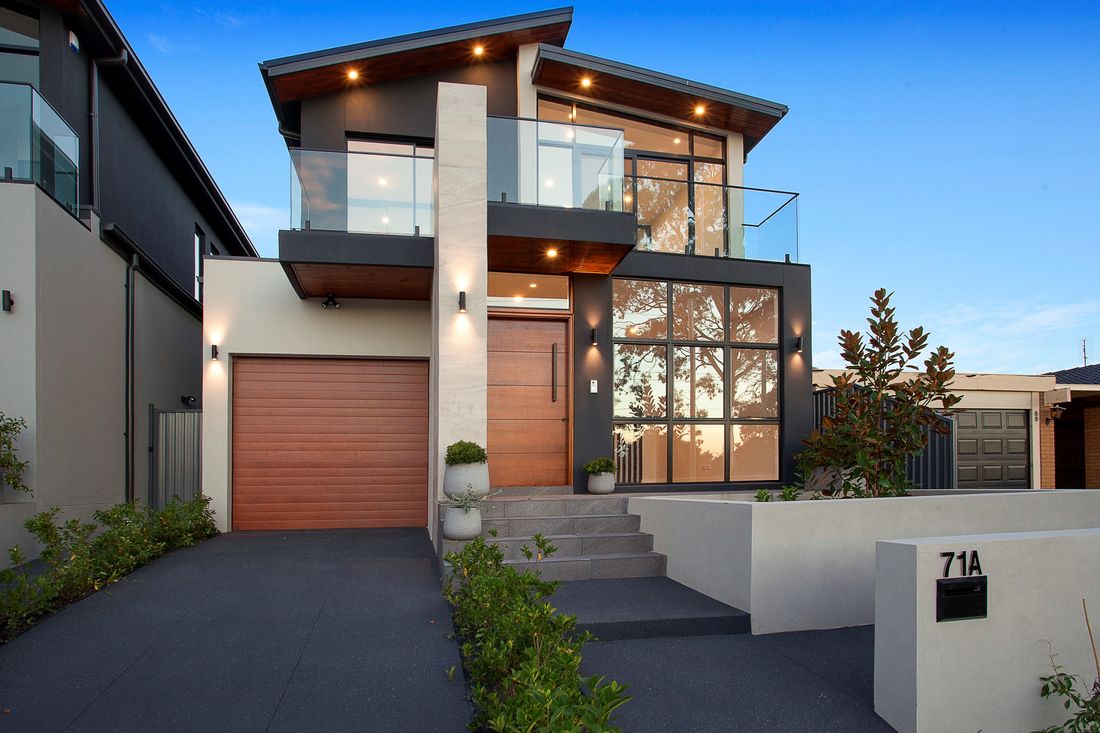
When it comes to external wall cladding, Hebel has emerged as a popular and innovative choice among architects, builders, and homeowners. Renowned for its versatility, durability, and aesthetic appeal, Hebel external wall cladding offers a range of options to suit diverse architectural styles. In this blog, we’ll delve into the various types of Hebel external wall cladding and the unique advantages they bring to the world of construction and design.
1. Hebel PowerPanelXL:
- PowerPanelXL is a robust and lightweight option in the Hebel external cladding lineup.
- Comprising steel-reinforced AAC (Autoclaved Aerated Concrete) panels, PowerPanelXL is designed for quick and easy installation.
- It offers excellent thermal and acoustic insulation properties, contributing to energy efficiency and a comfortable living environment.
2. Hebel PowerClad:
- PowerClad is a versatile cladding solution suitable for both residential and commercial applications.
- Its smooth and sleek finish provides a modern aesthetic, making it an ideal choice for contemporary designs.
- PowerClad panels are resistant to fire, moisture, and pests, ensuring longevity and low maintenance for building exteriors.
3. Hebel PowerPattern:
- For those seeking a textured and visually appealing external wall cladding, PowerPattern is a standout choice.
- PowerPattern panels offer a variety of textures and patterns, allowing architects and designers to create unique and eye-catching facades.
- The combination of aesthetics and the inherent benefits of Hebel, such as thermal efficiency, makes PowerPattern a compelling option.
4. Hebel PowerBase:
- PowerBase is specifically engineered for use as a base for traditional and lightweight construction methods.
- It serves as an excellent substrate for various finishes, including render, texture coating, and paint, providing flexibility in design choices.
- The durability of PowerBase ensures the longevity of the entire cladding system.
Advantages of Hebel External Wall Cladding:
Thermal Efficiency: Hebel external wall cladding provides excellent insulation, contributing to energy efficiency and reduced heating and cooling costs.
Lightweight Construction: The lightweight nature of Hebel panels facilitates faster and more straightforward installation, reducing construction time and labor costs.
Fire Resistance: Hebel is inherently fire-resistant, providing an added layer of safety to buildings.
Durability and Low Maintenance: Hebel cladding is resistant to decay, pests, and harsh weather conditions, resulting in a durable and low-maintenance exterior.
Hebel external wall cladding stands as a remarkable milestone in the ongoing evolution of construction materials, marking a paradigm shift in the way we approach both the form and function of architectural elements. It goes beyond being a mere building material; it’s a testament to the fusion of innovation and practicality, delivering a harmonious blend of aesthetics and functionality that elevates the standards of modern construction.
In the dynamic landscape of architectural design, Hebel emerges as a versatile and adaptable solution, catering to a spectrum of design preferences. Whether your vision leans towards a sleek and contemporary facade, a textured and tactile surface, or a nod to timeless tradition, the array of Hebel cladding options ensures that there’s a perfect fit for every architectural style.
The beauty of Hebel lies not just in its visual appeal but in its ability to meet the diverse demands of construction. Its lightweight composition facilitates efficiency in installation, reducing both construction time and associated costs. This characteristic makes Hebel a standout choice for those who value not only the aesthetics of a project but also the practical aspects of its execution.
Hebel’s commitment to performance is unwavering. Each type of Hebel cladding is engineered to withstand the test of time, weathering the elements with resilience. This durability not only ensures the longevity of the building envelope but also reduces the need for frequent maintenance, contributing to the sustainability of structures over the long term.