Steel Frame Fabrication: A Guide To Understanding The Process
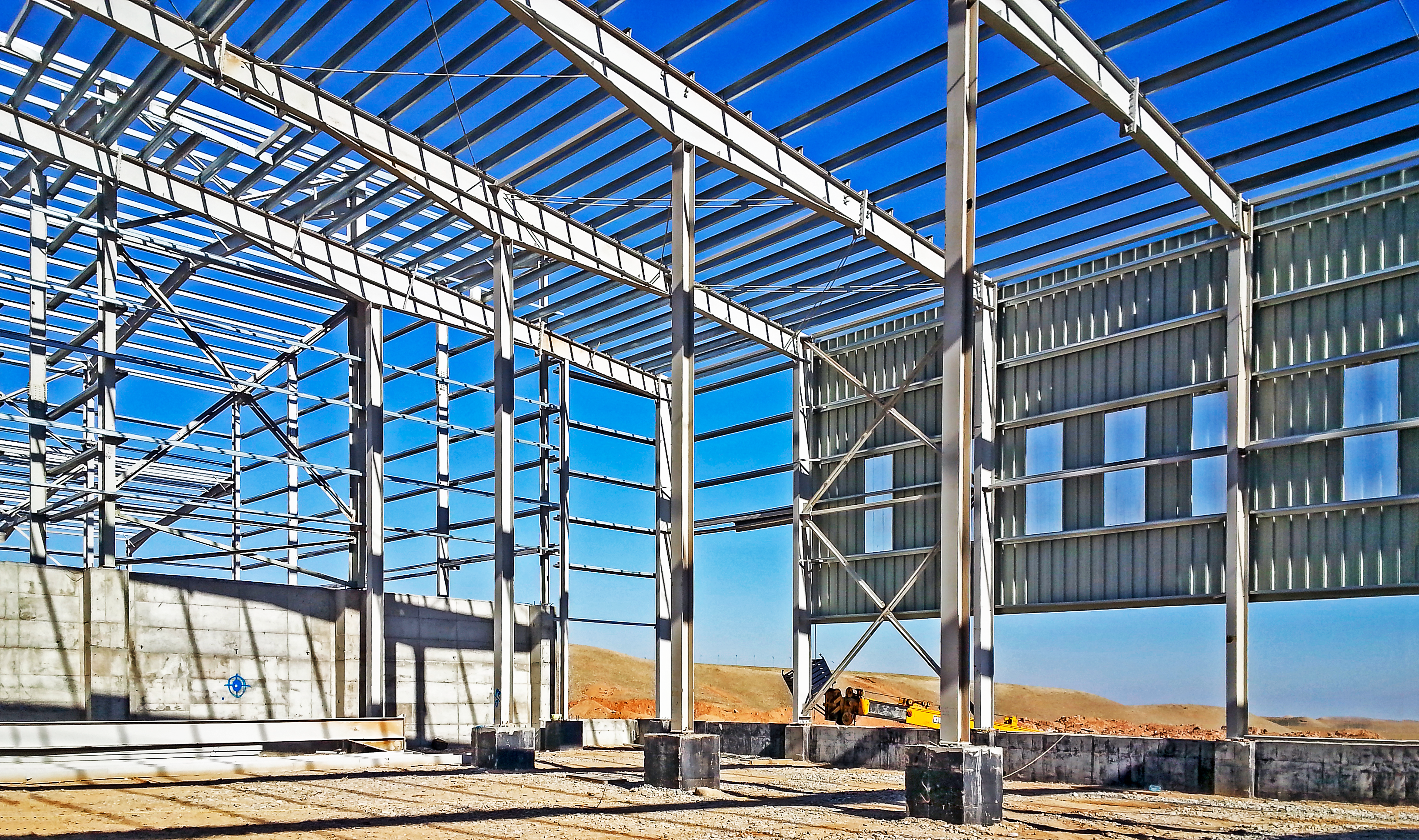
Steel frame fabrication is a crucial process in the construction industry. It involves the creation of steel structures by cutting, bending, and assembling steel components. This article aims to provide a comprehensive guide to understanding the steel frame fabrication process, its benefits, and its applications.
What is Steel Frame Fabrication?
Steel frame fabrication is the process of transforming raw steel materials into structural components that can be used in various construction projects. These components are typically used to create frameworks for buildings, bridges, and other structures. The fabrication process involves several steps, including cutting, bending, welding, and assembling the steel components.
Benefits of Steel Frame Fabrication
- Strength and Durability: Steel is known for its exceptional strength and durability. Steel frame structures can withstand extreme weather conditions, seismic activities, and heavy loads, making them ideal for long-lasting and robust construction projects.
- Versatility: Steel frame fabrication offers a high degree of versatility. Steel components can be customized to fit specific project requirements, allowing for flexibility in design and construction.
- Cost-Effective: While the initial cost of steel frame fabrication may be higher than other materials, its long-term benefits outweigh the investment. Steel structures require minimal maintenance, reducing repair and replacement costs over time.
The Steel Frame Fabrication Process
- Design and Planning: The fabrication process begins with the design and planning phase. Engineers and architects collaborate to create detailed drawings and specifications for the steel components. This step ensures that the fabricated structures meet the project’s requirements and adhere to safety standards.
- Material Selection: The next step involves selecting the appropriate type and grade of steel for the project. Factors such as strength, corrosion resistance, and cost are considered during this stage. Once the steel is chosen, it is ordered from suppliers.
- Cutting and Shaping: After the steel arrives at the fabrication facility, it undergoes cutting and shaping processes. Advanced machinery, such as laser cutters and plasma cutters, are used to precisely cut the steel into the desired shapes and sizes.
- Bending and Forming: Once the steel is cut, it is bent and formed according to the project’s specifications. Hydraulic presses and rollers are commonly used to bend the steel to the required angles and curves.
- Welding and Assembly: Welding is a critical step in steel frame fabrication. Skilled welders use various welding techniques, such as arc welding and MIG welding, to join the steel components together. The assembled components are then checked for accuracy and quality.
- Surface Treatment: To enhance the steel’s durability and appearance, surface treatments such as galvanizing or painting may be applied. These treatments protect the steel from corrosion and improve its aesthetic appeal.
Applications of Steel Frame Fabrication
Steel frame fabrication finds applications in various industries, including:
- Construction: Steel frames are widely used in the construction of commercial buildings, residential structures, and industrial facilities. Their strength, durability, and versatility make them an ideal choice for architects and engineers.
- Infrastructure: Steel frame fabrication is also crucial in the construction of bridges, tunnels, and other infrastructure projects. Steel structures provide the necessary strength and stability required for these large-scale projects.
- Manufacturing: Steel frames are used in the manufacturing industry to create equipment, machinery, and storage structures. The flexibility of steel allows for the customization of these structures to suit specific manufacturing needs.
Conclusion
Steel frame fabrication is a complex yet essential process in the construction industry. Its benefits, including strength, durability, versatility, and cost-effectiveness, make it a popular choice for various construction projects. By understanding the steel frame fabrication process and its applications, one can appreciate the importance of this technique in creating safe and reliable structures.