Enhancing Sustainability: The Importance and Process of Green Waste Collection
In the pursuit of a more sustainable future, addressing waste management is crucial. Green waste, also known as organic or garden waste, constitutes a significant portion of household and community waste. Green waste collection is a fundamental aspect of sustainable waste management, offering numerous environmental and practical benefits. This blog explores the importance and process of green waste collection.
Understanding Green Waste
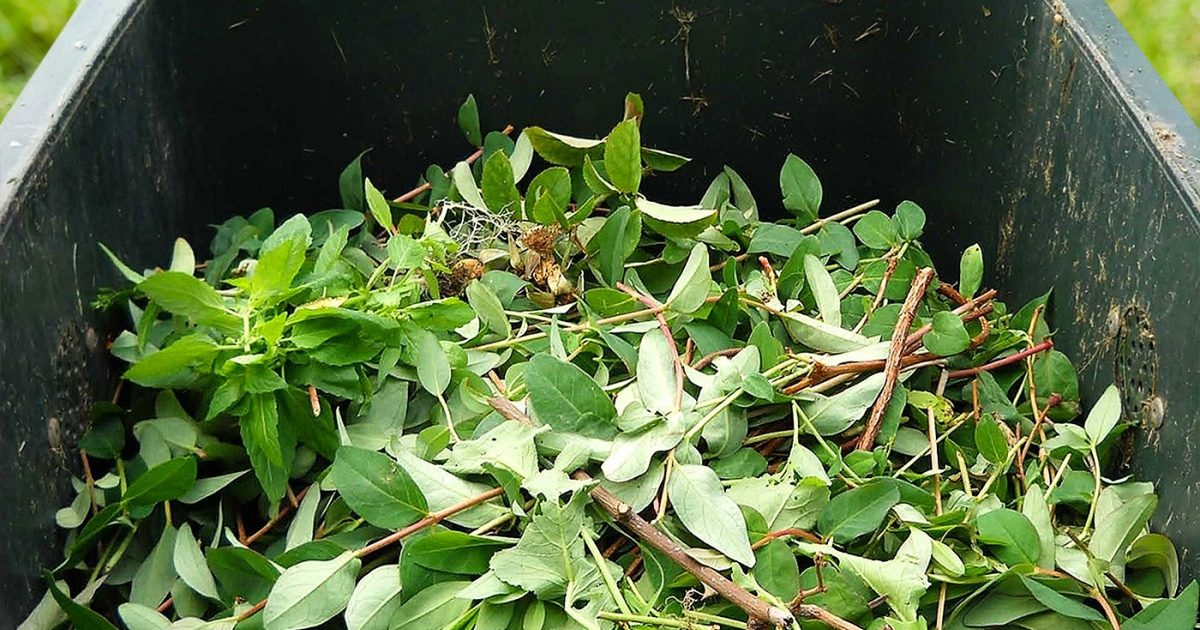
Green waste encompasses biodegradable materials derived from plants or organic matter. It includes grass clippings, leaves, branches, garden trimmings, and other non-hazardous organic waste generated from gardening, landscaping, and yard maintenance activities.
Importance of Green Waste Collection
1. Environmental Benefits
– Reduced Landfill Pressure: Green waste, when sent to landfills, contributes to methane emissions due to anaerobic decomposition. Collecting and diverting green waste from landfills mitigates these emissions, aiding in climate change mitigation.
– Compost Production: Properly collected green waste can be composted, generating nutrient-rich compost that enriches soil quality and promotes healthier plant growth. This composting process reduces the need for chemical fertilizers, contributing to sustainable agriculture.
2. Resource Recovery
– Renewable Energy Production: Through anaerobic digestion, green waste can be converted into biogas, a renewable energy source used for heating, electricity generation, and as a vehicle fuel. This process contributes to the production of sustainable energy resources.
3. Community and Economic Advantages
– Job Creation: Green waste collection and processing initiatives create employment opportunities, contributing positively to the local economy.
– Community Engagement: Encouraging community involvement in green waste collection fosters a sense of environmental responsibility and community cohesion.
Process of Green Waste Collection
1. Source Separation
Encourage households and communities to separate green waste from other waste streams. Provide designated bins or bags specifically for green waste collection. Educate individuals on what materials are acceptable for green waste bins.
2. Collection Services
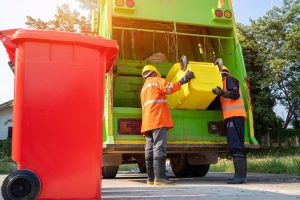
Local governments or waste management companies often provide green waste collection services. These services involve scheduled pick-ups or drop-off locations where residents can dispose of their green waste.
3. Composting Facilities
Collected green waste is transported to composting facilities. At these facilities, the waste undergoes controlled decomposition processes, such as aerobic composting, where organic matter breaks down into compost. Some facilities also employ vermiculture or anaerobic digestion techniques.
4. Utilization of End Products
The resulting compost or biogas from the green waste processing facilities can be used for various purposes:
– Compost Distribution: The nutrient-rich compost can be distributed and sold to the public or utilized in agriculture, landscaping, and gardening.
– Biogas Utilization: Biogas can be used for electricity generation, heating, or as a renewable energy source for vehicles.
Challenges and Solutions
Challenges in green waste collection include contamination in green waste bins, lack of awareness, and limited infrastructure. To address these challenges:
– Education and Awareness: Communities can conduct educational campaigns to inform residents about the importance of proper green waste disposal and what materials are acceptable.
– Infrastructure Development: Investments in infrastructure for collection, transportation, and processing facilities can enhance the efficiency of green waste management.
Green waste collection is an integral part of sustainable waste management practices. By diverting organic waste from landfills and transforming it into valuable resources like compost and biogas, communities contribute significantly to environmental conservation and resource recovery. Encouraging active participation, investing in infrastructure, and spreading awareness are pivotal steps towards creating a greener and more sustainable future for generations to come. Green waste isn’t just waste; it’s a valuable resource waiting to be utilized for the benefit of our planet