Understanding The Essentials Of Post-Tensioning Services
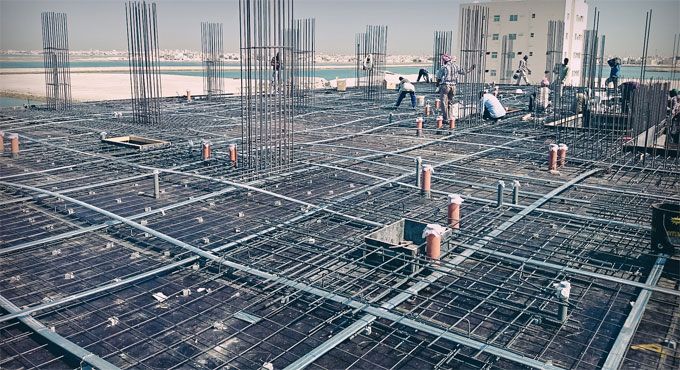
Post-tensioning services have become a cornerstone in engineering techniques, especially in creating durable, long-span, and aesthetically pleasing structures.
Post-tensioning is a method used in concrete reinforcement that is stronger and more adaptable than traditional reinforcement methods. This technique involves the application of tension to the steel tendons after the concrete has attained its initial set. The key component of post tensioning services is their ability to place the concrete under compressive stress, which significantly enhances the material’s strength and performance characteristics.
The Process of Post-Tensioning
The process of post-tensioning is intricate and requires precision. It typically involves the following steps:
- Casting: Initially, concrete is cast around plastic, steel, or aluminium ducts that house the tensioning tendons.
- Tensioning: Once the concrete achieves sufficient strength, the tendons are tensioned using hydraulic jacks.
- Anchoring: The tensioned tendons are then anchored against the outer edges of the concrete, transferring the tension forces to the concrete.
- Grouting: Finally, the ducts are filled with grout to protect the tendons from corrosion and to bond the tendons with the surrounding concrete.
Applications of Post-Tensioning Services
Post-tensioning services are extensively used in various construction projects due to their versatility and efficiency. Key applications include:
- Bridges: For long-span bridges, post-tensioning provides the necessary strength and flexibility.
- Buildings: High-rise buildings benefit from the reduced structural weight and increased load-bearing capacity post-tensioning provides.
- Slabs and Foundations: Post-tensioning is used in ground slabs, parking garages, and foundations, enhancing strength and crack control.
- Water Tanks and Silos: The circular structures of water tanks and silos are ideal for post-tensioning, which ensures uniform compression throughout the structure.
Benefits of Post-Tensioning Services
Enhanced Durability and Strength
Post-tensioning significantly increases the concrete’s load-bearing capacity, making structures more durable and capable of withstanding greater stresses.
Structural Efficiency and Economy
The technique allows for thinner slabs and fewer supports, reducing material usage and overall construction costs.
Versatility in Design
Post-tensioning offers architects and engineers more flexibility in design, allowing for innovative shapes and longer spans without the need for additional support.
Reduced Construction Time
With the ability to use thinner slabs and fewer supports, post-tensioning can significantly speed up construction times.
Improved Crack Control
Tensioned steel within the concrete provides better control over cracking, ensuring the longevity and aesthetics of the structure.
Challenges in Post-Tensioning Services
Despite its numerous benefits, post-tensioning services face certain challenges:
- Specialised Skill Requirement: The process requires skilled personnel and precision engineering, which can be a constraint in areas lacking expertise.
- Maintenance and Inspection: Post-tensioned structures require careful maintenance and regular inspection to ensure the integrity of the tendons.
- Corrosion Risks: If not properly grouted, the steel tendons can be susceptible to corrosion, compromising the structure’s safety.
The Future of Post-Tensioning Services
The future of post-tensioning services looks promising with the advent of new materials and technologies. Innovations like corrosion-resistant tendons, advanced monitoring systems using sensors, and high-strength lightweight materials are expected to enhance the effectiveness and applications of post-tensioning services.
Furthermore, integrating digital technologies like Building Information Modeling (BIM) in the planning and implementation of post-tensioning in construction projects is paving the way for more efficient and accurate designs.
Conclusion
Post-tensioning services represent a significant leap in construction technology, offering a combination of strength, efficiency, and aesthetic freedom that traditional methods cannot match. By understanding the essentials of post-tensioning services, professionals in the construction industry can better leverage this technique to build safer, more durable, and more innovative structures.