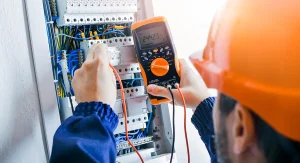
Exploring The Types Of Switchboard Upgrades In Sydney
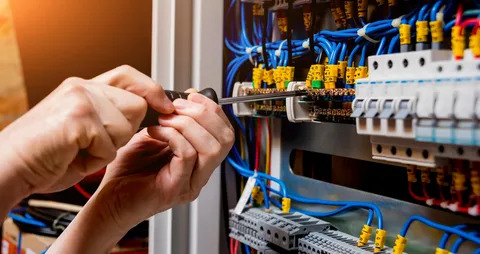
In the dynamic and ever-evolving landscape of electrical systems, switchboard upgrades have become a vital component in ensuring the safety, efficiency, and reliability of power distribution. Sydney, as a bustling metropolis, is no exception to the need for modern and advanced switchboards. This blog delves into the variety and types of switchboard upgrades in Sydney, showcasing the importance of staying abreast of technological advancements to meet the city’s growing energy demands.
Traditional to Modern Switchboard Upgrades:
Sydney, like many cities, has witnessed a significant shift in electrical systems over the years. Older buildings often have traditional switchboards that may not meet the demands of contemporary power consumption. Upgrading from these outdated systems to modern switchboards is crucial for enhancing safety, accommodating new technologies, and improving overall energy efficiency.
Safety-Centric Switchboard Upgrades:
Ensuring the safety of residents and businesses is paramount, making safety-centric switchboard upgrades a priority. These upgrades may include the installation of circuit breakers, safety switches (also known as residual current devices or RCDs), and surge protectors. Implementing these safety features not only reduces the risk of electrical fires but also provides protection against electric shocks and potential damage to sensitive electronic equipment.
Capacity Expansion Switchboard Upgrades:
As Sydney continues to grow and develop, the demand for electricity rises. Many older buildings may have switchboards that were not designed to handle the increased load of modern appliances and technologies. Capacity expansion switchboard upgrades involve increasing the electrical capacity to accommodate higher energy demands, preventing overloaded circuits and ensuring a seamless power supply.
Smart Switchboard Upgrades:
With the rise of smart technologies, switchboard upgrades now extend beyond basic functionalities. Smart switchboards integrate advanced monitoring and control features, allowing homeowners and businesses in Sydney to manage their energy consumption more efficiently. These upgrades may include the integration of smart metres, energy monitoring systems, and remote access capabilities for enhanced control and automation.
Compliance-Driven Switchboard Upgrades:
Building codes and regulations evolve to address safety standards and technological advancements. Switchboard upgrades driven by compliance ensure that electrical systems meet the latest industry standards and local regulations. Staying compliant not only enhances safety but also avoids potential legal issues associated with outdated electrical infrastructure.
Renewable Energy Integration Switchboard Upgrades:
Sydney, like many cities, is making strides towards a more sustainable future. Switchboard upgrades that integrate renewable energy sources, such as solar panels and battery storage, play a pivotal role in this transition. These upgrades enable homeowners and businesses to harness clean energy, reduce reliance on the grid, and contribute to environmental conservation efforts.
Commercial and Industrial Switchboard Upgrades:
The switchboard requirements for commercial and industrial settings in Sydney differ from residential needs. Upgrades in these sectors often involve complex systems to manage high-energy loads, ensure uninterrupted power supply, and enhance operational efficiency. Switchboard upgrades for businesses may also include features like power factor correction and energy management systems to optimise energy usage and reduce costs.
Conclusion
In conclusion, the variety and types of switchboard upgrades in Sydney reflect the city’s commitment to staying at the forefront of electrical technology. From safety-centric and capacity expansion upgrades to smart and compliance-driven solutions, Sydney’s electrical landscape is evolving to meet the demands of a modern and sustainable future. For residents and businesses alike, investing in switchboard upgrades is not just about keeping up with the times but also ensuring a resilient and efficient power infrastructure for years to come.