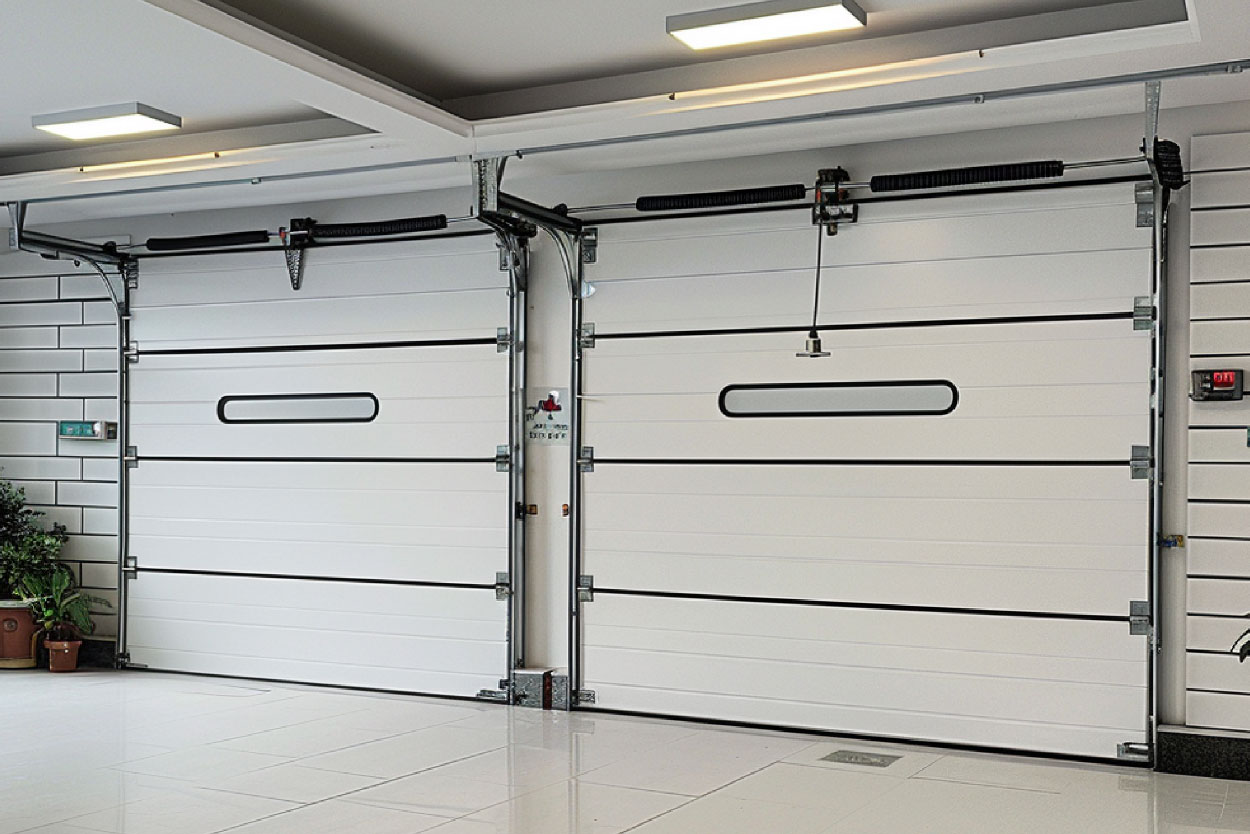
A Guide to Installing Automatic Garage Doors: Convenience and Security Made Simple
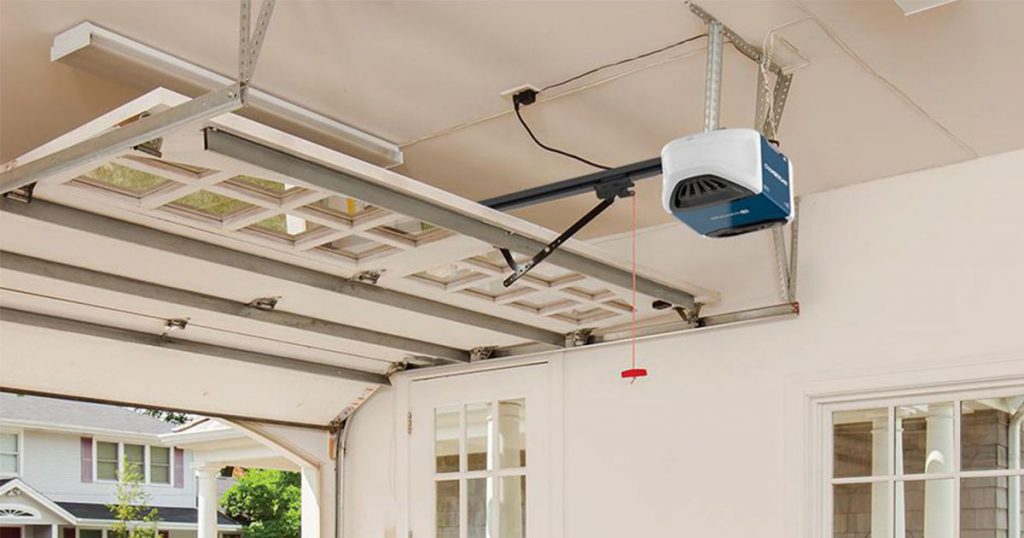
An automatic garage door can significantly enhance the convenience, security, and value of a home. Whether building a new home or upgrading an existing garage, the process of auto garage door installation involves several important steps to ensure it operates smoothly and efficiently. In this guide, let’s explore what you need to know before installing an automatic garage door, the benefits it brings, and tips for a successful installation process.
Why Choose Automatic Garage Doors?
Automatic garage doors offer a wide range of benefits that go beyond basic convenience. Here are some compelling reasons why homeowners increasingly prefer automatic doors over manual ones:
- Convenience: With the touch of a button, you can open or close the garage door without leaving your car, making it especially useful during inclement weather or when hands are full.
- Security: Many automatic garage doors come equipped with advanced security features, such as rolling codes and smartphone compatibility, to ensure only authorised individuals have access.
- Safety: Modern automatic garage doors include sensors that detect obstacles in their path, minimising the risk of accidents, especially with children and pets around.
- Increased Property Value: Homes equipped with automatic garage doors are often seen as more secure and convenient, adding to the overall value of the property.
Preparing for Auto Garage Door Installation
Installing an automatic garage door requires preparation, from selecting the right door to planning out the installation process. Here’s a breakdown of what to consider:
- Choose the Right Door Type and Material: Garage doors come in various materials, such as steel, wood, and aluminium. Each material has its own benefits; for example, steel doors are durable and low-maintenance, while wooden doors offer a classic look but may require more upkeep. Consider your climate, budget, and style preferences when choosing.
- Select a Reliable Opener: The garage door opener is an essential part of auto garage door installation. Openers come in different types, including chain-drive, belt-drive, and screw-drive models. Each has unique benefits; for instance, chain-drive openers are durable, while belt-drive models are quieter. Consider the weight and size of your garage door when choosing an opener, as some openers may not be suitable for heavier doors.
- Measure the Space Correctly: Accurate measurements are essential for a smooth installation process. Measure the height, width, and depth of your garage to ensure the door fits perfectly. Be sure to account for any additional features, such as insulation or decorative windows, which can add bulk.
Steps for Installing an Automatic Garage Door
Auto garage door installation requires precision and attention to detail. While professional installation is often recommended, understanding the process can be helpful, whether you plan to install it yourself or hire a technician.
- Set Up the Tracks: Begin by installing the tracks that guide the garage door as it opens and closes. Ensure they are perfectly aligned, as misaligned tracks can cause the door to jam or wear unevenly.
- Install the Springs: The springs provide the necessary tension to lift the garage door smoothly. Both torsion and extension springs are commonly used in auto garage doors, though torsion springs tend to offer greater durability. Improper handling of springs can be hazardous, so it’s crucial to follow instructions carefully or consult a professional.
- Attach the Opener: Once the door and springs are in place, you can attach the opener. Follow the manufacturer’s guidelines to secure it to the ceiling and connect it to the door. This step usually requires electrical work, as the opener needs to be wired for power.
- Install Safety Features: Modern automatic garage doors are required to have safety sensors that detect obstacles in the door’s path. These sensors prevent the door from closing on objects, pets, or people, and they are generally installed a few inches from the ground on either side of the door.
- Test and Adjust: After completing the installation, test the garage door multiple times to ensure it opens and closes smoothly. Adjust the force and speed settings as needed to make the door function safely and effectively.
Maintenance Tips for Automatic Garage Doors
Once your automatic garage door is installed, regular maintenance can keep it functioning smoothly and extend its lifespan:
- Inspect the Tracks and Rollers: Dust and debris can accumulate on the tracks and rollers, making it harder for the door to move. Clean these parts regularly to ensure a smooth glide.
- Lubricate Moving Parts: Applying lubricant to the springs, rollers, and hinges can reduce friction, helping the door open and close quietly and reducing wear.
- Check the Safety Sensors: Test the sensors periodically to ensure they work correctly, as they play a vital role in preventing accidents.
- Examine the Opener’s Battery and Remote: Replace batteries as needed to keep the opener running smoothly, and make sure the remote is functioning.
Bottom-line
Auto garage door installation offers a seamless blend of convenience, security, and style to any home. Whether you’re upgrading an existing garage or building new, selecting the right materials, door type, and opener can ensure optimal performance. With proper installation and routine maintenance, an automatic garage door can serve you reliably for many years, making it a valuable addition to any property.