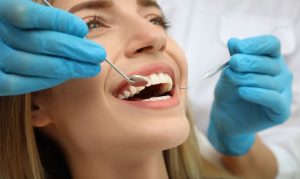
How Can A Paediatric Dentist In Wentworthville Support Your Child’s Dental Health?
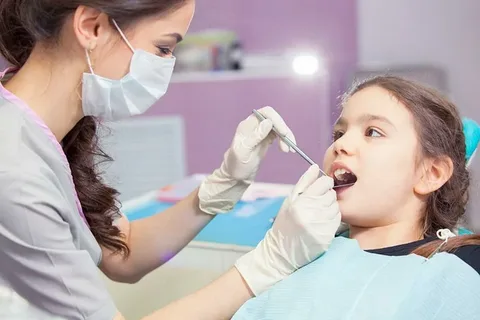
A pediatric dentist in Wentworthville offers specialised care tailored to the unique needs of children and adolescents. From teething to managing development of permanent teeth, pediatric dentist in Wentworthville play a key role in early diagnosis, prevention, and treatment. Their expertise ensures dental visits are both effective and positive experiences for young patients.
Early dental care guided by specialists can significantly impact a child’s long-term oral health. Recognising the benefits of paediatric dental services helps parents make informed choices as their children grow.
What Makes Paediatric Dentists Unique?
- Child-Centred Approach
Paediatric dentists are trained to interact with children at various developmental stages. Their communication style is supportive, helping reduce fear or resistance. - Specialist Knowledge
They understand how baby teeth and jaws grow, allowing for the timely identification of alignment issues or developmental concerns. - Tailored Equipment and Techniques
Tools and procedures are adapted for smaller mouths, making the treatment more comfortable and less intimidating.
What Conditions Do They Commonly Treat?
- Early Childhood Caries
Tooth decay can start shortly after teeth appear. Paediatric dentists use preventive methods like fluoride and sealants to manage this risk. - Tooth Eruption Concerns
Monitoring when and how teeth erupt helps identify potential issues like overcrowding, delayed eruption, or impaction. - Oral Habits
Habits such as thumb sucking or prolonged dummy use can affect jaw development. Paediatric dentists offer guidance and gentle corrective strategies. - Injuries and Emergencies
Children often experience dental trauma from falls or accidents. Prompt treatment helps prevent lasting damage to teeth and gums.
Why Is Preventive Care So Important?
- Reduces Future Complications
Preventive care helps detect and treat small problems before they become serious. This limits the need for invasive procedures later. - Supports Proper Development
Regular monitoring ensures that the teeth, bite, and jaw are developing in alignment, reducing the need for future orthodontic treatments. - Reinforces Positive Habits
Routine dental visits encourage consistent oral hygiene habits at home, setting the foundation for lifelong care.
What Happens During a Routine Visit?
- Visual Examination
The dentist checks for signs of decay, gum issues, and alignment problems. They also review dental history and any concerns from parents. - Gentle Cleaning
Plaque and tartar are removed to keep teeth healthy. Fluoride treatments may be applied to strengthen enamel. - Education and Advice
Both children and parents receive guidance on brushing, flossing, and healthy food choices. Demonstrations may be included to encourage learning.
When Should a Child Start Seeing a Paediatric Dentist?
- By the First Birthday
It’s recommended that a child has their first dental visit within six months of the first tooth erupting, or by age one. - Before Problems Arise
Early visits build trust and familiarity, making future treatments easier if issues do develop. - With Each Developmental Stage
As children grow, their dental needs evolve. Paediatric dentists adapt care plans to support changes from baby teeth to permanent ones.
How Can Parents Support Dental Health at Home?
- Supervised Brushing
Until about age seven, children should be assisted with brushing to ensure all surfaces are cleaned properly. - Balanced Diet
Limiting sugary snacks and drinks reduces the risk of tooth decay. Encourage water and tooth-friendly snacks like cheese or vegetables. - Monitoring Habits
Be aware of prolonged habits like nail biting or tongue thrusting, which can impact oral development. Discuss any concerns with your child’s dentist.
A pediatric dentist in Wentworthville provides comprehensive care focused on prevention, comfort, and education. Their ability to understand the unique dental needs of children allows them to address concerns with skill and empathy. Choosing such a specialist ensures your child’s oral health receives the attention it needs during the most formative years.