
What Should You Know Before Using Disinfectant Chemicals?
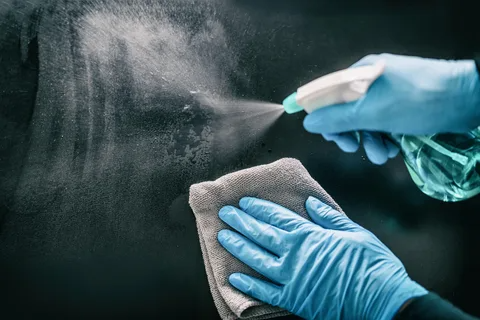
In both domestic and commercial settings, disinfectant chemicals play a vital role in maintaining hygiene and reducing the spread of harmful microorganisms. Used correctly, these agents can significantly lower the risk of infection, especially in high-contact areas. However, not all disinfectants are the same, and understanding their properties and applications is essential for safe and effective use.
What Are Disinfectant Chemicals?
- Chemical Agents That Kill Microbes
Disinfectants are substances specifically formulated to destroy or deactivate bacteria, viruses, fungi, and some spores. They differ from general cleaners, which remove dirt but may not kill pathogens. - Used on Non-Living Surfaces
Disinfectant chemicals are intended for surfaces such as counters, doorknobs, toilets, and floors. They are not meant for direct use on the human body, unlike antiseptics or sanitisers. - Come in Various Forms
These include liquids, sprays, wipes, and concentrates. The form used depends on the cleaning method and size of the surface area being treated.
What Are the Main Types of Disinfectants?
- Quaternary Ammonium Compounds (Quats)
These are commonly used in healthcare and food service environments. They are effective against a wide range of pathogens and leave a mild residue that continues to kill germs after application. - Alcohol-Based Disinfectants
These provide fast-acting results and are often used on high-touch surfaces like light switches or electronics. However, they evaporate quickly and may not offer lasting protection. - Chlorine-Based Disinfectants
Often used in institutional settings, chlorine compounds are strong and effective against viruses and spores. They must be used with caution, as they can cause discolouration or corrosion. - Hydrogen Peroxide Solutions
These break down into water and oxygen, making them more environmentally friendly. They are effective across a broad spectrum of microbes and suitable for sensitive environments.
How Should Disinfectants Be Applied?
- Clean First, Then Disinfect
Surfaces must be free of dirt and grease before applying disinfectants. Organic matter can interfere with chemical efficacy. - Follow Manufacturer Guidelines
Each product comes with specific instructions regarding dilution, contact time, and surface compatibility. Not following them may result in ineffective disinfection. - Allow Proper Dwell Time
Most disinfectants require a specific time to remain wet on the surface to work effectively. Premature wiping may reduce their microbial kill rate. - Use Protective Equipment
Gloves, masks, or goggles may be necessary depending on the strength and composition of the disinfectant, especially in poorly ventilated areas.
What Safety Measures Should Be Followed?
- Avoid Mixing Products
Combining different disinfectant chemicals can produce harmful fumes. For example, mixing bleach with ammonia is dangerous and must be avoided. - Store Securely
Disinfectants should be kept in original containers, away from heat, sunlight, and children. Labelling must remain intact to prevent misuse. - Use in Well-Ventilated Areas
Proper ventilation reduces the risk of respiratory irritation. This is especially important when using stronger formulations. - Dispose Responsibly
Never pour leftover disinfectant down the drain unless instructed. Check guidelines for environmentally safe disposal methods.
Where Are Disinfectants Most Needed?
- Healthcare Facilities
Hospitals, clinics, and aged care homes require strict disinfection protocols. High-touch areas such as bed rails, handles, and medical equipment are prioritised. - Food Preparation Areas
Kitchens and food manufacturing areas must be free of pathogens. Only food-safe disinfectants should be used to avoid contamination. - Public Transport and Retail Spaces
Handrails, trolleys, ticket machines, and other frequently touched surfaces are regularly disinfected to prevent mass transmission of germs. - Educational Institutions
Schools and childcare centres use disinfectants on desks, washrooms, and shared learning materials to protect both children and staff.
Conclusion
Understanding how to choose, apply, and handle disinfectant chemicals is critical for maintaining safe environments across a range of industries. Their effectiveness depends not just on the formulation, but also on appropriate use. While they form a core part of modern cleaning protocols, safety should always be prioritised. With informed practices and the right precautions, disinfectants can contribute meaningfully to public health and hygiene.







