Organise Your Freezer With Practical And Efficient Freezer Labels
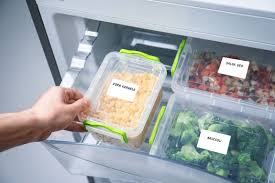
In busy households and commercial kitchens alike, maintaining an organised freezer is essential for efficient meal planning, inventory management, and food safety. Freezer labels play a crucial role in this process, providing a clear and reliable way to identify and track frozen foods. In this guide, we’ll explore the importance of freezer labels, their features, and how they help streamline freezer organisation in both home and professional settings.
Purpose of Freezer Labels:
Freezer labels serve as a means of identification for frozen food items, providing essential information such as the contents, date of freezing, and expiration date. By labelling each item before storing it in the freezer, users can easily identify and locate specific foods, preventing waste and ensuring freshness.
Features of Freezer Labels:
Freezer labels are designed with features that make them suitable for use in low-temperature environments:
- Adhesive: Freezer labels are equipped with a strong adhesive that adheres securely to frozen food packaging, preventing them from peeling off or becoming detached in the cold.
- Water-Resistant: These labels are water-resistant to withstand condensation and moisture buildup inside the freezer, ensuring that the label remains legible and intact over time.
- Temperature Tolerance: Freezer labels are designed to withstand freezing temperatures without becoming brittle or cracking, ensuring durability and readability in cold storage conditions.
Benefits of Using Freezer Labels:
- Organisation: Freezer labels help users organise their freezer contents by clearly identifying each item, making it easier to locate specific foods and plan meals.
- Food Safety: By labelling frozen foods with the date of freezing and expiration date, users can ensure that they consume foods within safe storage times, reducing the risk of foodborne illness.
- Inventory Management: Freezer labels facilitate inventory management by providing a record of the contents and quantities of items stored in the freezer, enabling users to track usage and replenish supplies as needed.
- Cost Savings: Properly labelled freezer contents help prevent food waste by ensuring that items are used before they expire, maximising the value of groceries and reducing unnecessary purchases.
- Types of Freezer Labels:
Freezer labels come in various types to suit different preferences and applications:
- Pre-Printed Labels: These labels come pre-printed with common categories such as meats, vegetables, and leftovers, making it easy to label foods quickly and accurately.
- Blank Labels: Blank freezer labels provide flexibility for users to customise them with handwritten or printed information according to their specific needs and preferences.
- Dissolvable Labels: Dissolvable freezer labels are designed to dissolve in water, making them ideal for temporary labelling of reusable containers and reducing waste.
Best Practices for Labelling Freezer Foods:
When labelling freezer foods, it’s important to:
- Use a permanent marker or freezer-safe pen to write clearly and legibly on the label.
- Include essential information such as the contents, date of freezing, and expiration date.
- Place the label in a visible location on the packaging, ensuring it remains intact and readable throughout storage.
Conclusion:
Freezer labels are invaluable tools for maintaining an organised and efficient freezer, whether at home or in a professional kitchen. By providing clear identification and tracking of frozen foods, freezer labels help users optimise storage space, ensure food safety, and minimise waste. With their durable construction and practical features, freezer labels offer a simple yet effective solution for streamlining freezer organisation and enhancing the overall efficiency of food storage and meal preparation.