
How to Prevent Efflorescence and Keep Your Surfaces Looking Clean
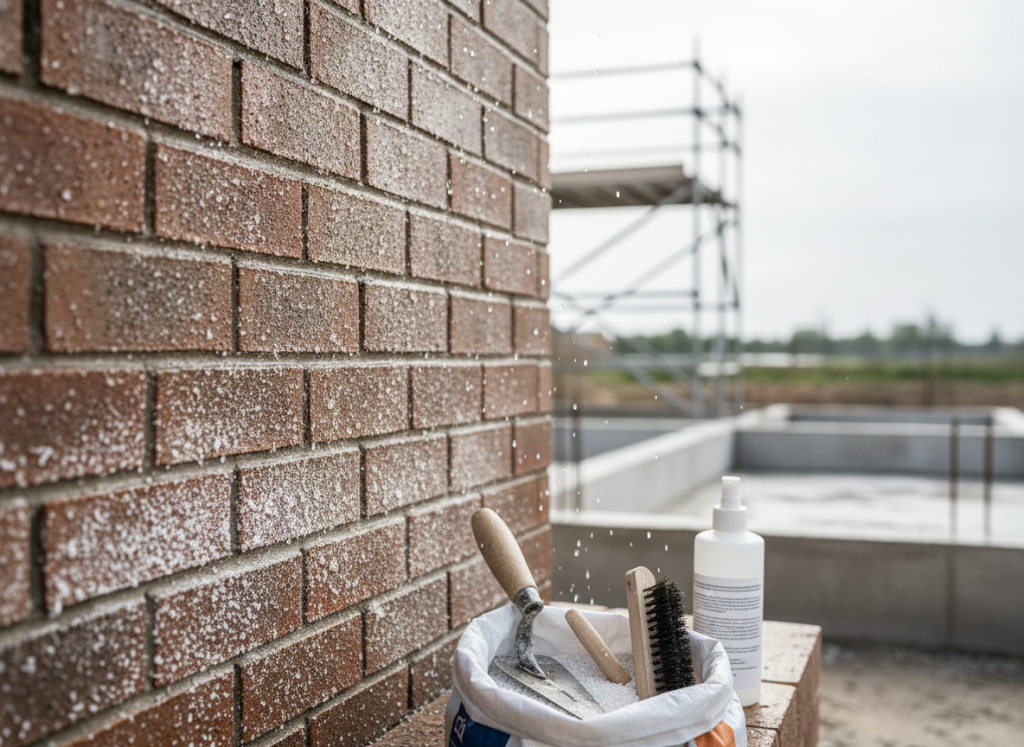
If you’ve ever noticed a white, chalky residue creeping across your brickwork, concrete, or paving, you’ve seen efflorescence in action. It might look minor at first glance, but left unchecked it can become a persistent and frustrating problem. Understanding how to prevent efflorescence before it takes hold is far easier than dealing with it once it’s already spread across your surfaces.
What Actually Causes That White Residue?
Efflorescence occurs when water moves through a porous material like brick, mortar, or concrete, picking up soluble salts along the way. When that water reaches the surface and evaporates, it leaves those salts behind as a white or greyish crust. It’s not a structural issue in itself, but it’s often a sign that moisture is getting into places it shouldn’t, which can point to deeper problems if ignored long enough.
Surfaces Most Commonly Affected
While efflorescence can appear on almost any masonry surface, some are more vulnerable than others. Watch out for it on:
- Brickwork and rendered walls
- Concrete driveways and pathways
- Retaining walls exposed to soil moisture
- Pavers and tiled surfaces in outdoor areas
- Basement or underground concrete walls
In Brisbane and other parts of Queensland, where humidity is high and seasonal rain is heavy, these surfaces are particularly prone to moisture-related issues.
Can You Stop It Before It Starts?
Yes, and prevention is genuinely more straightforward than removal. The key is reducing the opportunity for water to move through the material and carry salts to the surface. A few practical steps that make a real difference include:
- Sealing surfaces properly — applying a quality masonry sealer creates a barrier that slows moisture absorption significantly
- Improving drainage — making sure water doesn’t pool against walls or under paving reduces the amount of moisture available to cause the problem
- Using low-salt materials — when building or laying new surfaces, choosing materials with lower soluble salt content reduces the risk from the outset
- Getting mortar mixes right — excess water in mortar increases porosity, so using the correct ratio during construction helps reduce vulnerability
- Addressing leaks early — any source of persistent moisture, whether from pipes, gutters, or roof runoff, gives efflorescence the fuel it needs to develop
Does Weather Play a Role?
Absolutely. Efflorescence tends to appear more often after wet periods followed by dry, sunny weather. That cycle of wetting and drying is exactly the condition that draws salts to the surface. In areas with heavy seasonal rainfall, taking preventative steps before the wet season arrives is a smart approach.
What If It’s Already Appeared?
If you’re already dealing with visible efflorescence, dry brushing the surface with a stiff brush is usually the first step. For more stubborn deposits, a diluted acid-based cleaner designed for masonry can help, though surface preparation matters and the right product should be matched to the material. After removing the deposit, sealing the surface is the next priority to reduce the chance of it returning.
Wrapping Up
Efflorescence is one of those issues that’s much easier to manage with a bit of forward planning. By controlling moisture pathways, using the right materials, and sealing surfaces before problems arise, you can keep your brickwork, concrete, and paving looking clean and well-maintained for years. Knowing how to prevent efflorescence is ultimately about understanding how water moves through your surfaces and giving it fewer chances to cause trouble.


