
The Transformative Power Of Rounded Glass: Maximising Light And Expanding Spaces
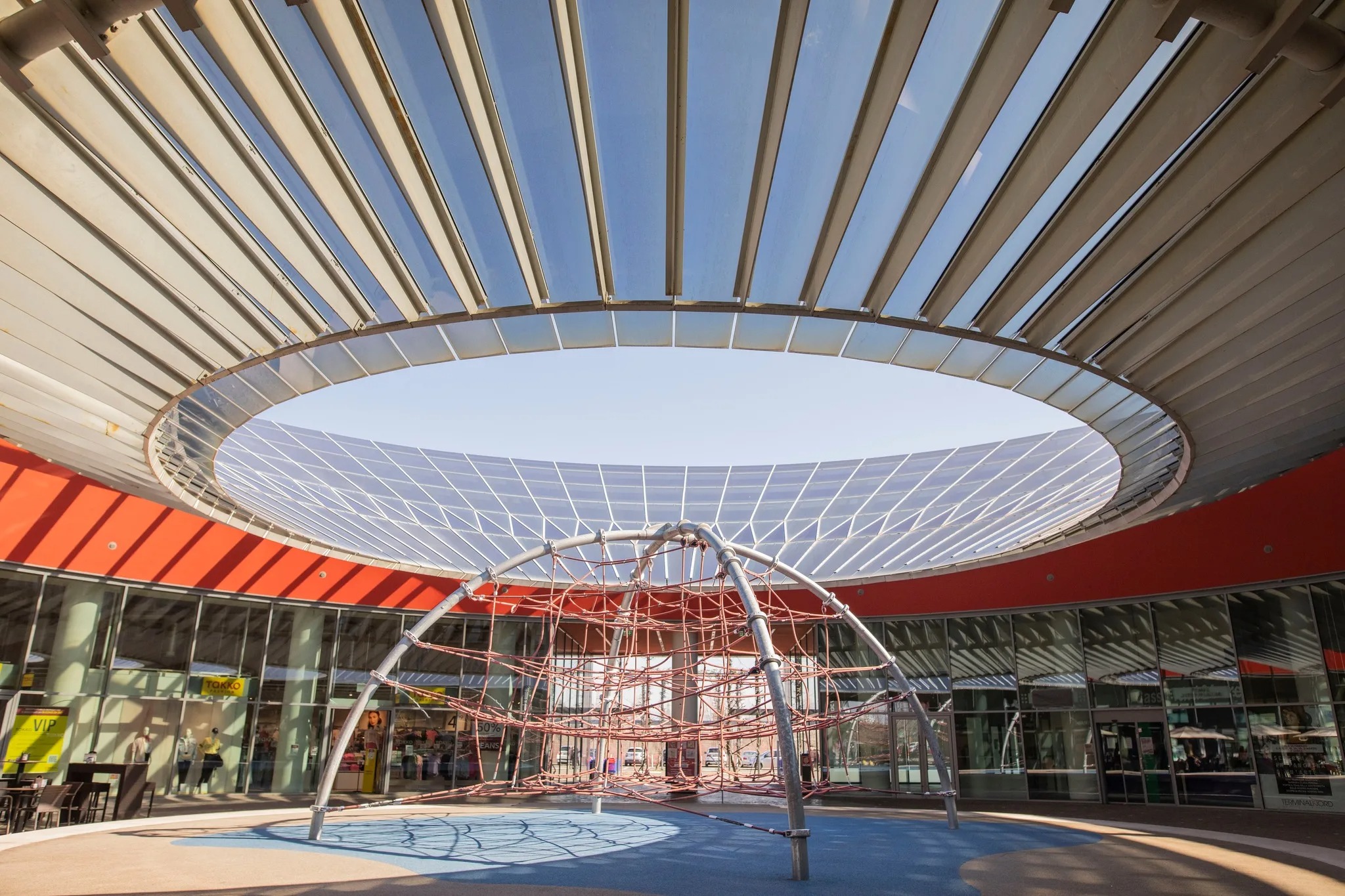
Round glass has become a ground-breaking component in contemporary architecture and interior design, combining exceptional functionality with refined aesthetics. In contrast to traditional square panels, rounded glass adds a smooth curvature that controls light, changes how space is perceived, and improves a structure’s overall atmosphere. This architectural wonder redefines the concept of rounded glass by combining transparency and fluidity in facades, walls, or decorative installations.
An Illuminating Gateway To Brighter Spaces
- Optimised Light Diffusion: Glass’s unique rounded shape directs sunlight better than flat glass, serving as a natural light amplifier. Since there are no corners, the light can be spread evenly, reducing dark spots and making the space brighter.
- Reduction of Glare and Shadows: Unlike regular straight-edged glass, slightly curved surfaces diminish excessive glare by reducing direct sunlight penetration. This allows for a more comfortable interior ambience, particularly where there is ample daylight exposure.
- Floor-to-ceiling rounded glass windows, which invite natural light while preserving a tasteful visual continuity, facilitate a smooth transition between indoor and outdoor spaces.
Expanding Perceived Space: The Illusion Of Boundlessness
- Removing Visual Restraints: Curved surfaces create a smooth transition between spaces, while straight lines can impose a sense of enclosure. This is especially useful in urban settings, where physical square footage is scarce, but the impression of space can be controlled.
- Improving Depth and Perspective: Round glass’s distortion-free clarity produces a panoramic view that makes interior spaces seem more significant than they are. This is commonly used in boutique retail establishments, upscale homes, and modern office buildings.
- Architectural Softness: By reducing harsh angles, a structure’s stiff architectural features become softer, creating a more welcoming atmosphere.
Harnessing Light For Eco-Conscious Living
- Thermal Regulation: By maximising passive solar gain, rounded glass improves energy efficiency and appearance. This lessens the need for artificial heating and lighting, which uses less energy.
- Innovations in Smart Glass: When combined with dynamic glazing technology, curved glass may autonomously modify transparency levels, providing the best possible internal climate management while maintaining outside vistas.
- Integration of Sustainable Buildings: Because rounded glass can lower energy loads and improve occupant well-being, architects and designers increasingly use it in green-certified projects.
Enhancing Sound Insulation With Curved Surfaces
- Noise Reduction Capabilities: Round glass’s structural qualities help provide superior acoustic insulation by diverting and spreading sound waves more efficiently than flat glass panels. This makes it the perfect option for companies, hotels, and urban homes where noise pollution is an issue.
- Smooth Soundproofing Integration: When paired with laminated or double-glazed designs, rounded glass dramatically reduces outside noise, improving internal peace.
- Balanced Acoustic Aesthetics: Curved glass barriers in business settings like conference rooms and auditoriums create a visually striking effect and control sound reflections, guaranteeing unobtrusive echoes and clear acoustics.
Conclusion: Redefining Modern Spaces With Rounded Glass
Using rounded glass offers fundamental advantages in sustainability, light optimisation, and space augmentation beyond simple style fads. As urban environments change, the need for architectural features that combine aesthetics and functionality keeps growing. By embracing curved transparency, architects, homeowners, and designers can all create spaces that feel more airy, bright, and harmoniously integrated with the outside world. Whether used for commercial masterpieces or domestic havens, rounded glass is a cutting-edge solution that alters how light and space are perceived.









