
How Eco Friendly Packaging Is Changing Modern Product Presentation
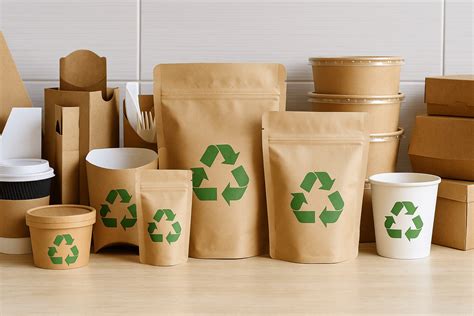
As environmental awareness continues to influence purchasing decisions, eco friendly packaging is becoming an important consideration for businesses across Sydney and beyond. Packaging now has a greater role than simply protecting products during storage and transportation. Material selection, resource efficiency, recyclability and overall design can influence how a product is perceived while supporting more responsible packaging practices. From recyclable bags to thoughtfully designed boxes, modern packaging solutions are helping businesses balance presentation, functionality and environmental considerations.
1. The Changing Role of Packaging
Traditional packaging has primarily focused on keeping products protected from damage, moisture and contamination. While protection remains essential, changing consumer expectations have expanded the purpose of packaging.
Modern packaging can communicate product information, create visual appeal and contribute to the overall customer experience. At the same time, growing awareness of waste and resource consumption has encouraged businesses to consider the environmental impact of packaging materials.
This shift has created greater interest in packaging designs that use materials efficiently without compromising product protection. Thoughtful design can reduce unnecessary components while maintaining the strength and functionality required for different products.
2. Understanding Eco Friendly Packaging
Eco friendly packaging refers to packaging designed with environmental considerations in mind. Depending on the application, this can involve recyclable materials, recycled content, renewable resources, reduced material usage or packaging structures designed to minimise waste.
The right solution depends on the type of product, required protection, transportation conditions and available disposal or recycling pathways. There is no single material that suits every application.
For example, lightweight packaging can help reduce material consumption and transportation weight, while recyclable structures may provide a suitable option where established recycling systems are available. Selecting the right format requires consideration of the entire packaging lifecycle rather than focusing on a single characteristic.
3. Reducing Unnecessary Packaging Waste
Excess packaging can contribute to unnecessary material consumption and increased waste. Efficient packaging design focuses on using an appropriate amount of material to protect the product without adding unnecessary layers or components.
Packaging dimensions can also make a difference. A package designed to fit the product more closely may reduce empty space and improve storage efficiency. Better space utilisation can also help optimise transportation by allowing more products to fit within a shipment.
These considerations demonstrate how packaging design can address environmental and practical requirements at the same time.
4. Flexible Packaging and Sustainable Design
Flexible packaging has gained attention because of its lightweight construction and versatility. Bags and pouches can be designed for a wide range of products, including food, personal care products, household goods and retail items.
When suitable materials are selected, flexible formats can help reduce packaging weight and material usage. Features such as resealable closures can also improve convenience and help protect products after opening.
However, sustainability depends on the specific material structure and its available end-of-life options. Packaging design needs to consider recyclability, product protection and local waste management systems to achieve a practical environmental outcome.
5. The Importance of Material Selection
Material selection is one of the most important aspects of sustainable packaging design. Different products require different levels of protection against moisture, oxygen, light, impact and temperature changes.
Choosing a material simply because it appears environmentally preferable may not always provide the best result. If packaging fails to protect a product and causes the product to be wasted, the overall environmental impact can increase.
A balanced approach considers durability, material efficiency, product shelf life, transportation requirements and disposal options. This helps create packaging that performs effectively while supporting environmental objectives.
6. Consumer Expectations and Product Presentation
Packaging can have a strong influence on how consumers perceive a product. Clean designs, natural finishes and clear environmental information can communicate a commitment to responsible practices.
However, sustainable packaging still needs to maintain an attractive and functional appearance. Customers expect packaging to protect the product while providing convenient handling and useful information.
Combining environmental considerations with strong design can create packaging that feels contemporary without sacrificing practicality. This can be particularly valuable in competitive retail environments where packaging plays an important role in attracting attention.
7. The Future of Sustainable Packaging
The packaging industry continues to evolve as businesses explore new materials, production techniques and design approaches. Developments in recyclable structures, recycled materials, lightweight formats and resource-efficient manufacturing are creating more options for different product categories.
Future packaging solutions are likely to place greater emphasis on lifecycle considerations. Instead of focusing only on the appearance of a package, businesses can evaluate how materials are sourced, how efficiently packaging is produced, how products are transported and what happens after disposal.
This broader approach can support more informed packaging decisions and encourage practical improvements throughout the supply chain.
Conclusion
Packaging has become an important part of both product presentation and environmental responsibility. Efficient designs, appropriate material selection and consideration of recycling and disposal can help reduce unnecessary waste while maintaining product protection and customer convenience. As environmental expectations continue to influence purchasing behaviour and business decisions, eco friendly packaging will remain an important consideration for creating practical, attractive and more responsible packaging solutions.









