Why Does Commercial Hospitality Furniture Matter More Than You Think?
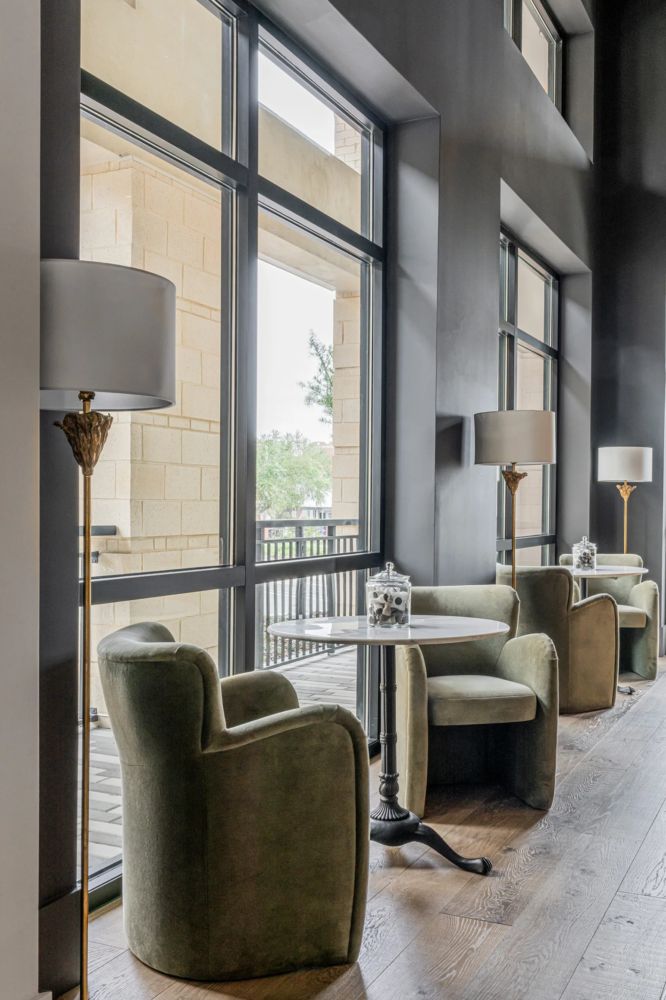
When setting up a venue, furniture is often treated as a finishing touch—but is it actually one of the most important decisions? Choosing the right commercial hospitality furniture can influence customer experience, brand perception, and even daily operations in ways that aren’t always obvious at first.
How Does Furniture Impact First Impressions?
Walk into any café, bar, or hotel, and the furniture is one of the first things noticed. Does the space feel inviting, cramped, luxurious, or casual? These impressions are shaped instantly through seating styles, layouts, and materials.
Well-chosen furniture creates a strong visual identity and sets expectations for service quality. In competitive hospitality environments, that first impression can determine whether customers stay or leave.
Can Furniture Influence Customer Behaviour?
Absolutely. The design and arrangement of furniture can subtly guide how long customers stay and how they interact with the space. Comfortable seating encourages guests to linger, while compact layouts may support quicker turnover.
Table sizes, chair heights, and spacing all contribute to flow and movement. Thoughtful placement can improve accessibility and make service more efficient for staff.
What Role Does Durability Play in Busy Venues?
Hospitality settings demand furniture that can withstand constant use. Chairs are moved frequently, tables endure spills, and surfaces require regular cleaning. Materials like powder-coated metal, commercial-grade timber, and high-performance fabrics are often preferred.
Durability doesn’t just protect the investment—it ensures the venue maintains a polished look over time without frequent replacements or repairs.
Is Flexibility Important in Modern Hospitality Spaces?
Flexibility has become increasingly valuable. Many venues host different types of events or adapt layouts based on demand. Lightweight, stackable, or modular furniture allows for quick changes without disrupting operations.
This adaptability is particularly useful for venues that balance casual dining during the day and more formal settings in the evening.
How Do Trends Shape Furniture Choices?
Hospitality trends evolve quickly, and furniture often reflects these changes. From industrial-style interiors to natural, earthy tones, design choices can influence how relevant a venue feels.
However, chasing trends alone isn’t always practical. A balanced approach—combining timeless pieces with subtle trend elements—helps maintain longevity while keeping the space fresh.
Should Sustainability Be a Priority?
Sustainability is becoming a key consideration across Australia’s hospitality industry. Many businesses are now opting for eco-friendly materials, recycled components, and responsibly sourced timber.
Not only does this reduce environmental impact, but it also appeals to customers who value sustainable practices. Furniture choices can quietly communicate a brand’s commitment to responsible operations.
How Can Budget and Quality Be Balanced?
Budget constraints are a reality for most businesses, but choosing the cheapest option can lead to higher costs over time. Investing in quality pieces that last longer often proves more economical.
Exploring suppliers, comparing materials, and considering lifecycle costs can help strike the right balance between affordability and durability without compromising on design.
Conclusion
Furniture in hospitality spaces is far more than a decorative element—it shapes experiences, supports operations, and reflects brand identity. From influencing customer behaviour to ensuring durability in high-traffic environments, every choice carries weight. Selecting the right commercial hospitality furniture requires careful thought, balancing style, function, and long-term value. A well-planned approach can transform a simple venue into a space that customers remember and return to.