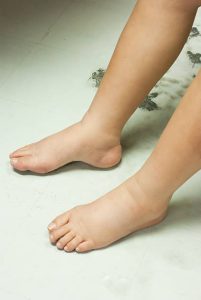
Understanding the Connection Between Cellulitis and Lymphoedema

Swelling, skin infections, and discomfort can significantly affect a person’s daily life and overall wellbeing. Two conditions that are often closely linked are cellulitis and lymphoedema. While they are different medical conditions, they can influence each other and may lead to recurring health concerns if not properly managed. Understanding their connection can help individuals recognise symptoms early and take better care of their skin and lymphatic health.
What Is Lymphoedema?
Lymphoedema occurs when lymph fluid builds up in body tissues due to problems within the lymphatic system. This often causes swelling in the arms or legs and may develop after surgery, injury, infection, or certain medical treatments.
Common symptoms of lymphoedema include:
- Swelling in affected limbs
- A feeling of heaviness or tightness
- Reduced flexibility or movement
- Skin thickening over time
- Discomfort or aching sensations
Without proper management, the condition can gradually worsen and increase the risk of infections.
Understanding Cellulitis
Cellulitis is a bacterial skin infection that affects deeper layers of the skin and surrounding tissues. It can occur when bacteria enter through cuts, scratches, or damaged skin.
Some common signs of cellulitis include:
- Redness and warmth around the skin
- Swelling and tenderness
- Fever or chills in some cases
- Skin pain or sensitivity
- Rapidly spreading inflammation
Medical attention is often important to prevent the infection from becoming more serious.
How Are These Conditions Connected?
The relationship between cellulitis and lymphoedema is significant because each condition can increase the risk of the other.
Lymphoedema can make individuals more vulnerable to cellulitis because swelling may reduce the body’s ability to fight infection effectively. At the same time, repeated cellulitis infections can damage lymphatic vessels and worsen lymphoedema symptoms.
This cycle may lead to:
- Increased swelling
- More frequent infections
- Skin damage and irritation
- Reduced mobility and comfort
Managing both conditions early can help minimise complications and improve quality of life.
Helpful Ways to Support Skin and Lymphatic Health
Daily care and preventive habits can help reduce the likelihood of infections and support lymphatic function.
Some practical tips include:
- Keeping the skin clean and moisturised
- Treating cuts or scratches promptly
- Avoiding skin injuries where possible
- Wearing properly fitted compression garments if advised
- Staying active to support healthy circulation
- Seeking medical advice if swelling or redness worsens
Consistency with these habits can help support long-term management.
Final Thoughts
Understanding the relationship between cellulitis and lymphoedema is important for recognising symptoms early and reducing the risk of ongoing complications. Proper skin care, early treatment of infections, and ongoing management of swelling can help improve comfort and support overall wellbeing. With the right approach and professional guidance when needed, individuals can better manage these conditions and maintain a healthier, more active lifestyle.