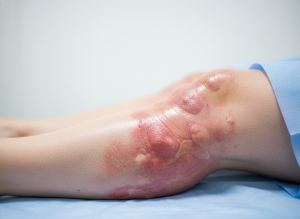
How Can You Prevent Cellulitis In Lymphoedema Effectively?
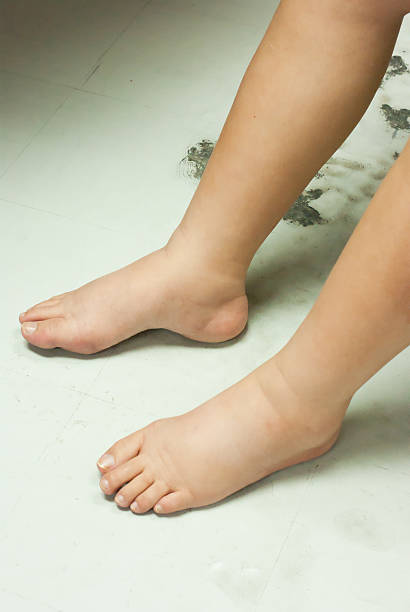
Cellulitis is a serious bacterial skin infection that commonly affects individuals living with lymphoedema. Due to compromised lymphatic drainage, the body becomes more vulnerable to infections, making prevention essential. Therefore, understanding how to prevent cellulitis in lymphoedema is a crucial part of long-term condition management. With the right strategies, individuals can significantly reduce the risk of recurring infections and maintain better overall health.
Why Are People with Lymphoedema at Higher Risk?
Lymphoedema causes fluid build-up in tissues, which creates an ideal environment for bacteria to grow. Additionally, the immune response in affected areas is often reduced.
Key risk factors include:
- Poor lymphatic circulation
- Skin stretching and fragility
- Reduced ability to fight infection locally
- Presence of cracks or wounds in the skin
Because of these factors, even minor injuries can lead to serious infections if not properly managed.
How Important Is Skin Care in Prevention?
Skin care is one of the most critical aspects when aiming to prevent cellulitis in lymphoedema. Healthy, intact skin acts as the first line of defence against bacteria.
Essential skin care practices include:
- Keeping the skin clean and dry
- Moisturising daily to prevent cracks
- Avoiding harsh soaps or chemicals
- Treating cuts and scratches immediately
As a result, maintaining skin integrity significantly lowers infection risk.
Why Should Injuries Be Avoided?
Even small injuries can allow bacteria to enter the skin and cause infection. Therefore, protecting the affected area from harm is vital.
Preventative measures include:
- Wearing protective clothing when needed
- Using gloves during gardening or cleaning
- Avoiding walking barefoot outdoors
- Being cautious with sharp objects
Consequently, reducing exposure to injury helps minimise infection pathways.
How Does Compression Therapy Help?
Compression therapy supports lymphatic flow and reduces fluid accumulation, which lowers the risk of infection.
Benefits of compression include:
- Preventing fluid stagnation
- Improving circulation
- Reducing swelling
- Supporting tissue health
Therefore, consistent use of properly fitted compression garments plays a key role in prevention.
Can Hygiene Practices Reduce Risk?
Good hygiene habits are essential in preventing bacterial growth and spread. Simple daily routines can make a significant difference.
Recommended hygiene practices include:
- Washing hands regularly
- Cleaning affected areas gently
- Keeping nails short and clean
- Avoiding sharing personal items
Because bacteria thrive in unclean environments, maintaining hygiene is a fundamental preventative step.
What Role Does Early Detection Play?
Recognising early signs of infection allows for prompt treatment, which can prevent cellulitis from worsening.
Early warning signs include:
- Redness or warmth in the skin
- Sudden swelling increase
- Pain or tenderness
- Fever or flu-like symptoms
If any of these symptoms appear, seeking medical attention immediately is essential.
How Can Lifestyle Choices Support Prevention?
Healthy lifestyle habits strengthen the body’s ability to resist infection. Therefore, making mindful choices can support overall lymphoedema management.
Helpful habits include:
- Maintaining a healthy weight
- Staying physically active
- Drinking adequate fluids
- Avoiding extreme temperatures
These practices improve circulation and support immune function.
Should You Work with a Specialist?
Yes, professional guidance is highly beneficial. A lymphoedema specialist can provide tailored advice and monitor your condition closely.
Specialist support may include:
- Personalised skin care routines
- Compression garment fitting
- Education on infection prevention
- Ongoing condition monitoring
As a result, patients gain confidence in managing their condition effectively.
What Happens If Cellulitis Keeps Returning?
Recurrent cellulitis may indicate that underlying lymphoedema management needs adjustment. Frequent infections can lead to worsening swelling and tissue damage.
In such cases, a specialist may recommend:
- Adjusted compression therapy
- More intensive lymphatic treatment
- Preventative medical strategies
- Closer monitoring
Therefore, addressing repeated infections early helps prevent long-term complications.
Conclusion
Learning how to prevent cellulitis in lymphoedema is essential for protecting both skin health and overall wellbeing. By maintaining proper hygiene, protecting the skin, using compression therapy, and recognising early warning signs, individuals can significantly reduce their risk of infection. Moreover, combining these strategies with professional guidance ensures a proactive approach to care. Ultimately, effective prevention empowers individuals to manage lymphoedema safely and confidently.