Marble Stone Cleaning: A Practical Guide to Everyday Care
Marble can retain its distinctive appearance for many years, but it needs cleaning methods suited to the characteristics of natural stone. Acidic substances, abrasive materials and unsuitable cleaning products can affect the finish rather than improve it. Effective marble stone cleaning therefore starts with understanding what is on the surface and choosing an appropriate response.
Everyday dirt, spills, stains and etching are different problems. Treating them as though they are the same can lead to unnecessary or ineffective cleaning.
For Everyday Dirt: Keep the Process Simple
Routine maintenance does not usually require aggressive cleaning.
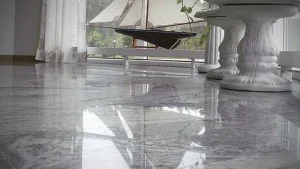
Loose dust and grit should be removed carefully, particularly from marble flooring where abrasive particles can be carried across the surface by footwear.
For routine care:
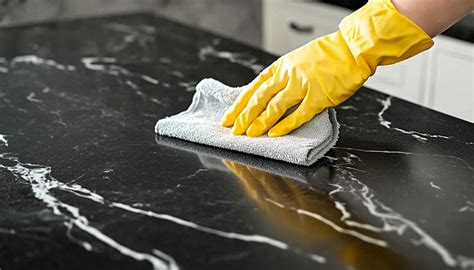
- Use a soft microfibre cloth or suitable soft cleaning equipment
- Remove loose dirt before wet cleaning
- Use a cleaner specifically compatible with marble
- Avoid unnecessarily soaking the surface
- Dry where appropriate to minimise streaking or residue
Always follow the recommendations applicable to the particular marble finish and any existing treatment.
For Fresh Spills: Respond Promptly
Spills are easier to manage before they remain on the marble for an extended period.
Blot liquid rather than spreading it across a larger area. After removing the spill, clean the affected section using a marble-compatible product and dry the surface appropriately.
Particular care should be taken with acidic substances such as citrus juice, vinegar and some foods and beverages because marble is acid-sensitive.
For Stains: Identify the Cause First
A visible mark should not automatically be scrubbed or treated with a homemade mixture.
Effective marble stone cleaning requires distinguishing between a stain and other forms of surface damage. Different contaminants can require different treatment methods, and an unsuitable stain remover may alter the surrounding finish.
If a persistent stain remains after routine cleaning, identify the likely contaminant before choosing a treatment. Where the cause is uncertain, or the marble is valuable, professional assessment may be preferable to repeated experimentation.
For Dull Marks: Consider the Possibility of Etching
A dull or pale mark on marble is not necessarily a stain.
Acid can react with the calcium carbonate in marble and affect the polished finish. This is known as etching. Because the stone itself has been altered, ordinary cleaning may not restore the original appearance.
Significant etching can require refinishing or restoration rather than stronger cleaning products.
Avoid Common Cleaning Mistakes
Some general-purpose household products are inappropriate for marble.
Be cautious with:
- Vinegar
- Lemon-based cleaners
- Abrasive powders
- Harsh scourers
- Cleaning products not approved for natural stone
Natural or homemade does not automatically mean marble-safe. Product compatibility is more important than whether a cleaner is marketed as strong, gentle or environmentally friendly.
What About Marble in Kitchens and Bathrooms?
Different locations expose marble to different contaminants.
Kitchen marble may encounter food, oils and acidic liquids, while bathroom surfaces can develop soap residue and be exposed to personal-care products. Floors are more likely to encounter grit and abrasive particles.
The cleaning method should therefore reflect both the marble finish and the type of contamination present.
Does Marble Need to Be Sealed?
Some marble installations may benefit from an appropriate penetrating sealer, particularly where reducing liquid absorption is desirable. However, sealing requirements vary according to the stone, finish, location and product.
A sealer does not make marble maintenance-free or necessarily protect it from acid etching.
Rather than automatically resealing according to a generic six- or twelve-month schedule, follow the recommendations applicable to the specific stone and sealing product.
When Is Professional Cleaning Worth Considering?
Professional assistance may be appropriate when normal maintenance no longer produces the desired result.
Examples can include:
- Persistent staining
- Significant etching
- Deep scratches
- Uneven or deteriorated finishes
- Large marble floor areas
- Uncertainty about previous surface treatments
Professional restoration may involve processes beyond ordinary cleaning, depending on the condition of the marble.
Keep Marble Care Appropriate to the Problem
Successful marble stone cleaning is less about using stronger products and more about identifying what the surface actually needs. Routine dirt may require simple cleaning, while staining, etching and physical damage can demand completely different treatments.
Using marble-compatible products, responding quickly to spills and avoiding aggressive DIY remedies can help preserve the natural stone without subjecting it to unnecessary treatment.
FAQs
Can vinegar be used to clean marble?
No. Vinegar is acidic and can react with marble, potentially causing etching or dull areas.
Is a dull mark on marble always a stain?
No. It may be etching, particularly if the area has been exposed to an acidic substance.
Does marble need to be sealed regularly?
There is no universal schedule. Requirements depend on the stone, application, existing treatment and sealer manufacturer’s guidance.
Can ordinary household cleaners be used on marble?
Only if they are confirmed as compatible with marble. General-purpose cleaners may contain ingredients unsuitable for acid-sensitive natural stone.