
Understanding Marble Grinding and Polishing for Long-Lasting Surfaces
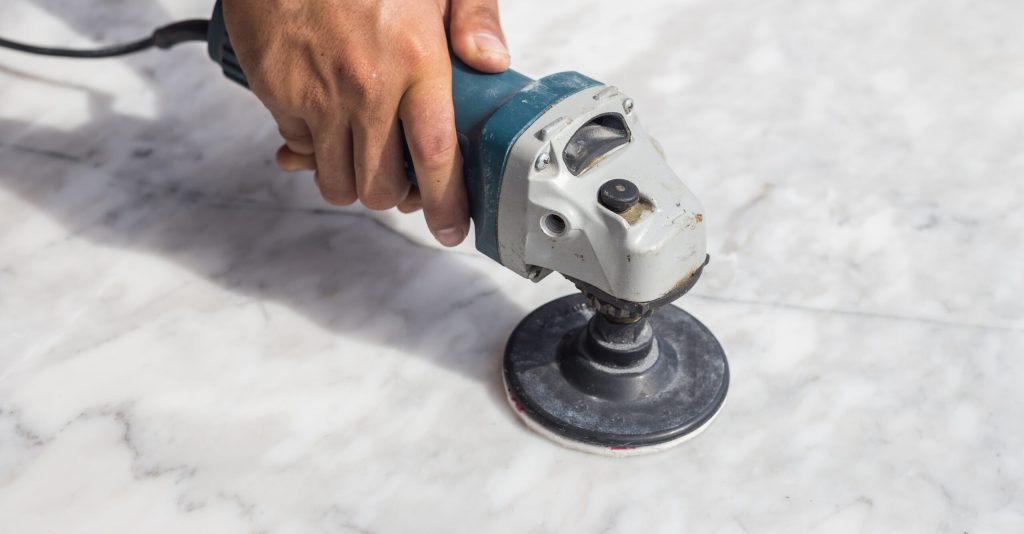
Marble is widely valued for its elegant appearance and durability, making it a preferred choice for flooring, countertops, and interior surfaces. Over time, however, marble can develop scratches, stains, uneven textures, and dullness due to constant use. Marble grinding and polishing is an effective process used to restore the original finish and improve the overall condition of the surface.
Marble grinding and polishing involves multiple steps designed to remove surface imperfections and bring back a smooth, refined look. Grinding is the first stage, where abrasive tools are used to eliminate deep scratches, stains, and uneven layers. This process helps level the surface and prepares it for further refinement. It is particularly useful for floors that have become rough or worn out over time.
After grinding, the surface undergoes honing. Honing uses finer abrasives to smooth the stone and remove any marks left by the grinding process. This stage creates a consistent texture and prepares the marble for polishing. The level of honing depends on the condition of the surface and the desired finish.
Polishing is the final step in marble grinding and polishing. It involves using specialized polishing compounds and pads to enhance the natural shine of the marble. This step brings out the color and pattern of the stone, resulting in a clean and glossy appearance. Depending on preference, the finish can range from a high-gloss shine to a more subtle satin or matte look.
One of the key benefits of marble grinding and polishing is its ability to restore damaged surfaces without the need for replacement. Instead of installing new marble, the existing surface can be improved and extended in terms of lifespan. This makes it a practical solution for both residential and commercial properties.
Proper equipment and techniques are essential in marble grinding and polishing. Different types of marble require specific handling methods, as each stone has unique characteristics. Using incorrect tools or excessive pressure can cause further damage, making professional expertise important for achieving effective results.
Maintenance plays a crucial role in preserving the outcome of marble grinding and polishing. Regular cleaning with pH-neutral products helps maintain the shine and prevents damage caused by harsh chemicals. It is also advisable to avoid dragging heavy objects across marble surfaces, as this can lead to scratches.
Sealing the marble surface after polishing is another important step. A high-quality sealant reduces the stone’s porosity, helping to protect it from stains and moisture. While sealing does not completely prevent damage, it adds a protective layer that makes maintenance easier.
Marble grinding and polishing is suitable for a variety of applications, including homes, offices, hotels, and retail spaces. High-traffic areas especially benefit from periodic restoration, as they are more likely to experience wear and tear. Regular care ensures that the marble maintains a consistent and appealing appearance.
The frequency of marble grinding and polishing depends on usage and environmental conditions. Areas exposed to heavy foot traffic or frequent spills may require more regular attention. Monitoring the condition of the surface helps determine when restoration is needed.
Conclusion
Marble grinding and polishing is an essential process for maintaining the quality and appearance of marble surfaces. By removing imperfections and restoring shine, it enhances both durability and visual appeal. With proper care, timely maintenance, and the right techniques, marble surfaces can retain their elegance and functionality for many years, making them a lasting feature in any space.









