Dent Removal in Campbelltown: From Inspection to Finished Panel
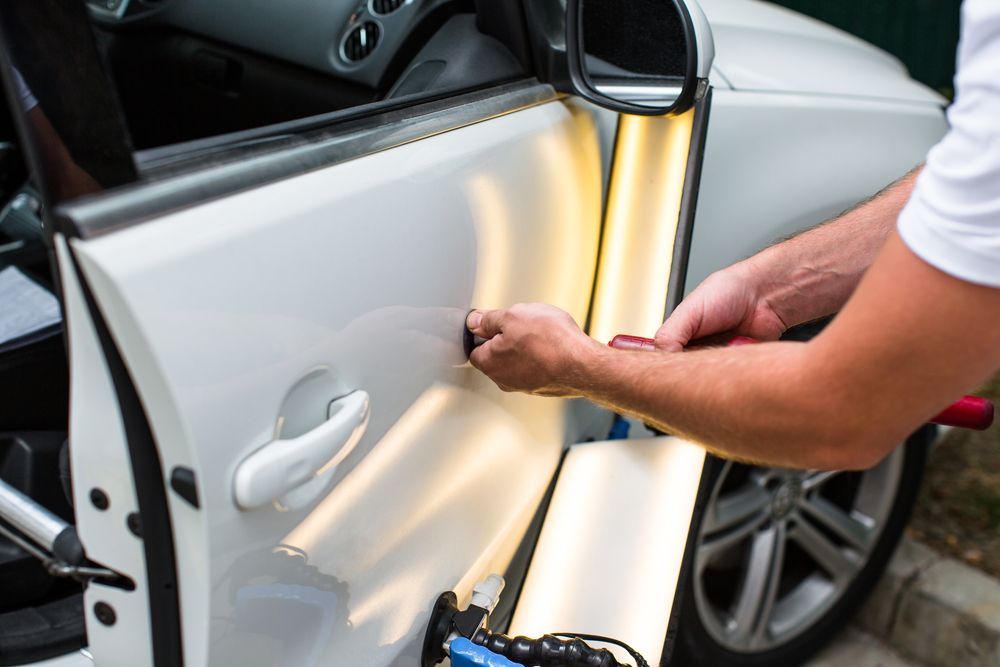
A dent can affect a vehicle’s appearance without immediately showing whether the paint or underlying panel has been damaged. Planning dent removal in Campbelltown starts with a close inspection of the impact and the area behind it. The repair method should reflect the panel’s material, shape and finish, rather than using the same technique for every mark.
Prepare for an accurate inspection
Clean, well-lit panels are easier to assess because dirt and reflections can hide small creases or paint cracks. The technician may inspect the dent from different angles and check access through trim or the wheel arch. Share how the impact occurred if known, since the force and direction can affect surrounding parts.
- Note when the dent happened and whether the vehicle has been repaired before.
- Identify any paint chips, scratches, broken clips or loosened trim near the impact.
- Check whether doors, boot lids or other moving parts still open and close normally.
- Photograph the area before repair, particularly if an insurer is involved.
Choose between reshaping and refinishing
If the paint is intact and the metal is not overstretched, a paintless technique may be considered. A deep crease, sharp edge or cracked coating may need conventional panel work and paint refinishing. A technician should explain why a chosen method is suitable and what the likely visible result will be.
- Ask whether the paint surface has been checked under suitable lighting.
- Confirm if access is available behind the dent or whether another technique is needed.
- Discuss how colour and texture will be matched if repainting is required.
- Review any prior filler or coating that could affect the repair.
Understand what may be removed or protected
Accessing a dent can require removal of a wheel-arch liner, trim, door card or lamp. Each component should be refitted with sound clips and seals. Modern vehicles may have wiring or sensors close to a panel, so a repair plan should account for them before tools are used.
- Ask which trim pieces or interior panels need to be removed.
- Confirm how sensors, cameras and wiring will be protected.
- Keep fasteners and clips organised to avoid rattles after reassembly.
- Check panel gaps and water seals where doors or boot sections were accessed.
Review the panel before accepting the repair
Inspect the repaired area in natural and workshop light. Compare the surface from different angles and check that trim sits evenly. If the panel was refinished, look at colour transition, texture and any visible edge in the coating.
- Confirm the dent is no longer visible in normal viewing conditions.
- Operate nearby doors, bonnet or boot and check for contact or unusual noise.
- Look for loose trim, damaged seals or warning messages after reassembly.
- Keep the repair record and ask about any follow-up required.
Keep the repair scope and record clear
A written repair record helps distinguish panel reshaping from refinishing or component replacement. It is useful if a later issue appears or if the vehicle needs work in the same area again. Where an insurer is involved, follow its process for approval and retain updated documentation if hidden damage changes the repair scope.
- Note which panels were repaired, refinished or replaced.
- Keep before-and-after photographs and any relevant inspection notes.
- Confirm how additional damage found during disassembly was authorised.
- Store any warranty or aftercare instructions with the vehicle documents.
Preserve the finish afterwards
Follow any guidance about washing or polishing after refinishing, since coatings may need time to cure. Avoid abrasive products until the technician confirms they are suitable.
- Keep the vehicle away from harsh cleaners during any stated curing period.
- Use a soft cloth and products appropriate for the repaired finish.
- Avoid sticking accessories over freshly refinished paint unless advised.
- Report any bubbling, peeling or new moisture at the repair edge.
Careful inspection and method selection help preserve the panel and its finish. A clear handover makes it easier to understand what was repaired. These steps inform dent removal in Campbelltown.