Pool and Table Tennis Table: Creating a Versatile Indoor Entertainment Space
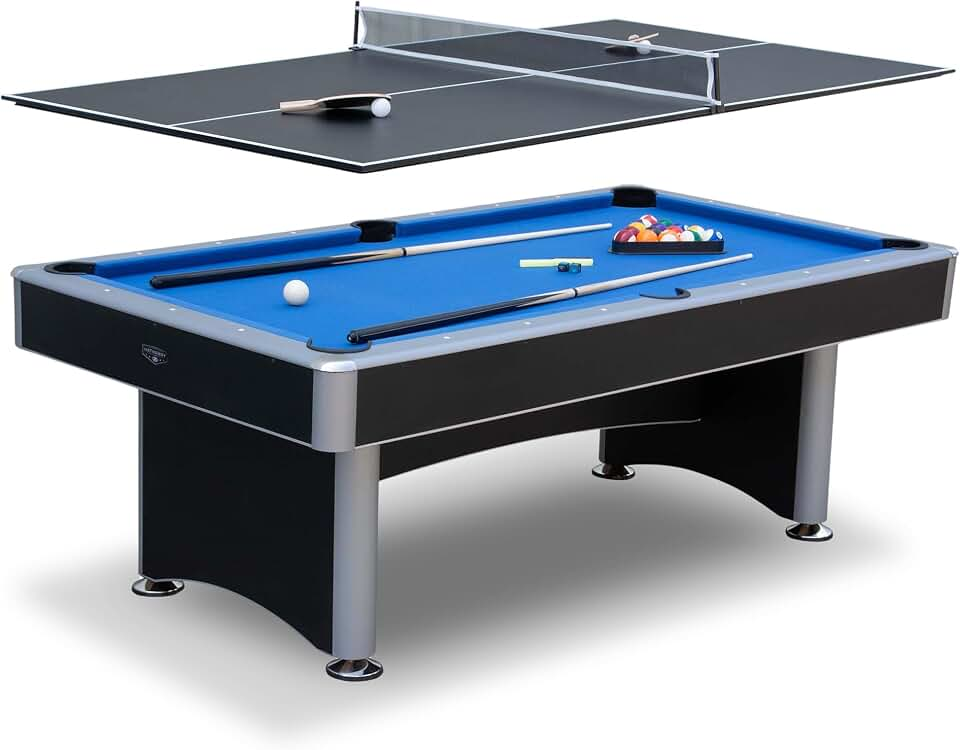
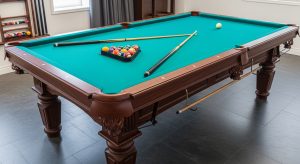
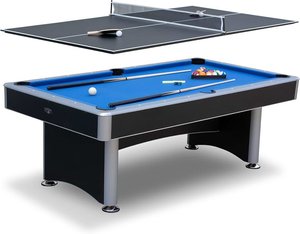
Creating an enjoyable indoor entertainment area is a great way to bring family members, friends and guests together. Modern recreational spaces often include activities that combine physical engagement with friendly competition. A Pool and table tennis table setup offers an excellent way to enjoy two popular indoor games while making entertainment spaces more functional. Whether installed in a home game room, office recreation area or community facility, these games provide opportunities for social interaction, skill development and enjoyable leisure time.
Understanding Pool and Table Tennis Games
Pool and table tennis are two different recreational sports that offer engaging playing experiences. Pool involves using a cue to strike numbered or coloured balls across a felt-covered table, aiming to complete specific objectives according to the game’s rules.
Table tennis, on the other hand, is played using small paddles and a lightweight ball across a divided playing surface. Participants hit the ball over a central net, attempting to make it difficult for their opponents to return.
Both activities require concentration, coordination and strategic thinking, making them suitable for casual players and competitive enthusiasts.
Important Features to Consider When Choosing a Table
Selecting suitable recreational equipment requires attention to construction, dimensions and playing quality.
1. Construction and Stability
A sturdy frame is important for maintaining stability during gameplay. Strong materials, reliable support structures and quality fittings contribute to the overall durability of recreational tables.
2. Playing Surface Quality
The playing surface directly influences the gaming experience. Pool tables require a consistent surface that supports smooth ball movement, while table tennis surfaces should provide reliable ball bounce.
3. Suitable Dimensions
Available floor space should be considered before choosing either type of table. Pool requires additional clearance for cue movement, while table tennis needs enough surrounding space for players to move comfortably.
4. Storage and Accessibility
Consider how accessories such as cues, balls, paddles and nets will be stored. Organised storage helps keep the entertainment area neat and makes equipment easier to access.
Benefits of Indoor Recreational Games
Indoor games offer several advantages beyond entertainment.
Encourages Physical Activity: Table tennis involves regular movement, quick reactions and coordination. Pool also encourages controlled movements and body positioning.
Develops Concentration: Both games require players to observe their surroundings, plan their next move and maintain focus.
Promotes Social Interaction: Recreational games create opportunities for family members, friends and colleagues to spend quality time together.
Supports Friendly Competition: Playing against others encourages patience, sportsmanship and strategic decision-making.
Provides Indoor Entertainment: These activities can be enjoyed regardless of outdoor weather conditions, making them suitable for year-round recreation.
Creating a Functional Entertainment Area
A well-organised gaming room can make indoor recreation more enjoyable. When planning a space for pool and table tennis, consider the dimensions of each table and the movement requirements of players.
Good lighting is important for visibility, while suitable flooring can provide a comfortable playing environment. Seating arrangements, accessory storage and sufficient walking space can also improve the overall layout.
For smaller spaces, convertible or multifunctional recreational furniture may provide an alternative to installing separate full-sized tables. However, buyers should consider the playing requirements and dimensions before selecting a combination design.
Maintenance Tips for Long-Term Use
Regular maintenance helps preserve the condition and performance of recreational equipment.
- Clean Playing Surfaces: Remove dust and debris to maintain consistent gameplay.
- Inspect Table Frames: Check legs, joints and fittings periodically for stability.
- Maintain Pool Accessories: Keep cues straight and store balls properly.
- Care for Table Tennis Equipment: Clean paddles and inspect the net and playing surface regularly.
- Protect Equipment: Avoid excessive moisture, direct sunlight and unnecessary impacts.
Conclusion
Pool and table tennis provide enjoyable indoor recreational experiences that combine entertainment, concentration and friendly competition. Both games can enhance homes, offices and dedicated gaming spaces by creating opportunities for social interaction and skill development. By considering construction quality, playing dimensions, surface performance and maintenance requirements, buyers can choose suitable equipment for their recreational needs. A thoughtfully arranged entertainment area can encourage people to spend more time together while enjoying these classic indoor games.