How Can Pest Control In Melton Help Keep Your Home Safe And Pest-Free?
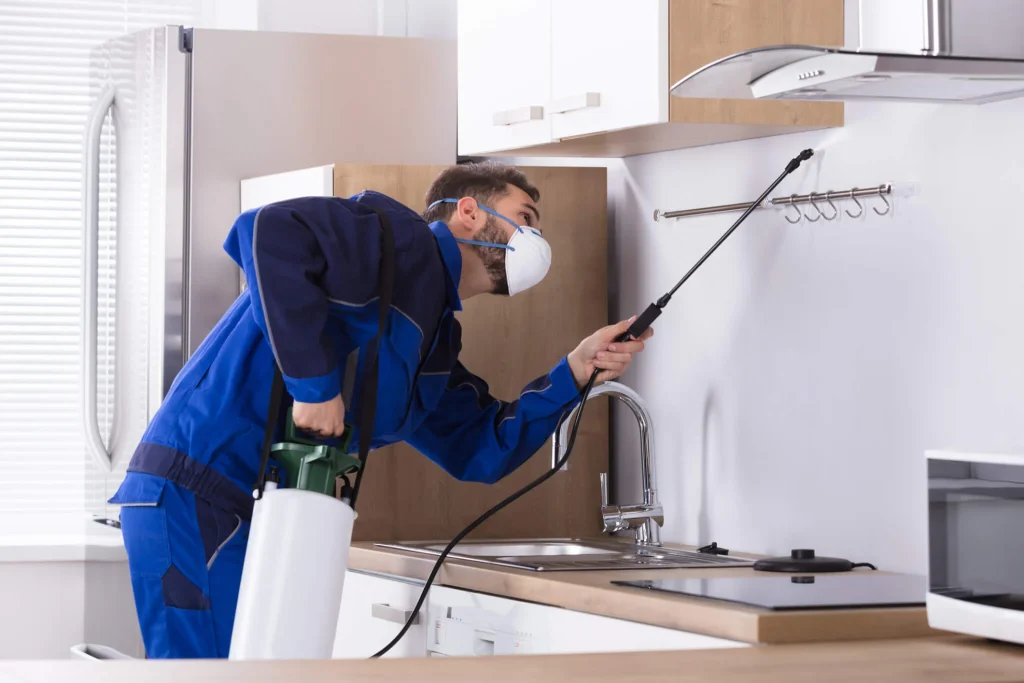
Pests can quickly become a problem in residential and commercial properties, especially when they find easy access to food, water and shelter. From ants and cockroaches to spiders, rodents and termites, unwanted pests can affect hygiene, damage belongings and create an uncomfortable living environment. Identifying pest activity early and taking appropriate steps can help prevent a minor issue from becoming a larger infestation.
Professional pest control in Melton provides a practical approach to identifying, managing and preventing common pest problems. With suitable treatment methods and regular property maintenance, homeowners and business owners can maintain cleaner and healthier surroundings throughout the year.
Why Is Pest Control Important for Homes and Businesses?
Pests are more than just an inconvenience. Some insects can contaminate food and surfaces, while rodents may chew electrical wires, damage insulation and affect stored items. Termites can also cause significant structural damage if their activity goes unnoticed.
Taking pest prevention seriously helps protect the property and the people living or working inside it. Regular inspections can identify early signs of infestation, allowing suitable treatment to be arranged before the problem spreads.
For businesses such as restaurants, offices, warehouses and retail stores, pest activity can also affect cleanliness, customer confidence and daily operations.
What Are the Most Common Pests Found in Melton?
Different pests can enter properties for different reasons. Understanding the common types can help property owners recognise potential problems.
Cockroaches
Cockroaches are commonly attracted to food scraps, moisture and warm hiding places. They often stay in kitchens, cupboards, bathrooms and storage areas. These insects can spread bacteria by moving across food preparation surfaces and contaminated areas.
Keeping kitchen spaces clean, storing food properly and fixing water leaks can reduce the conditions that attract cockroaches.
Ants
Ants frequently enter homes in search of food and water. Even small amounts of spilled drinks, crumbs or uncovered food can attract them. Once ants discover a reliable food source, they may create visible trails leading into kitchens, pantries and other rooms.
Cleaning affected surfaces and sealing entry points can help reduce ant activity.
Spiders
Spiders often enter properties through small openings, windows and gaps around doors. They may settle in garages, sheds, roof spaces and quiet corners where insects are available as food.
Removing webs, reducing insect activity and keeping storage areas organised can make properties less attractive to spiders.
Rodents
Mice and rats can enter buildings through small openings while searching for food, water and shelter. They may damage packaging, contaminate stored food and chew electrical cables or other materials.
Signs of rodent activity include droppings, scratching sounds, damaged packaging and gnaw marks.
Termites
Termites are particularly concerning because they can damage timber structures and wooden fittings. Their activity may remain hidden for long periods, making regular inspections important.
Warning signs include hollow-sounding timber, damaged wooden surfaces, mud tubes and discarded wings near windows or doors.
What Causes Pest Infestations in Residential Properties?
Several environmental and household conditions can encourage pests to settle inside a property.
Common causes include:
- Uncovered food and poorly maintained kitchen areas.
- Standing water and leaking pipes.
- Open windows and damaged door seals.
- Cracks in walls, floors and foundations.
- Unorganised storage spaces and accumulated clutter.
- Unsealed rubbish bins and overflowing waste.
- Overgrown gardens and vegetation close to buildings.
Addressing these conditions can reduce pest activity and make it harder for insects and rodents to establish themselves.
How Does Professional Pest Control Work?
Professional pest management generally begins with an inspection of the affected property. The purpose is to identify the pest species, understand the extent of the infestation and locate possible entry points or nesting areas.
Based on the findings, a suitable treatment plan can be recommended.
Property Inspection
An inspection helps identify visible pest activity, possible nesting areas and environmental conditions that may contribute to infestation. Depending on the pest, professionals may examine kitchens, bathrooms, roof spaces, gardens, garages and other affected locations.
Choosing Suitable Treatment Methods
Different pests require different management approaches. Treatment may involve targeted insecticides, baiting systems, monitoring equipment, exclusion methods or other suitable solutions.
The treatment selected should consider the pest species, property conditions and the presence of children, pets or sensitive areas.
Preventive Recommendations
Effective pest management also involves reducing the conditions that attract pests. Recommendations may include sealing gaps, improving ventilation, managing moisture, maintaining gardens and storing food securely.
Following these suggestions can help reduce the possibility of recurring infestations.
How Can You Prevent Pests from Returning?
Prevention plays an important role in maintaining a pest-free environment. Simple maintenance habits can make a noticeable difference.
Here are some practical steps property owners can follow:
- Clean food preparation areas regularly and remove crumbs after meals.
- Store groceries in sealed containers.
- Empty rubbish bins frequently and keep their lids closed.
- Repair leaking taps, pipes and other sources of moisture.
- Seal cracks and gaps around doors, windows and utility openings.
- Keep gardens maintained and remove unnecessary vegetation near walls.
- Avoid storing cardboard boxes and unused items for extended periods.
- Check roof spaces, garages and storage areas for signs of pest activity.
These habits help create an environment that is less attractive to common household pests.
When Should You Contact a Pest Control Professional?
Some minor pest problems may be managed through basic cleaning and preventive measures. However, professional assistance may be necessary when infestations continue despite regular cleaning or when pests begin affecting multiple areas of the property.
Consider arranging an inspection if you notice repeated cockroach sightings, large ant trails, rodent droppings, termite damage or increasing spider activity.
Professional advice is also useful when the pest species is difficult to identify or when treatment requires specialised equipment and handling procedures.
Frequently Asked Questions
How often should a property receive pest inspections?
Inspection frequency depends on the property’s condition, surrounding environment and history of pest activity. Properties with previous infestations or higher exposure may benefit from more frequent inspections.
Are pest treatments safe for children and pets?
Treatment safety depends on the products and methods used. Property owners should inform the technician about children, pets and sensitive areas before treatment. Always follow the professional’s instructions regarding preparation, access restrictions and re-entry times.
What attracts pests inside a home?
Food scraps, uncovered groceries, moisture, rubbish, clutter and accessible entry points are common factors. Removing these attractants can help reduce the chances of infestation.
Can pests return after professional treatment?
Yes. Pests may return if entry points remain open or environmental conditions continue to attract them. Preventive maintenance and suitable follow-up inspections can help manage recurring activity.
Does every pest require a different treatment?
Yes. Cockroaches, ants, termites, spiders and rodents have different behaviours and nesting habits. Identifying the pest correctly helps determine the most appropriate management method.
Conclusion
Maintaining a clean and comfortable property requires more than occasional cleaning. Understanding common pest problems, recognising early warning signs and addressing conditions that attract insects and rodents can help prevent serious infestations. Combining regular maintenance with professional inspections and appropriate treatment methods helps protect residential and commercial properties. With the right preventive approach, property owners can maintain healthier surroundings and reduce the risk of recurring pest issues.