How Can Wall Socket Power Use Affect Your Home’s Electricity Consumption?
Managing household electricity consumption starts with understanding how everyday electrical appliances operate. From charging mobile phones to running kitchen equipment, every connected device contributes to overall energy usage. Understanding wall socket power use helps homeowners recognise how different appliances consume electricity, identify unnecessary energy wastage and make better decisions about electrical efficiency. Developing good electricity habits also supports a safer and more energy-conscious home.
What Is Electricity Consumption Through Wall Sockets?
Electrical outlets provide the connection between household appliances and the electricity supply. When an appliance is plugged in and switched on, it draws the electrical energy required to perform its function.
Different appliances require different amounts of electricity depending on their design, capacity and operating requirements. For example, a refrigerator needs electricity throughout the day, while a phone charger generally operates for shorter periods.
Understanding how electricity flows through household outlets helps homeowners become more aware of their energy consumption and identify opportunities to improve efficiency.
What Factors Influence Household Electricity Consumption?
Electricity consumption depends on several factors, including appliance performance, usage habits and electrical requirements.
Appliance Power Requirements
Every electrical appliance has specific power requirements. High-powered equipment, such as air conditioners, electric heaters and clothes dryers, generally consumes more electricity than smaller electronic devices.
Checking appliance specifications can help homeowners understand their energy requirements before purchasing or operating electrical equipment.
Duration of Appliance Usage
How long an appliance operates also affects electricity consumption. Devices that remain switched on for extended periods generally use more energy than those operated occasionally.
Turning off equipment when it is not required is a simple way to avoid unnecessary electricity usage.
Standby Electricity Consumption
Some electronic devices continue drawing electricity even when they appear to be switched off. This is known as standby power consumption.
Televisions, gaming consoles, computers and microwave ovens may use electricity to maintain internal settings, clocks or remote-control functions.
Unplugging suitable devices when they are not required can help minimise unnecessary energy consumption.
How Can You Reduce Electricity Usage at Home?
Improving household energy efficiency does not always require major electrical upgrades. Making practical changes to everyday habits can help reduce unnecessary consumption.
Switch Off Unused Appliances
Leaving appliances running when they are not needed can contribute to avoidable electricity usage. Switch off televisions, computers, lights and other equipment when they are not being used.
Unplug Unnecessary Chargers
Chargers and adapters may consume standby electricity while connected to a power supply. Disconnecting unused charging accessories helps minimise unnecessary energy wastage.
Select Energy-Efficient Appliances
When purchasing new appliances, consider their energy efficiency ratings, operating requirements and expected electricity consumption. Energy-efficient products are designed to perform everyday tasks while managing power requirements effectively.
Use Suitable Power Boards
Power boards with individual switches make it easier to control connected appliances. They can also help organise electronic equipment in entertainment areas and home offices.
Always check the rated capacity and avoid connecting too many high-powered appliances to a single power board.
Monitor Your Electricity Usage
Smart energy monitors and compatible electricity meters help homeowners understand which appliances consume the most energy. Monitoring usage makes it easier to identify unnecessary consumption and improve everyday energy habits.
What Types of Electrical Wall Sockets Are Available?
Electrical outlets are available in different designs to support various household requirements. Choosing an appropriate outlet depends on the intended application, electrical compatibility and installation environment.
Common options include:
Standard Power Outlets
Standard outlets provide electrical connections for everyday household appliances, including televisions, lamps and kitchen equipment.
USB Power Outlets
USB-integrated outlets provide convenient charging options for compatible smartphones, tablets and other electronic devices without requiring separate charging adapters.
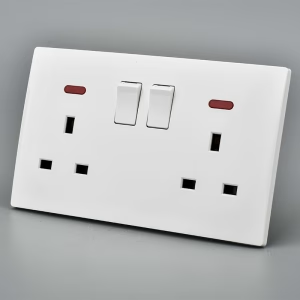
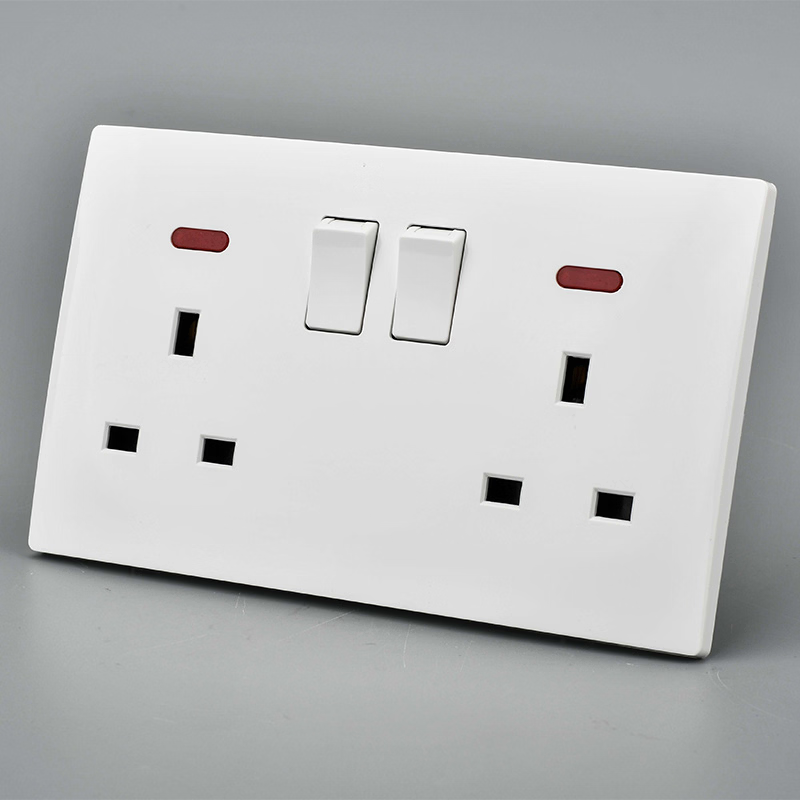
Double Power Outlets
Double outlets allow users to connect multiple compatible appliances in the same location. They are commonly installed in bedrooms, kitchens, living areas and home offices.
Weather-Resistant Outlets
Weather-resistant electrical outlets are designed for suitable outdoor environments. Their protective construction helps provide additional protection against environmental conditions when correctly selected and installed.
Smart Electrical Outlets
Smart outlets offer additional control features, allowing compatible appliances to be managed through connected applications or smart home systems.
Important Electrical Safety Practices for Homeowners
Electricity management should always include appropriate safety precautions. Incorrectly used outlets and damaged electrical accessories can create serious hazards.
Avoid Overloading Outlets
Connecting several high-powered appliances to one outlet or power board can cause overheating. Always follow the manufacturer’s electrical capacity recommendations.
Check for Visible Damage
Loose fittings, cracked outlet covers, burn marks and unusual sounds may indicate an electrical problem. Stop using affected outlets and arrange an inspection by a licensed electrician.
Choose Compatible Electrical Accessories
Always use plugs, adapters and power boards suitable for Australian electrical requirements. Poor-quality or incompatible accessories may increase electrical safety risks.
Arrange Professional Electrical Installation
Electrical installation and repair work should be completed by appropriately licensed electricians in Australia. Avoid attempting DIY electrical repairs, particularly when internal wiring is involved.
How Do You Choose the Right Electrical Socket for Your Home?
Choosing suitable outlets requires consideration of the room layout, appliance requirements and everyday usage.
For living rooms, homeowners may prefer outlets that accommodate televisions, entertainment systems and charging accessories. Kitchens require carefully planned outlet placement to support frequently used appliances while maintaining safe distances from water sources.
Home offices may benefit from outlets that support computers, monitors and other electronic equipment. USB-integrated options can also provide additional charging convenience.
When comparing wall socket power options, consider product quality, electrical ratings, Australian compliance requirements and installation suitability. Consulting a licensed electrician helps ensure the selected outlet meets the property’s electrical needs.
Frequently Asked Questions
Do Electrical Sockets Consume Electricity When Not in Use?
A standard electrical socket does not generally consume electricity simply because an appliance is not connected. However, smart outlets and certain electronic accessories may draw small amounts of standby power.
Why Do Some Appliances Consume Electricity When Switched Off?
Some appliances remain in standby mode to maintain internal functions, remote-control connectivity or programmed settings. These features may continue using electricity even when the appliance appears switched off.
How Can I Identify Appliances That Consume More Electricity?
Check the appliance’s energy rating and manufacturer specifications. Suitable energy-monitoring devices can also help measure electricity consumption and identify energy-intensive equipment.
Are USB Power Outlets Useful for Modern Homes?
USB outlets provide convenient charging connections for compatible electronic devices. They can reduce the need for separate charging adapters and help keep household charging areas organised.
Is It Safe to Connect Multiple Appliances to One Outlet?
It depends on the outlet’s rated capacity and the combined electrical requirements of the connected appliances. Avoid overloading outlets and power boards, particularly when using high-powered equipment.
Conclusion
Managing household electricity consumption involves understanding appliance requirements, choosing suitable electrical outlets and developing responsible energy habits. Switching off unused devices, selecting energy-efficient equipment and monitoring electricity usage can help minimise unnecessary power consumption.
Homeowners should also prioritise electrical safety by avoiding overloaded outlets, checking for damaged accessories and arranging professional installations. With the right electrical products and everyday practices, maintaining an efficient and functional home electrical system becomes easier.