Add Architectural Elegance To Your Property With Curved Double Glazing
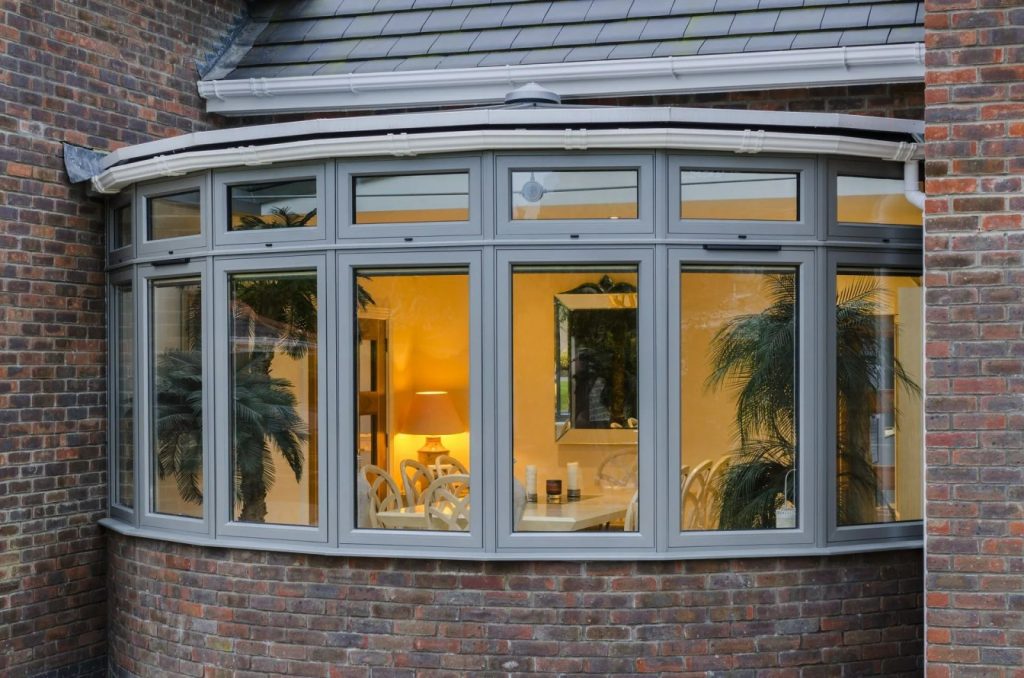
Modern architecture increasingly combines creative shapes with practical building performance. Curved glass is an excellent way to introduce distinctive design features while allowing natural light to flow through interior spaces. Curved double glazing takes this concept further by combining a shaped glass design with an insulating double-glazed construction, offering an appealing option for residential and commercial projects.
What Is Curved Double Glazing?
Curved double glazing consists of two glass panes separated by a sealed cavity, with the glass formed into a curved shape to suit a specific architectural design. The space between the panes is typically filled with air or an insulating gas, depending on the glazing specification.
Unlike standard flat glazing, curved units require specialised manufacturing processes to achieve the desired shape while maintaining the required dimensions and performance.
These glazing systems can be designed for different architectural applications, including curved windows, feature façades and distinctive building entrances.
Key Benefits Of Curved Double Glazed Glass
Choosing curved glazing can offer several design and functional advantages:
- Distinctive appearance: Curved glass creates smooth architectural lines and adds visual interest.
- Thermal performance: The insulated cavity can help reduce heat transfer compared with single glazing.
- Natural lighting: Large glazed sections can allow more daylight into selected areas.
- Design flexibility: Custom shapes can complement contemporary and complex building designs.
- Noise reduction: Suitable double-glazed configurations can help reduce external noise, depending on the glass specification and installation.
Actual performance depends on the glass type, cavity design, frame system and overall installation quality.
Where Can Curved Double Glazing Be Used?
Curved glazing is suitable for a variety of architectural projects where standard rectangular glass may not achieve the desired appearance.
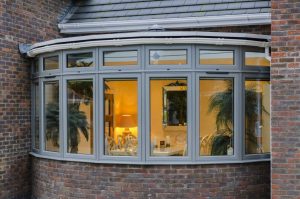
In residential properties, it can be used for feature windows, curved bay windows and selected living areas. Commercial applications may include building façades, reception spaces, shopfronts and architectural feature structures.
It can also be incorporated into bespoke projects where designers want to create a seamless transition between different building elements.
Important Factors Before Choosing Curved Glass
Custom curved glazing requires careful planning and accurate measurements. The radius, dimensions, glass thickness and intended application should be established before manufacturing begins.
It is also important to consider thermal requirements, safety glazing specifications, frame compatibility and installation conditions. Depending on the location and building design, additional considerations such as solar control, acoustic performance and structural loading may apply.
Working with an experienced glazing specialist can help ensure the selected unit is suitable for the project and complies with relevant building requirements.
Find The Right Glazing Solution For Your Project
Curved glazing can bring a unique architectural character to a building while offering the practical advantages of an insulated glass system. From distinctive residential windows to contemporary commercial façades, the right specification can support both appearance and performance.
Explore curved double glazing options with a specialist to discuss custom dimensions, glass configurations and installation requirements for your next project.