Getting Great Results at Home or in the Salon With Hair Colour
Whether you are a stylist or someone who enjoys colouring hair at home, good preparation makes the result better. If you are looking into Fanola hair colour, this guide covers shade selection, preparation and aftercare so your colour looks even, vibrant and as close as possible to what you planned.
Understand Your Starting Point
Your current hair colour and condition affect the final result. Previously coloured hair, grey coverage and lighter or darker bases all behave differently. Take a clear look at your roots, lengths and ends, and think about how each section will respond before you choose a shade or mix anything.
Choose the Right Shade
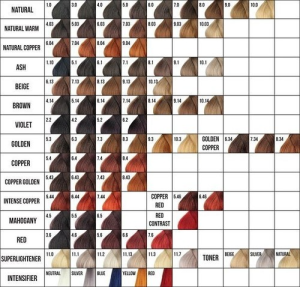
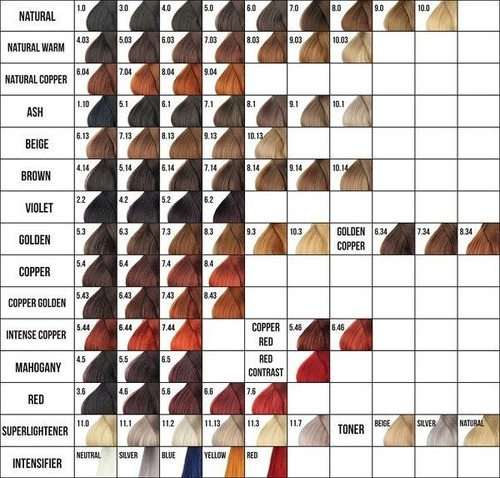
Look at the shade chart carefully and consider your skin tone and the effect you want. Natural tones tend to look softer, while fashion shades are bolder. If you are unsure, speak to a professional or choose a shade close to your current colour, because small changes are easier to manage.
Do a Patch and Strand Test
Before applying any hair colour, follow the manufacturer’s instructions for testing. A skin test checks for sensitivity, and a strand test shows how the colour will look on your hair. Allow the full recommended time for testing, because skipping this step can lead to unwelcome surprises.
Prepare Your Tools
Have everything ready before you start: a non-metallic bowl, a brush, gloves, clips, a towel and a timer. Section your hair neatly so you can apply colour evenly. Good preparation makes the process calmer and helps you stay on schedule once the colour is mixed.
Follow the Mixing Directions
Always read the label and mix exactly as directed. The right developer and ratio matter for both coverage and hair health. Measure carefully rather than guessing, apply to dry or damp hair as instructed and keep a watch on the timer so you do not leave the colour on for too long.
Look After Your Colour
After colouring, use shampoo and conditioner designed for coloured hair and avoid very hot water. Limit heat styling where you can and protect your hair from strong sun. A weekly treatment can help keep the hair feeling soft and the colour looking fresh.
Know When to Seek Help
Some jobs are better left to a professional, such as dramatic colour changes, correcting uneven colour or working on heavily damaged hair. A stylist can plan the process, protect your hair and fix problems before they become bigger. It is always sensible to ask for advice.
Store Leftover Product Safely
Mixed colour should not be stored, but unopened tubes and bottles should be kept in a cool, dry place with the lids closed tightly. Check the label for storage guidance and note the opening date on anything you start. Good storage helps products stay consistent and ready for your next colouring session.
Final Thoughts
Beautiful colour comes from preparation, patience and careful following of directions. Choose a shade that suits you, test before you start and care for your hair afterwards. If you ever feel unsure, a professional is a great source of guidance.