How Can A Job Ready Program In Automotives Help Build A Successful Career?
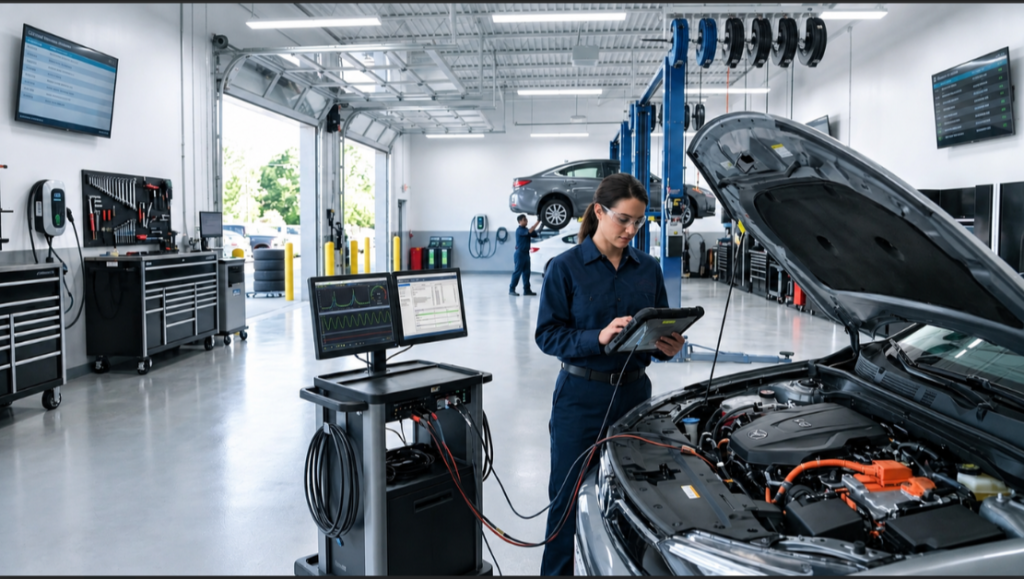
Starting a career in the automotive industry requires more than an interest in vehicles. Employers look for candidates who understand basic automotive concepts, have practical technical skills, and are prepared to work in a professional environment. A job ready program in automotives helps learners develop these abilities through structured training and practical learning.
The automotive sector offers several career opportunities in vehicle servicing, maintenance, repair, diagnostics, and customer support. As vehicle technology continues to develop, trained professionals are becoming increasingly important. Choosing the right training can help individuals understand industry requirements and prepare for entry-level employment.
What Is an Automotive Job-Ready Program?
An automotive job-ready program is a training course designed to prepare learners for employment in the automotive industry. It combines theoretical knowledge with practical activities to help students understand how vehicles work and how common automotive tasks are performed.
The course may cover vehicle components, workshop safety, maintenance procedures, basic repairs, and diagnostic techniques. Depending on the training provider and course level, learners may also gain experience using automotive tools and equipment.
The main purpose is to develop practical knowledge, workplace confidence, and essential skills that employers expect from new employees.
Why Is Practical Training Important in the Automotive Industry?
Practical training plays an important role in automotive education because working with vehicles requires hands-on experience. Reading about vehicle systems provides useful information, but learners also need opportunities to understand how those systems operate in real situations.
During practical sessions, students may learn how to:
- Identify major vehicle components.
- Use common automotive tools and equipment.
- Perform basic vehicle inspections.
- Understand routine servicing procedures.
- Recognise common mechanical issues.
- Follow workshop safety practices.
- Assist with basic maintenance and repair activities.
These activities help learners connect classroom knowledge with workplace responsibilities. They also provide a better understanding of the tasks involved in automotive service roles.
What Skills Can Students Develop?
A good training course focuses on both technical and professional skills. These abilities help learners perform workplace tasks more effectively and communicate with colleagues and customers.
Basic Automotive Knowledge
Students learn about important vehicle systems, including engines, brakes, steering, suspension, and electrical components. This knowledge creates a foundation for understanding vehicle operation and maintenance.
Vehicle Inspection Skills
Learners may develop the ability to inspect vehicles, identify visible issues, and understand basic maintenance requirements. These skills are useful in automotive workshops and service centres.
Tool Handling and Workshop Safety
Automotive professionals work with different tools and equipment. Training introduces learners to correct tool handling, safe working procedures, and the importance of maintaining an organised workspace.
Communication and Teamwork
Automotive work often involves coordinating with technicians, supervisors, service advisers, and customers. Clear communication and teamwork help ensure that tasks are completed properly.
Problem-Solving Abilities
Vehicle-related problems require careful observation and logical thinking. Training helps students understand how to identify possible issues and follow suitable procedures when addressing them.
What Career Opportunities Are Available After Training?
Completing automotive training may help learners explore different entry-level opportunities within the vehicle service and repair sector. The roles available depend on the qualification, practical experience, employer requirements, and local industry conditions.
Some possible career paths include:
Automotive Service Assistant
Service assistants support technicians with basic workshop activities, vehicle preparation, and general maintenance tasks.
Vehicle Maintenance Assistant
These professionals help with routine vehicle checks and servicing activities under appropriate supervision.
Automotive Technician Trainee
A trainee technician develops practical experience while learning more advanced vehicle repair, inspection, and maintenance procedures.
Workshop Assistant
Workshop assistants help maintain equipment, organise tools, prepare work areas, and support daily workshop operations.
Automotive Parts Assistant
This role involves identifying, organising, and handling vehicle parts and components. Basic automotive knowledge can be useful when assisting customers and workshop staff.
Who Should Consider This Type of Training?
Automotive training is suitable for people who are interested in vehicles and want to develop technical skills for employment. It may be particularly useful for:
- School leavers exploring vocational career options.
- Beginners interested in vehicle maintenance and repair.
- Individuals looking to develop practical technical skills.
- Career changers considering the automotive sector.
- Learners who prefer hands-on education.
Previous automotive work experience may not always be necessary for beginner-level courses. However, students should check the entry requirements before enrolling.
How to Choose the Right Automotive Training Course
Selecting a suitable course is an important step towards developing relevant workplace skills. Before enrolling, learners should consider several factors.
First, review the course content to understand which automotive topics are covered. Check whether the program includes practical workshop sessions, equipment demonstrations, and opportunities to develop hands-on experience.
Next, research the training provider’s reputation, facilities, trainer experience, and available student support. It is also useful to ask whether the course offers recognised qualifications or industry-relevant certifications.
Learners should understand the course duration, assessment methods, fees, and possible employment pathways. Comparing these details can help them choose training that matches their career interests and learning needs.
How Does Training Improve Employment Readiness?
A job ready program in automotives helps learners understand the connection between technical knowledge and everyday workplace responsibilities. Practical activities introduce them to common workshop procedures, while structured learning helps develop confidence and professional behaviour.
Students can also become familiar with workplace expectations, including punctuality, safety awareness, teamwork, communication, and following instructions. These qualities are important when applying for entry-level positions.
Although completing a course does not guarantee employment, relevant training can strengthen a candidate’s preparation and provide a useful starting point for further learning and experience.
Conclusion
The automotive industry offers opportunities for individuals who enjoy working with vehicles and developing technical skills. Suitable training can provide a strong foundation in vehicle systems, maintenance procedures, workshop safety, and professional workplace practices.
By choosing a course with relevant content and practical learning opportunities, students can improve their understanding of the industry and prepare for potential entry-level roles. Researching training providers, comparing course details, and understanding employer expectations can help learners take a confident first step towards an automotive career.