Hire Smart: A Practical Guide to Getting the Right Machines on Site
Every project has a moment when someone asks, “Do we own something that can do this?” More often than not, the answer is no. Buying specialised machinery for a single job rarely makes financial sense, which is why so many builders, landscapers and facility teams turn to Equipment Hire in Sydney instead. Hiring keeps your costs predictable and puts the right tool in your hands exactly when you need it. This guide walks through how to choose well, avoid common mistakes and keep your site safe.
Why Hiring Beats Owning for Most Jobs
Owning machinery means servicing, insurance, storage, registration and depreciation, whether the machine is working or not. Hiring turns those ongoing expenses into a single, clear cost tied to the job.
Hiring tends to suit you when:
- The project has a defined start and finish
- You need a specialised machine for a short task
- Your own fleet is already busy elsewhere
- You want to test a machine type before spending big
It also lets you switch machines between stages. You might use an excavator in week one and a telehandler in week three, rather than stretching one machine across tasks it was never built for.
Start With the Job, Not the Machine
The biggest mistake is picking a machine first and working out the details later. Instead, write down:
- What needs to be lifted, moved, dug or reached
- How heavy it is and how far or high it must go
- What the ground is like, including slopes, mud and gravel
- Whether the work is indoors, outdoors or both
These answers narrow your options fast. For pallet handling in a yard or warehouse, forklift hire in Sydney is usually the starting point, while muddy or sloped sites call for a rough terrain forklift hire option with bigger tyres and better ground clearance. Moving bricks, roof sheets or timber to upper levels is where telehandler hire in Sydney tends to shine.
Which Machine Do You Need for Work at Height?
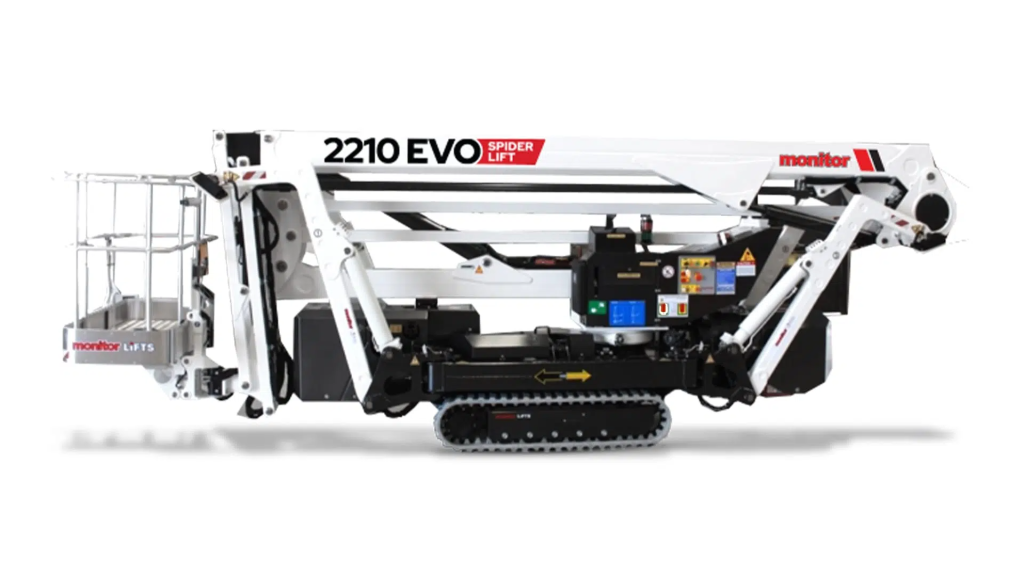
Height work is one of the most common reasons people look at access equipment hire in Sydney. The main choices are:
- Scissor lifts: A wide platform that rises straight up, great for ceilings, lighting and warehouse maintenance
- Boom lifts: An extending arm that reaches over or around obstacles
- Vertical mast lifts: A compact option for narrow aisles and single-person tasks
If your task sits directly overhead and several people need room to work, scissor lift hire in Sydney is often the most practical pick. If something blocks the way from below, such as a fence, machinery or a garden bed, a boom is the better tool.
What Is the Difference Between Wet Hire and Dry Hire?
This question comes up constantly, and the answer affects both cost and responsibility.
Dry hire means you receive the machine only. Your own licensed operator runs it, and you handle fuel and daily checks. Wet hire machinery in Sydney includes a trained operator, which suits teams without in-house staff or projects where productivity and safety are top priorities. Dry hire usually carries a lower rate, while wet hire saves you the time and admin of finding an operator.
Need a Machine in a Hurry?
Breakdowns, wet weather and tight deadlines can leave you short with very little warning. Same day equipment hire in Sydney is often possible if you contact a supplier early in the morning and have your details ready:
- Site address and access information
- Machine type, size and any attachments
- Expected hire period
- Name and number of the person receiving the delivery
The clearer your request, the quicker availability can be confirmed.
Getting Machines to Site Safely
A machine is only useful once it arrives in one piece. Heavy gear needs a suitable truck, proper restraint and a safe place to unload. Organising machinery transport in Sydney alongside your hire reduces the risk of delays, particularly in inner suburbs where narrow streets, low clearances and limited parking are common.
When you book, share gate widths, height restrictions, slopes and available unloading space. If the machine is going inside a building, check floor loading limits and door heights as well.
Keeping Costs Under Control
Plenty of people search for cheap machinery hire in Sydney, but the lowest daily rate does not always deliver the best value. Ask what is included and what is extra before you confirm. Fuel, charging, cleaning, delivery and collection fees can all change the final total.
A few simple ways to save:
- Book early for longer projects, as weekly rates often cost less per day
- Choose the right size rather than paying for capacity you will not use
- Return machines clean and on time
- Bundle several items into a single order
Bundling is especially useful on bigger developments. Construction equipment hire in NSW can cover lifting gear, loaders and access machines under one arrangement, which simplifies invoicing and scheduling.
Licences and Safety Basics
Many machines, including forklifts, boom lifts above a certain size and some loaders, require a high risk work licence or specific training. Requirements vary by machine type and size, so confirm them with your supplier and your workplace health and safety adviser before work begins.
On site, good habits make the biggest difference:
- Inspect each machine at the start of every shift
- Check that the ground is firm, level and clear of hazards
- Never exceed the rated load or platform capacity
- Mark exclusion zones so nobody walks beneath raised loads
- Pause outdoor work during strong winds or heavy rain
A short toolbox talk each morning keeps everyone alert.
Final Thoughts
The best machine is the one that suits your task, your site and your budget. Define the job, check your ground conditions, plan delivery early and compare the full cost rather than the headline rate. With that preparation in place, Equipment Hire in Sydney becomes a simple way to keep your project moving safely and efficiently from start to finish.