Concreting: Innovations, Sustainability, And Impact
Concrete is pivotal in construction, providing a robust and versatile foundation for many structures. Its widespread use stems from its durability, cost-effectiveness, and adaptability to various applications. In this article, we’ll delve into concreting in Baulkham Hills, exploring its composition, application, and significance in construction.
Composition Of Concrete
Concrete is a composite material comprised of several key components. The primary ingredients are cement, aggregates, water, and sometimes supplementary cementitious materials (SCMs) such as fly ash or slag. Cement acts as the binder, binding the aggregates together. Aggregates, including sand, gravel, or crushed stone, provide the bulk and strength to the concrete. Water is crucial for the hydration of the cement, initiating the chemical reactions that solidify the mixture.
Mix Design
The mix design of concrete is a critical aspect that influences its properties. Engineers and concrete specialists carefully determine each component’s proportions based on the final product’s desired strength, durability, and workability. The right mix ensures that the concrete meets the specific requirements of the intended application.
Types Of Concrete
Several types of concrete cater to diverse construction needs. Ordinary Portland Cement (OPC) concrete is the most common type, suitable for general construction purposes. High-strength concrete is engineered for projects requiring enhanced structural integrity, while lightweight concrete is favoured when reduced weight is crucial. Specialty concretes, such as self-compacting and fibre-reinforced concretes, address specific challenges in construction.
Application Of Concrete
The versatility of concrete is evident in its wide-ranging applications. One of its primary uses is in constructing buildings and infrastructure, providing the foundational structure for everything from residential homes to towering skyscrapers. Concrete’s adaptability extends to roads and bridges, where its durability withstands the constant stress and load of vehicular traffic.
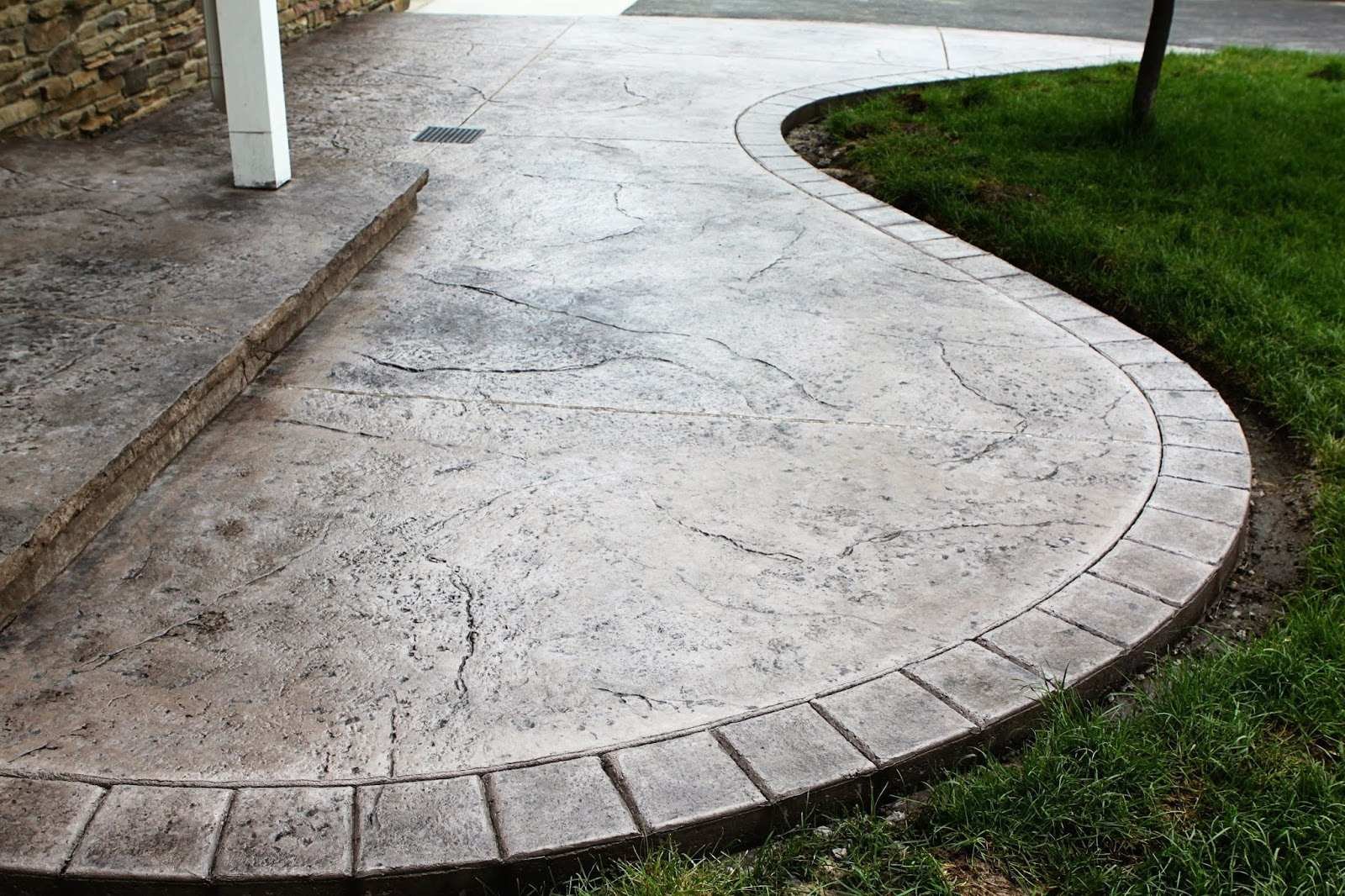
In addition to its use in structural elements, concrete is instrumental in creating decorative and architectural features. Stamped concrete, for example, mimics the appearance of materials like brick or stone, offering a cost-effective alternative for aesthetically pleasing surfaces. Moreover, moulding and shaping concrete allows for intricate designs in landscaping elements like patios and walkways.
Importance Of Concreting In Construction
Concreting in Baulkham Hills is indispensable in the construction industry for several reasons. Its strength and durability make it a reliable material for supporting structures, ensuring their stability over time. The moldable nature of concrete allows for creative and innovative designs, giving architects and builders the freedom to realise ambitious projects.
The cost-effectiveness of concrete, particularly in comparison to alternative building materials, contributes to its widespread use. Its availability and ease of production make it a practical choice for large-scale construction projects, from residential developments to massive infrastructure undertakings.
Furthermore, the sustainability of concrete has become a focus in modern construction practices. Incorporating recycled materials and developing low-carbon concrete contribute to reducing the environmental impact associated with concrete production.
Innovations In Concrete Technology
In recent years, advancements in concrete technology have brought about innovative solutions to address some of the challenges associated with traditional concrete. The development of high-performance concrete, which exhibits superior strength and durability, has enabled the construction of structures that can withstand extreme conditions. Additionally, integrating nanotechnology into concrete research has opened new possibilities, enhancing properties like strength, durability, and resistance to environmental factors.
Sustainable Practices In Concrete Production
The environmental impact of concrete production has prompted the industry to embrace sustainable practices. One notable approach is using recycled materials in concrete production, such as recycled aggregates and industrial by-products. This reduces the demand for natural resources and minimises the environmental footprint of extracting and processing raw materials.
Moreover, low-carbon concrete involves optimising the mix design to reduce the carbon emissions associated with cement production. This aligns with global efforts to mitigate climate change by promoting eco-friendly alternatives in the construction sector.
Conclusion
Concreting is a dynamic and evolving field that continues to shape how we build and inhabit our surroundings. Through ongoing research, technological advancements, and a commitment to sustainability, the concrete industry is poised to address challenges and pave the way for a more resilient and environmentally conscious future in construction.