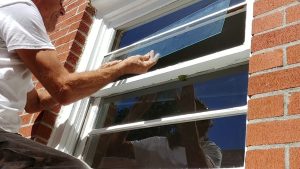
Step-By-Step Guide To Polycarbonate Sheet Installation

Polycarbonate sheets have become increasingly popular in various industries and applications due to their durability, transparency, and versatility. Whether you are considering using polycarbonate sheets for roofing, skylights, greenhouse panels, or other applications, a proper installation is crucial to maximise their benefits. This comprehensive guide will outline the key steps and considerations for a successful polycarbonate sheet installation.
Materials And Tools
Gather all the necessary materials and tools before diving into the polycarbonate sheet installation process. This typically includes polycarbonate sheets, appropriate fasteners, a power drill, measuring tape, a saw, and protective gear such as gloves and safety glasses. Ensure that you have all the components needed for a smooth installation.
Choosing The Right Polycarbonate Sheet
Selecting the appropriate type of polycarbonate sheet is essential for a successful installation. Consider the intended application, thickness, and UV protection requirements. Different projects may demand specific types of polycarbonate sheets, such as multiwall or solid sheets. Understanding the environmental conditions and intended use will help you make an informed decision.
Measuring And Cutting
Accurate measurements are crucial to achieving a precise fit during installation. Use a measuring tape to determine the dimensions and mark the cutting lines on the polycarbonate sheets. Employ a fine-toothed saw or specialised cutting tool designed for polycarbonate materials. Properly cut sheets will ensure a seamless installation and a professional appearance.
Drilling And Fastening
Securely fastening polycarbonate sheets is a critical step in the installation process. Use a power drill with the appropriate drill bit to create holes for fasteners. It’s essential to drill holes slightly larger than the fasteners to allow for expansion and contraction of the material due to temperature changes. Be mindful of the manufacturer’s recommended fastening pattern to ensure structural integrity.
Sealing And Weatherproofing
To enhance the longevity and weather resistance of the installation, consider sealing the edges and joints of the polycarbonate sheets. Weatherproofing solutions such as silicone sealants can be applied to prevent water infiltration and protect against the elements. Ensure the selected sealant is compatible with polycarbonate materials and follows the manufacturer’s guidelines.
Installation Tips For Specific Applications
- Roofing: When using polycarbonate sheets for roofing, ensure they are installed with the corrugated side facing upward to facilitate water runoff. Use appropriate flashing and consider ventilation to prevent condensation.
- Skylights: Install polycarbonate skylights to maximise natural light while minimising glare. Consider the angle and positioning to optimise the entry of sunlight into the space below.
- Greenhouses: Pay attention to the insulation properties of polycarbonate sheets in greenhouse installations. Properly seal joints to create a controlled environment conducive to plant growth.
Maintenance And Cleaning
Once the installation is complete, establish a routine maintenance schedule. Regularly clean the polycarbonate sheets with a mild detergent and water to remove dirt and debris. Avoid clear of harsh chemicals or abrasive products that can harm the surface.
Conclusion
Mastering the art of polycarbonate sheet installation requires careful planning, precision, and attention to detail. By following these comprehensive guidelines, you can ensure a successful installation that maximises the benefits of polycarbonate sheets in various applications. Remember to adhere to manufacturer recommendations and industry best practices to achieve a professional and long-lasting result.