Aluminium Recycling – A Step Towards a Sustainable Future
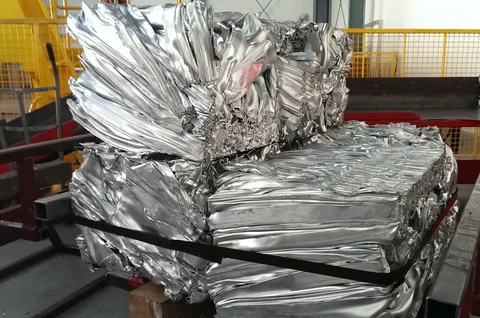
In a world increasingly aware of the importance of sustainability, aluminium recycling in Sydney shines as a beacon of environmental responsibility. This process, which turns old aluminium products into new ones, is not just about keeping waste out of landfills; it’s a comprehensive approach to conserving energy, reducing carbon emissions, and saving valuable resources. Aluminium, a metal we encounter in our everyday lives—from soda cans to car parts—is known for its durability, lightweight, and resistance to corrosion. Its widespread use underscores the importance of recycling it, ensuring we’re not carelessly discarding a resource that can be reused indefinitely without losing quality.
The Significance of Aluminium
Aluminium’s versatility and properties have made it a staple in various industries. However, extracting aluminium from bauxite ore is energy-intensive, contributing significantly to carbon emissions. This is where aluminium recycling comes into play, offering an eco-friendly alternative that requires considerably less energy and reduces environmental impact.
The Environmental and Economic Benefits
Saving Energy and Reducing Emissions: Recycling aluminium saves up to 95% of the energy needed to produce aluminium from raw materials. This substantial energy saving significantly reduces carbon emissions, helping combat climate change.
Conserving Natural Resources: Aluminium recycling reduces the need for bauxite mining, preserving the natural landscape and saving the raw materials for future generations.
Economic Growth: The aluminium recycling industry creates jobs and stimulates economic activity, from collection and processing to producing new aluminium products.
Reducing Waste: By recycling aluminium, we keep it out of landfills, reducing waste and pollution and contributing to a cleaner environment.
The Aluminium Recycling Process
The process of recycling aluminium is straightforward and involves several key steps:
Collection: This is the first and crucial step, collecting aluminium products for recycling. These can range from everyday items like beverage cans and foil to larger items like car parts and window frames.
Sorting: Collected aluminium is sorted, often using advanced technology to separate it from other materials and ensure the highest quality of recyclable aluminium.
Cleaning and Shredding: The sorted aluminium is cleaned to remove any coatings or residues. After cleaning, it’s shredded into small pieces, which makes the melting process more efficient.
Melting: Shredded aluminium is placed in a large furnace and melted at around 660 degrees Celsius (1,220 degrees Fahrenheit). Melting recycled aluminium consumes significantly less energy than producing new aluminium from ore.
Purification: The molten aluminium is purified to remove any impurities. This step ensures the quality of the recycled aluminium matches that of aluminium produced from raw materials.
Casting: The purified aluminium is then poured into moulds to form ingots, which can be rolled into sheets or made into new products. This marks the completion of the recycling loop, with recycled aluminium ready to be used again without any loss in quality.
Overcoming Challenges
Despite its benefits, aluminium recycling faces challenges, including contamination and the need for efficient collection systems. Contamination with other materials can lower the quality of recycled aluminium, making it crucial to sort and clean aluminium waste effectively. Additionally, improving collection systems to capture more aluminium for recycling can increase the amount of material available for this process, making it even more efficient and beneficial.
The Role of Consumers and Industries
The success of aluminium recycling depends on the participation of both consumers and industries. Consumers play a vital role by properly disposing of aluminium products and supporting products made from recycled materials. Industries, on the other hand, can contribute by adopting sustainable practices, including using recycled aluminium in their products and investing in technologies that improve the efficiency of the recycling process.
Looking Towards the Future
As we move towards a more sustainable future, the importance of aluminium recycling cannot be overstated. It offers a practical solution to environmental issues, conserves resources, and supports economic growth. By embracing aluminium recycling, we take a significant step towards achieving a circular economy where materials are reused and recycled, minimising waste and environmental impact.
The future of aluminium recycling looks bright, with technological advancements promising to make the process even more efficient and widespread. As awareness of the benefits of recycling grows, so does participation in recycling programs, leading to increased collection rates and more aluminium being recycled.