
Building Over Sewer: Key Considerations Before Starting a Construction Project
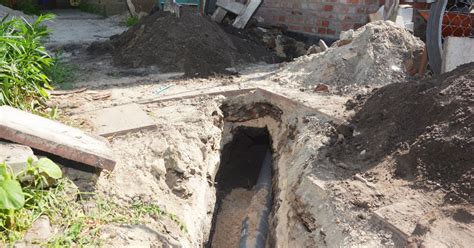
Construction projects often begin with visible plans such as floor layouts, extensions, or landscaping ideas. However, what lies beneath the ground can have an equally significant impact on the success of the project. If a property contains an underground sewer, Building over sewer requires careful planning to protect essential infrastructure while ensuring the proposed work is suitable for the site. Understanding the factors involved before construction begins can help avoid delays, unexpected design changes, and future maintenance issues.
Why Underground Sewers Require Special Attention
Sewers form part of a wider drainage network that transports wastewater safely away from homes and commercial properties. Because these pipelines continue to serve surrounding properties, they must remain protected throughout any nearby construction.
Building over or near a sewer requires consideration because it may affect:
- Access for future maintenance and repairs.
- Structural loads placed on the pipeline.
- Ground stability around the sewer.
- The long-term performance of the drainage system.
- Safety during excavation and construction.
Protecting existing infrastructure benefits both the property owner and the broader community.
Identifying Whether a Sewer Is Present
Many property owners are unaware that a sewer runs beneath their land until they begin planning a project. Identifying underground services early allows potential issues to be addressed before finalising building plans.
Ways to determine whether a sewer may be present include:
- Reviewing available property plans.
- Checking utility or drainage records.
- Arranging professional site investigations.
- Identifying existing inspection openings.
- Confirming service locations before excavation begins.
Early identification reduces the likelihood of costly changes later in the project.
Public and Private Sewer Infrastructure
Some properties contain privately owned drainage pipes, while others are affected by public sewer infrastructure that services multiple properties. Understanding the difference is important because different requirements may apply depending on ownership and responsibility.
How Building Design May Be Influenced
The location of a sewer does not always prevent construction, but it can influence how a project is designed.
Possible design adjustments include:
- Relocating parts of the proposed building.
- Modifying foundation layouts.
- Changing footing designs.
- Adjusting excavation methods.
- Allowing suitable clearance around underground services.
These modifications help protect the sewer while supporting the structural integrity of the new construction.
Factors Considered During Project Planning
Every site presents different conditions, so construction over or near a sewer is assessed individually.
Important considerations often include:
- The depth of the sewer.
- The size and material of the pipeline.
- Proposed building loads.
- Soil conditions across the site.
- Future access requirements for maintenance.
A thorough site assessment helps determine the most appropriate construction approach.
Construction Practices That Help Protect Underground Services
Once planning is complete, careful construction methods are essential to minimise the risk of damaging underground infrastructure.
Good practices include:
- Clearly marking sewer locations before excavation.
- Using excavation methods suited to site conditions.
- Preventing excessive loading above the pipeline.
- Monitoring excavation near existing services.
- Following approved engineering specifications where required.
Attention during construction helps reduce the likelihood of accidental damage and future repairs.
Long-Term Considerations After Construction
A completed building should continue to allow the underground sewer to function effectively throughout its service life.
Property owners should remain aware of:
- Access points that may require future maintenance.
- Landscaping that could affect underground services.
- Drainage performance around the property.
- Signs of ground movement or settlement.
- The importance of protecting sewer infrastructure during future renovations.
Planning with long-term maintenance in mind helps preserve both the building and the drainage network.
Working with the Right Professionals
Projects involving underground infrastructure often require input from professionals with experience in construction, engineering, and drainage systems.
Depending on the nature of the project, this may involve:
- Building designers or architects.
- Structural engineers.
- Civil engineers.
- Licensed surveyors.
- Drainage and utility specialists.
Collaboration between these professionals helps ensure construction plans take underground services into account from the earliest stages.
Conclusion
Building over sewer involves more than simply designing a structure above an underground pipeline. Careful planning, early identification of sewer locations, thoughtful design adjustments, and responsible construction practices all contribute to protecting essential infrastructure while supporting successful building projects. By understanding the considerations involved in Building over sewer, property owners can approach their projects with greater confidence and minimise the risk of complications during construction and beyond.







