Choosing the Right Cocoa Machine for Your Chocolate Production Line
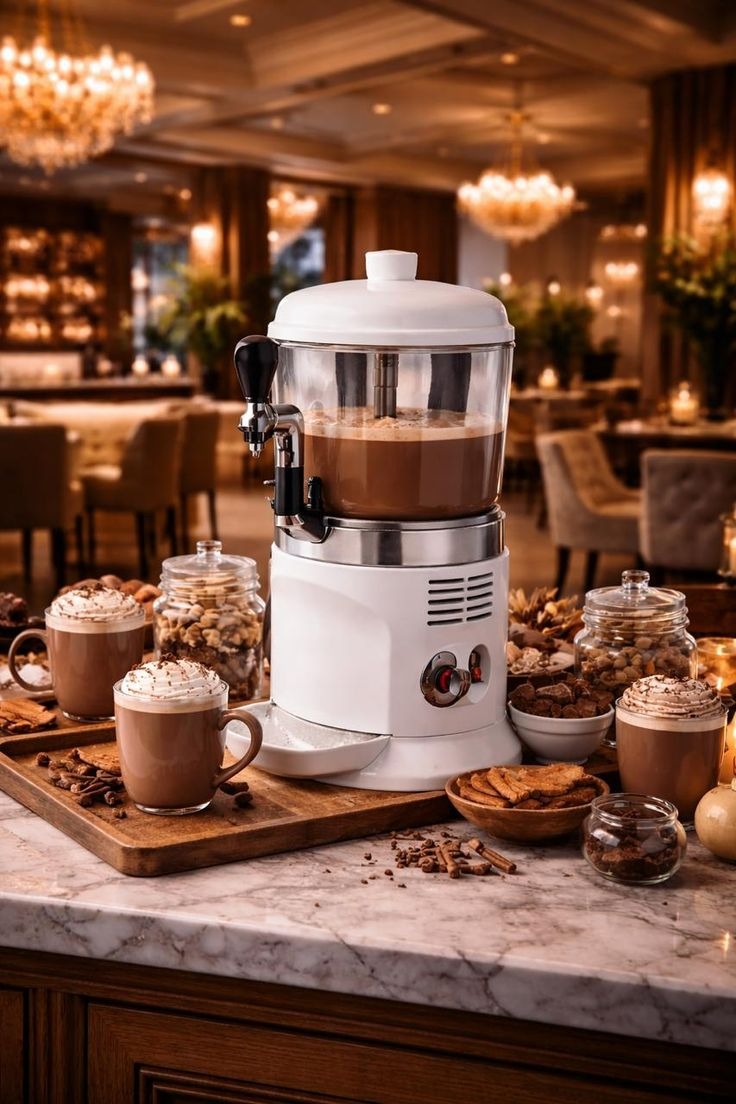
A cocoa machine can shape every stage of chocolate making, from roasted bean preparation through to a smooth, glossy finish. For Australian chocolatiers, food manufacturers and growing craft brands, the right equipment affects consistency, workflow and the flavour of each batch. Understanding what each machine does makes it far easier to build a setup that suits your goals.
Understanding the Cocoa Processing Journey
Cocoa processing moves through several stages, and each one relies on dedicated equipment. Beans are cleaned and roasted, then cracked and winnowed to separate the nibs from the husk. The nibs are ground into cocoa mass, which can be refined further, pressed or blended into finished chocolate. Matching machinery to each stage helps you keep control over texture, aroma and batch quality.
Key Machines Worth Considering
Depending on your scale, a processing line might include roasters, crackers, winnowers, grinders, refiners, conches and tempering equipment. Small producers often begin with compact, multi-purpose units, while larger operations tend to add dedicated machines for each task. Starting with the stages that most affect your product, then expanding over time, is a practical way to manage investment.
Matching Equipment to Your Product
Your end product should guide your choices. A maker focused on single-origin dark chocolate has different needs from a business producing cocoa powder, couverture or spreads. Think about the particle size, flavour profile and batch volumes you want, then work backwards to the equipment that delivers them. This approach avoids overspending on features you will not use and keeps your workflow focused on what customers value.
Factors to Weigh Before You Buy
Every workshop is different, so it pays to compare options carefully. Consider the following points before committing:
- Capacity: match hourly or batch output to realistic demand, with some room to grow.
- Build quality: food-grade stainless steel contact surfaces are easier to clean and support hygiene standards.
- Power and space: check voltage, footprint and ventilation requirements for your workshop or factory.
- Ease of cleaning: simple disassembly saves time during product changeovers.
- Support: access to spare parts, manuals and responsive after-sales help reduces downtime.
Planning for Quality and Consistency
Good equipment is only part of the equation. Bean origin, roast profile and processing temperature all influence flavour, so keep notes on each batch and adjust gradually. Running small trial batches lets you refine your recipe before moving to larger volumes, which saves both time and ingredients. Regular cleaning and scheduled maintenance also protect flavour and extend the working life of your equipment.
Take the Next Step
Selecting suitable equipment is one of the most important decisions in chocolate production. By understanding each stage, comparing capacity and build quality, and planning for future growth, you can invest with confidence. Explore the available options, compare specifications and choose machinery that fits your production goals.