Curved Glass Solutions For Innovative Architectural Projects
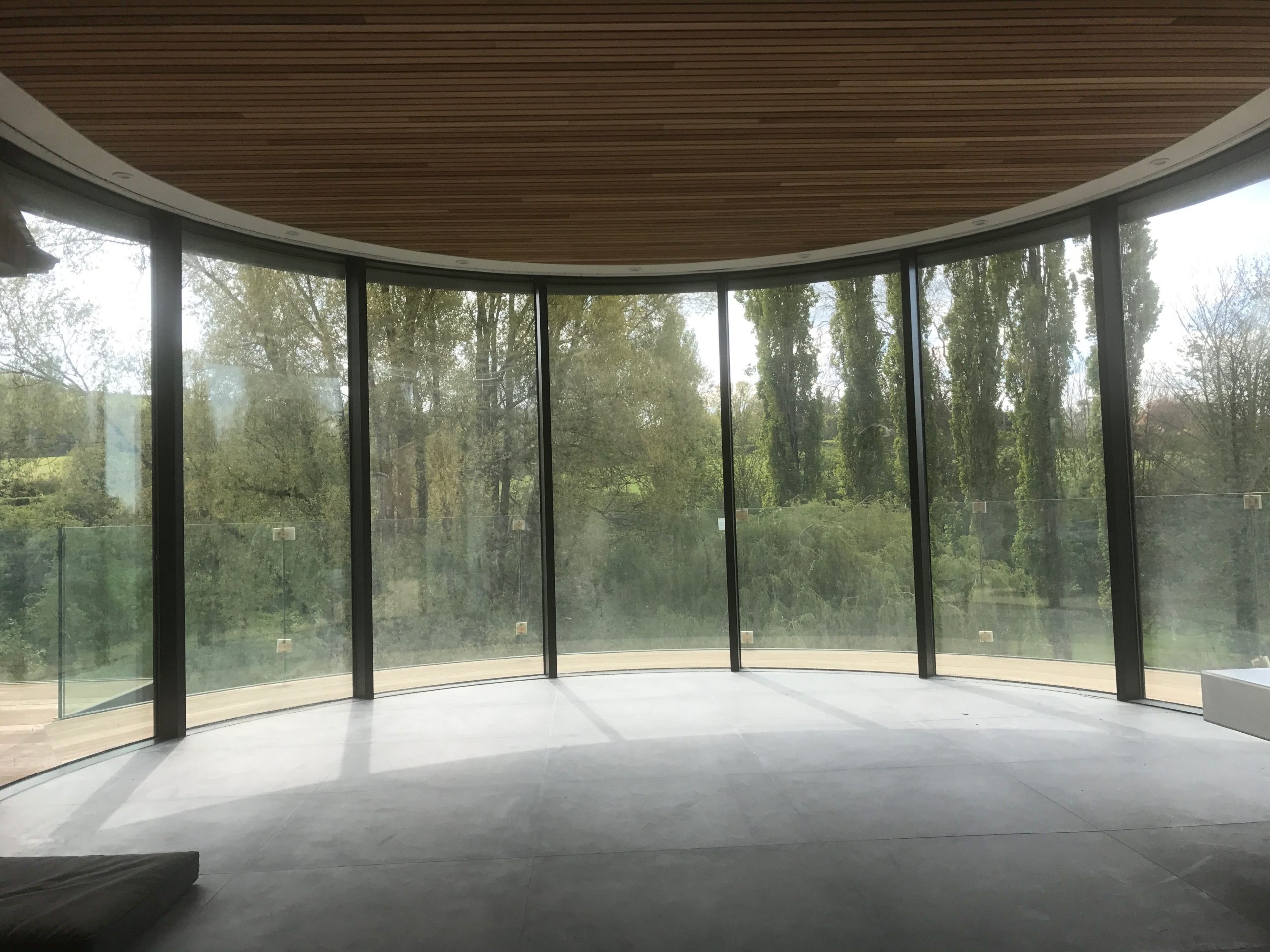
curved glass
Curved Glass In Modern Architecture And Design
Curved glass has emerged as a standout material in modern architecture, offering a unique combination of elegance, strength, and functionality. Its ability to create smooth lines and seamless transitions makes curved glass a popular choice for architects, designers, and builders seeking innovative design solutions. From striking commercial façades to refined residential interiors, curved glass continues to shape the future of contemporary construction.
What Makes Curved Glass Unique?
Unlike flat glass, curved glass is manufactured through specialised heating and bending processes that allow it to achieve precise shapes without compromising strength. This advanced production method ensures consistency, clarity, and durability. Curved glass can be toughened or laminated to meet safety and compliance standards, making it suitable for a wide range of structural and decorative applications.
The flexibility of curved glass allows designers to move beyond rigid angles and introduce fluid forms that enhance visual appeal and spatial flow.
Applications Of Curved Glass Across Different Spaces
Curved glass is widely used in both residential and commercial environments. Common applications include windows, balustrades, skylights, shopfronts, partitions, and feature walls. In commercial settings, curved glass creates impactful first impressions, while in homes it adds a sense of luxury and openness.
Its ability to maximise natural light while maintaining structural performance makes curved glass ideal for modern buildings focused on comfort and sustainability.
Performance And Safety Benefits Of Curved Glass
Curved glass is engineered to deliver high performance alongside aesthetic value. When toughened or laminated, it offers excellent strength, impact resistance, and safety. These qualities make curved glass suitable for high-traffic areas and demanding architectural environments.
Additionally, curved glass can be designed to improve thermal efficiency and acoustic performance, supporting energy-efficient building outcomes.
Curved Glass in Custom Architectural Projects
One of the greatest advantages of curved glass is its adaptability to custom designs. Architects and builders can specify exact dimensions, curvature, and finishes to align with project requirements. This makes curved glass an ideal solution for bespoke architectural features and signature design elements.
Custom curved glass allows projects to stand out while maintaining practicality and long-term reliability.
Conclusion
As architectural trends continue to evolve, curved glass is expected to play an even greater role in shaping modern spaces. Its ability to combine form and function aligns perfectly with contemporary design principles that prioritise innovation, sustainability, and visual impact.
Curved glass remains a powerful material choice for creating sophisticated, high-performance buildings that stand the test of time.