
Dealing with Efflorescence in Brickwork: An Australian Guide
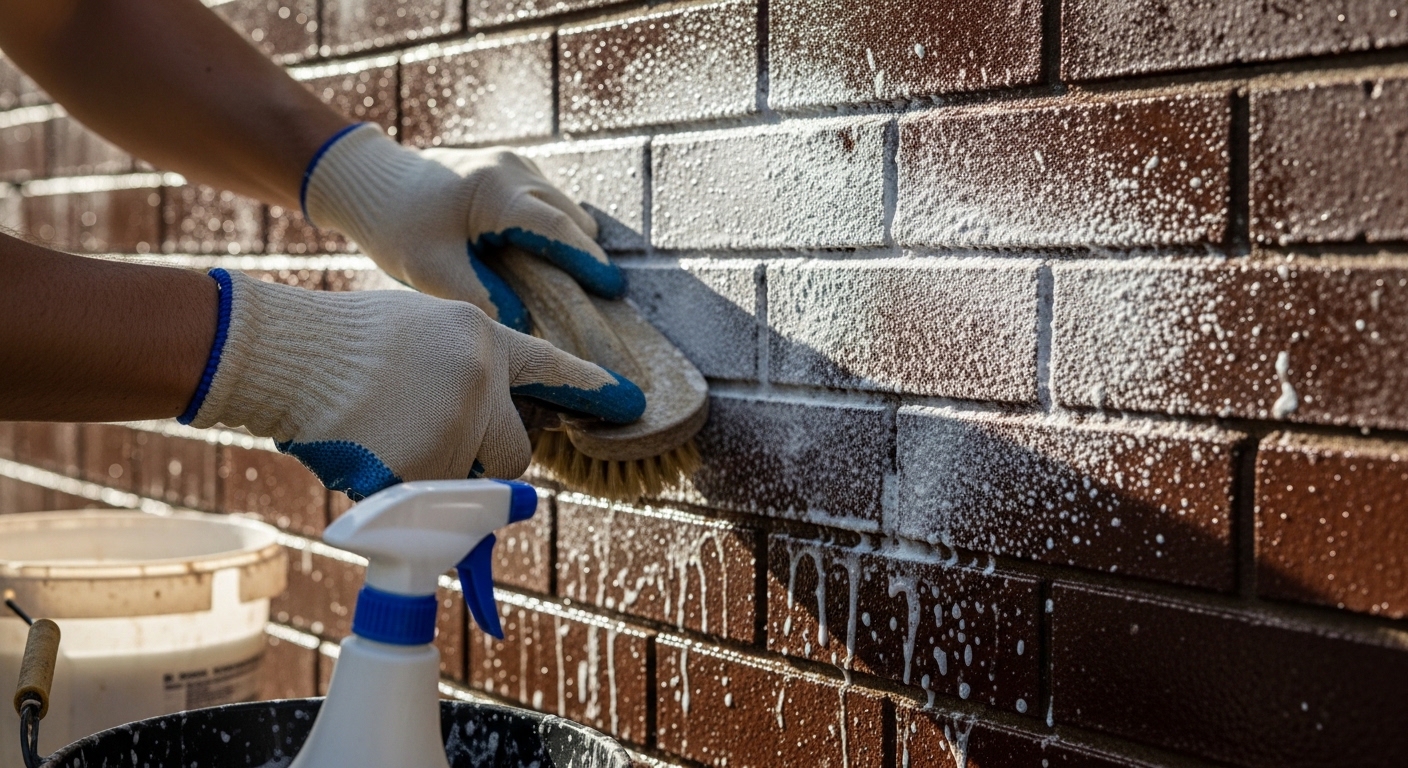
Brickwork can add a classic charm to Australian homes, but it often comes with its own set of challenges. One of the more common issues homeowners face is efflorescence—a white, powdery deposit that can appear on bricks, and understanding the treatment of efflorescence in brickwork becomes essential to prevent long-term surface damage. While it might seem like a minor aesthetic issue, it can be a sign of underlying moisture problems. Let’s explore how to manage this issue effectively.
1. Understanding Efflorescence
Efflorescence is essentially the migration of salts to the surface of porous materials like brick. When water moves through the brickwork, it dissolves the natural salts within. As the water evaporates, these salts are left behind, creating that unmistakable white residue.
In the Australian climate, which can range from humid coastal areas to dry interiors, efflorescence is more common than you might think. Understanding the conditions that lead to this issue is the first step in addressing it.
2. Identifying the Source of Moisture
To treat efflorescence effectively, it’s crucial to identify where the moisture is coming from. This could be due to poor drainage, leaking pipes, or even rising damp. Once the source is known, it can be addressed to prevent further efflorescence.
In areas like Sydney or Brisbane, with their frequent rainfall, ensuring proper drainage around your home is vital. Make sure gutters are clear and downpipes are functioning correctly to direct water away from the brickwork.
3. Removing Existing Efflorescence
Before you can tackle the underlying moisture issues, you’ll want to clean the existing efflorescence. A simple and effective method is to use a dry brush or broom to remove the salt deposits. Avoid using water, as this can exacerbate the problem by dissolving more salts and bringing them to the surface.
For stubborn deposits, a diluted vinegar solution can work wonders. However, always test on a small area first to ensure there’s no adverse reaction with the brick.
4. Sealing the Brickwork
Once the existing efflorescence is removed and the moisture source addressed, sealing the brickwork can help prevent future occurrences. A high-quality sealant will create a barrier, limiting water penetration and thus reducing the chance of salt deposits forming.
In Australia’s diverse climates, choosing a sealant appropriate for your specific environment is key. Consult with local experts to find a product that suits your needs.
5. Regular Maintenance and Monitoring
Efflorescence can be a recurring issue if not monitored. Regularly check your brickwork for signs of moisture ingress, especially after heavy rains. Keeping an eye on the condition of your gutters and the grading around your home can also help.
In Melbourne’s variable climate, for instance, regular checks can prevent small issues from becoming major problems. A proactive approach will save you time and effort in the long run.
FAQs on Efflorescence in Brickwork in Australia
Q1. Why does efflorescence occur more frequently in some areas of Australia?
Efflorescence is more common in areas with higher humidity or frequent rainfall, such as coastal regions. The consistent moisture provides the necessary conditions for salts to migrate to the brick surface.
Q2. Can efflorescence damage my brickwork?
While efflorescence itself is not harmful to the bricks, it can indicate moisture issues that may eventually cause structural damage if left unaddressed.
Q3. Is sealing brickwork always necessary?
Sealing is a good preventive measure, especially in areas prone to moisture. However, ensuring proper drainage and addressing any leaks is just as important.
Efflorescence might be a nuisance, but with a bit of knowledge and effort, it can be managed effectively. By addressing the root causes and maintaining your brickwork, you can preserve the beauty and integrity of your home for years to come.







