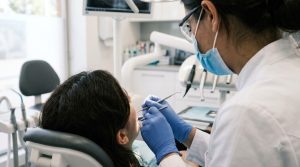
Dental Crowns Epping For A Stronger Smile

A damaged or weakened tooth can affect more than your smile. It may make eating uncomfortable and increase sensitivity while leaving you hesitant to smile confidently. Dental crowns can offer a practical way to protect and restore teeth that have experienced significant damage or decay.
If you are considering dental crowns Epping residents can explore this treatment as a solution for improving both tooth strength and appearance. Understanding how crowns work and when they may be recommended can help you make a more informed decision about your dental care.
What Are Dental Crowns
A dental crown is a custom made restoration designed to fit over a damaged or weakened tooth. It acts like a protective cap and helps restore the tooth’s shape size and function.
Crowns may be recommended when a tooth has extensive decay or has been weakened following a root canal treatment. They can also be considered for cracked teeth or teeth that have experienced substantial wear.
Because crowns are individually designed they can be made to complement the surrounding teeth. This helps create a balanced and natural looking result.
Why Consider Dental Crowns
One of the main benefits of dental crowns is protection. A weakened tooth can be vulnerable to further damage during everyday activities such as chewing. A crown provides additional support and can help preserve the remaining natural tooth structure.
Crowns can also improve the appearance of teeth that are badly damaged or significantly discoloured. Depending on the material selected they can closely match the shade and appearance of natural teeth.
Another advantage is improved function. Restoring the shape of a damaged tooth can make biting and chewing more comfortable while helping you maintain your normal oral routine.
What To Expect During Treatment
The process usually begins with a dental examination. Your dentist will assess the tooth and surrounding structures to determine whether a crown is appropriate.
The tooth is then prepared so the crown can fit securely. Impressions or digital scans may be taken to help create a restoration that matches your bite and surrounding teeth. Once the crown is ready it is carefully fitted and checked for comfort and function.
Good oral hygiene remains important after treatment. Regular brushing flossing and dental checkups can help maintain both the crown and the natural teeth around it.
Are Dental Crowns Right For You
Every tooth and smile is different. A dental professional can assess your individual needs and explain whether a crown is the most suitable option. In some cases another restorative treatment may provide a better solution.
If you are experiencing a damaged tooth sensitivity or difficulty chewing it is worth arranging a dental assessment rather than waiting for the problem to worsen.
Conclusion
Dental crowns can provide valuable protection for damaged teeth while restoring their appearance and everyday function. With personalised treatment and proper care they can become a practical part of a long term approach to maintaining a healthy smile.