
Dental Implants in Mill Park: What to Consider When Replacing Missing Teeth
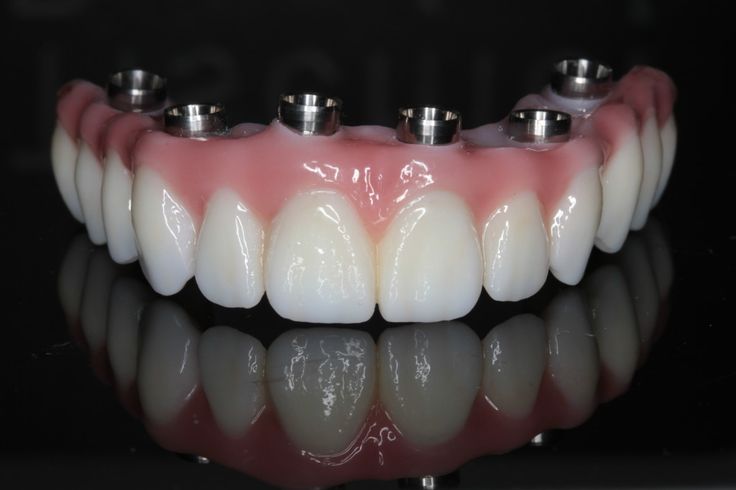
Replacing a missing tooth is not simply about filling a visible gap. The condition of the surrounding teeth, gums and jawbone can all influence which replacement approach is appropriate and how treatment may be planned. People considering dental implants in Mill Park should therefore look beyond appearance and understand the clinical factors involved. Long-term expectations, oral health and the type of tooth loss can all play a part in determining suitability.
Start With What Needs to Be Replaced
Implant planning begins with understanding the extent and location of tooth loss. A person missing one tooth may have very different requirements from someone who has lost several teeth or has teeth that can no longer be retained.
The starting situation may involve:
- A single missing tooth
- Several missing teeth in different areas
- Multiple neighbouring teeth that require replacement
- A larger continuous gap
- Existing crowns, bridges or other restorations nearby
The position of the missing tooth also matters because different parts of the mouth experience different functional demands.
The Jawbone Has an Important Supporting Role
A dental implant is positioned within the jawbone, making the quantity and condition of available bone an important part of treatment assessment. Tooth loss can be accompanied by changes in the bone over time, although the extent varies between individuals.
Clinical examination and suitable imaging can help assess the proposed implant site. Bone height, width and surrounding anatomical structures may all need consideration before a treatment plan is developed. Where the available bone is limited, the dentist can assess whether additional procedures or alternative treatment approaches need to be considered.
Oral Health Can Affect Implant Planning
The area where an implant may be placed is only one part of the assessment. The health of the entire mouth can influence treatment planning and long-term maintenance.
Important factors can include:
- Current gum health
- Untreated decay or infection
- Daily oral hygiene
- The condition of neighbouring teeth
- Relevant medical or lifestyle considerations
Suitability cannot be determined from the appearance of a missing tooth alone. A dental professional needs to consider these factors together and assess the individual circumstances.
Understand What the Treatment Journey Involves
Implant treatment usually involves several stages rather than a single appointment.
Assessment and Planning
The mouth is examined and appropriate imaging may be used to assess the implant site, nearby structures and available bone.
Implant Placement
The implant is placed in the planned position within the jaw. The exact procedure depends on the individual treatment plan.
Healing
A healing period may be required before the final restoration is attached. The duration and approach can differ according to the clinical situation.
Final Restoration
Once appropriate healing has occurred, the visible replacement restoration can be fitted and adjusted according to function and appearance.
Think Beyond the Appearance of the Replacement Tooth
The appearance of the replacement tooth is one consideration, but its practical function also deserves attention. Treatment planning should consider how the replacement works within the wider mouth.
This may include:
- Comfort and function during eating
- Access for brushing and cleaning
- Contact with neighbouring teeth
- The way upper and lower teeth meet
- The need for ongoing dental reviews
Long-term care remains important because implants and their restorations still require regular cleaning and professional monitoring.
Questions Worth Raising During an Implant Assessment
A consultation is an opportunity to understand how general implant information applies to an individual case. Useful questions may include:
- Am I currently suitable for implant treatment?
- Is there adequate supporting bone?
- Do other dental problems need attention first?
- What stages are likely to be involved?
- How should the restoration be maintained afterwards?
Clear answers can help set realistic expectations before treatment begins.
Making an Informed Tooth-Replacement Decision
Implant treatment should be considered in relation to the condition of the mouth rather than viewed as a standard solution for every missing tooth. Supporting bone, gum health, existing teeth, treatment complexity and future maintenance can all influence the decision. Anyone exploring dental implants in Mill Park should understand these factors and have their individual circumstances properly assessed before deciding whether implant treatment is suitable.







