Fracture Clinic Near You: Getting the Right Care for Bone Injuries

A fracture can happen unexpectedly during sports, a fall, an accident or even through repeated stress on a bone. Depending on its severity, a fracture may cause pain, swelling, bruising and difficulty moving the affected area. Getting the injury assessed promptly is important to understand the damage and determine the appropriate treatment. Searching for a fracture clinic near you can help you explore where to seek specialised assessment and follow-up care for a suspected or confirmed bone injury.
What Happens When a Bone Fractures?
A fracture occurs when a bone develops a crack or breaks due to an applied force or an underlying condition that weakens the bone. The injury can range from a small crack to a complete break in which the bone separates into multiple pieces.
Common types of fractures include:
- Simple fracture: The bone breaks without piercing the surrounding skin.
- Compound fracture: The broken bone is associated with an open wound that exposes the fracture site.
- Stress fracture: A small crack develops due to repeated pressure or overuse.
- Comminuted fracture: The bone breaks into several fragments.
- Greenstick fracture: The bone bends and cracks partially, commonly seen in children.
The type and location of the fracture influence the treatment and recovery process.
When Should You Visit a Fracture Clinic?
A medical assessment is important whenever a fracture is suspected. Some injuries may initially appear minor but still involve significant bone damage.
Signs that may indicate a fracture include:
- Persistent pain following an injury.
- Swelling or bruising around the affected area.
- Difficulty putting weight on a leg or foot.
- Restricted movement of an arm, wrist or joint.
- Visible deformity or an unusual limb position.
- Tenderness around a specific bone.
An open fracture, severe deformity, uncontrolled bleeding, numbness or a limb that becomes pale, blue or cold requires emergency medical attention. Do not wait for a routine clinic appointment in these situations.
What Services May Be Available at a Fracture Clinic?
A fracture clinic generally provides assessment and follow-up care for people with bone injuries. Depending on the facility, services may include:
1. Fracture Assessment
A healthcare professional reviews the injury, symptoms and medical history. A physical examination helps identify the affected area and assess movement, swelling and circulation.
2. Diagnostic Imaging
X-rays are commonly used to identify fractures and understand the position of the broken bone. Additional imaging may be recommended when necessary.
3. Immobilisation and Support
Depending on the fracture, treatment may involve a cast, splint, brace or other support to limit movement while the bone heals.
4. Follow-Up Monitoring
Some fractures require repeat examinations or imaging to check alignment and healing progress. Follow-up appointments also allow healthcare professionals to review pain, swelling and changes in mobility.
5. Rehabilitation Guidance
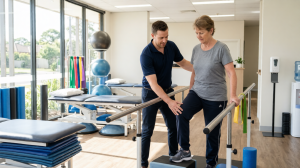
Once appropriate, rehabilitation may involve guided exercises to restore joint movement, strength and everyday function. The timing depends on the fracture type and medical advice.
Understanding the Fracture Recovery Process
Bone healing takes place gradually and varies between individuals. The location and severity of the injury, age, general health and treatment approach can all influence recovery time.
During the healing period, following medical instructions is essential. Patients should avoid putting unnecessary pressure on the injured area and attend recommended follow-up appointments.
After immobilisation, some people experience stiffness, muscle weakness or reduced flexibility. A suitable rehabilitation programme may help restore movement and support a gradual return to normal activities.
How to Choose the Right Fracture Care Facility
When looking for a fracture clinic near you, consider the availability of qualified medical professionals, diagnostic facilities and follow-up services. It is also useful to check appointment arrangements, accessibility and whether rehabilitation guidance is available when needed.
For severe or suspected fractures, prioritise timely medical assessment rather than delaying care while comparing clinics.
Conclusion
Fractures require appropriate assessment, treatment and monitoring to support proper bone healing. From diagnostic imaging and immobilisation to follow-up appointments and rehabilitation, each stage plays a role in recovery. Finding a suitable fracture clinic near you can help you access the medical attention needed to manage a bone injury and work towards regaining normal movement.