How Can AdBlue Bulk Delivery Support Efficient Fleet Operations?

Managing fuel and vehicle supplies efficiently is important for businesses that operate commercial fleets, transport vehicles, agricultural machinery and other diesel-powered equipment. One product that requires careful planning is AdBlue, a solution used in many modern diesel vehicles equipped with Selective Catalytic Reduction (SCR) systems. Keeping an adequate supply available can help businesses maintain smooth day-to-day operations and reduce the need for frequent small purchases.
What Is AdBlue and Why Is It Important?
AdBlue is a clear, non-toxic solution made primarily from high-purity urea and demineralised water. It is injected into the exhaust system of compatible diesel vehicles to help reduce harmful nitrogen oxide emissions.
Unlike diesel, AdBlue is not a fuel or fuel additive. It has a separate storage tank in vehicles fitted with SCR technology. If the AdBlue tank becomes empty, some vehicles may restrict operation until the tank is refilled. For businesses operating multiple vehicles, maintaining an appropriate supply can therefore become an important part of fleet management.
Why Should Businesses Consider Bulk Supply?
For organisations with high vehicle usage, purchasing small quantities regularly can create unnecessary handling and administration. Bulk supply can provide a more practical approach when AdBlue consumption is consistent.
Businesses can plan deliveries around expected usage and storage capacity. This can make inventory management easier while reducing the need for frequent emergency purchases. It may also be suitable for operations where vehicles return to a central depot, making refilling more convenient.
Fleet operators should consider factors such as vehicle numbers, average kilometres travelled, seasonal demand and available storage space when determining their supply requirements.
How Does Bulk Delivery Improve Fleet Management?
A planned AdBlue Bulk Delivery arrangement can support better stock control by aligning supply with operational requirements. Instead of waiting until stocks are almost depleted, fleet managers can establish a replenishment schedule based on consumption patterns.
This approach can be useful for transport companies, logistics businesses, construction operations, agricultural businesses and other organisations that rely on diesel-powered vehicles.
Good planning also helps fleet managers monitor consumption. Unusual changes in usage may highlight operational changes, inaccurate records or potential issues that require investigation.
What Storage Considerations Should Businesses Know?
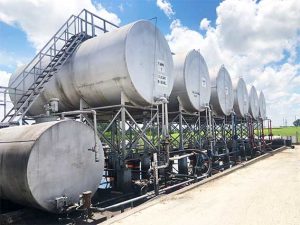
Proper storage is essential for maintaining product quality. AdBlue should generally be stored in suitable containers and equipment designed for the solution. Storage areas should be clean, secure and protected from contamination.
Temperature is another important consideration. Extreme heat and direct sunlight should be avoided where possible. Businesses should also use compatible pumps, hoses and dispensing equipment to prevent contamination.
Storage capacity should match actual consumption rather than simply being based on the largest available container size. Overstocking can create unnecessary storage challenges, while insufficient capacity may lead to supply interruptions.
Who Can Benefit From Bulk Supply?
Bulk supply can be particularly useful for businesses with larger diesel fleets and predictable AdBlue consumption. Transport operators may use it for trucks and heavy vehicles, while construction and agricultural businesses may require it for compatible machinery.
Depot-based operations can also benefit because centralised storage allows authorised staff to manage refilling from one location. This can simplify purchasing and make stock monitoring easier.
Smaller businesses may still benefit if their usage is regular and they have suitable storage facilities. However, the right supply method depends on consumption levels, available space and operational requirements.
How Can Businesses Plan Their AdBlue Requirements?
A practical starting point is to review historical consumption. Fleet managers can record vehicle numbers, operating hours, kilometres travelled and average product usage. These figures can help establish realistic purchasing intervals.
It is also useful to maintain a minimum stock level. This provides additional flexibility when vehicle usage increases or delivery schedules change.
Choosing suitable dispensing equipment and training staff in correct handling practices can further support efficient fleet operations.
Conclusion
Effective supply planning can make fleet management more organised and predictable. By assessing consumption, storage requirements and operational schedules, businesses can determine whether bulk supply is appropriate for their needs. A well-planned AdBlue Bulk Delivery strategy can help support consistent vehicle availability, simpler inventory control and smoother depot operations.